Works with
- Anger
- Stress, Anxiety
- Trauma and abuse
- Anger management
- Depression
- Compassion fatigue
How Adam works
Practical facts
- Credentials
- LMSW
- Licensed in
- Michigan
- Years in practice
- 28
- Languages
- English
- Session format
- Online, through our partner platform
About Adam
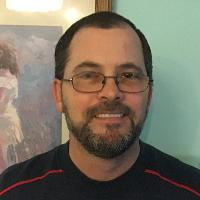
Adam Beyer is a licensed master social worker (LMSW) in Michigan with 28 years of clinical experience. He focuses on helping people who are struggling with stress, anxiety, anger, depression, addictions, and related life challenges. Adam aims to help people find clearer direction and more self-compassion as they move toward their goals.
His approach centers on the whole person and how physical and emotional health connect. He uses straightforward methods such as acceptance and commitment therapy, cognitive behavioral techniques, and client-centered work.
Background and approach
Sessions are practical and aimed at skills you can try between meetings. Adam draws on a long history of telemedicine practice, so he’s comfortable guiding conversations over phone, video, chat, or text. He frames therapy as a collaborative search for the answers a person already carries.
That makes sessions down-to-earth and goal oriented. He often helps people cope with trauma, grief, relationship strain, parenting stress, compassion fatigue, career shifts, and changes tied to health or aging. He also supports those navigating identity and intimacy questions, bipolar mood concerns, ADHD, and chronic illness issues.
People who choose Adam can expect clear explanations of techniques, gentle challenge when needed, and a focus on actionable steps. He emphasizes self-compassion and practical tools so progress carries into daily life.
What Adam works with
Everything Adam lists, in the therapist's own terms. Anger is the reason this directory exists; the rest tells you what usually sits alongside it in Adam's practice.
- Stress, Anxiety
- Trauma and abuse
- Anger management
- Depression
- Compassion fatigue
- Addictions
- LGBT
- Relationship issues
- Family conflicts
- Grief
- Intimacy-related issues
- Eating disorders
- Parenting issues
- Self esteem
- Career difficulties
- Bipolar disorder
- Coping with life changes
- Coaching
- ADHD
- Aging and geriatric issues
- Attachment issues
- Blended family issues
- Body image
- Chronic pain, illness, and disability
- Co-morbidity
- Control issues
- Dissociation
- Emptiness
- Family problems
- Fatherhood issues
- Forgiveness
- Guilt and shame
- Hospice and end-of-life counseling
- Intellectual disability
- Isolation / loneliness
- Jealousy
- Life purpose
- Men's issues
- Midlife crisis
- Veteran and Armed Forces Issues
- Mood disorders
- Multicultural concerns
- Obsessions, compulsions, and OCD
- Panic disorder and panic attacks
- Paranoia
- Personality disorders
- Phobias
- Post-traumatic stress
- Seasonal Affective Disorder (SAD)
- Self-love
- Social anxiety and phobia
- Somatization
- Workplace issues
- Young adult issues
Approaches Adam lists
- Acceptance and Commitment Therapy (ACT)
- Client-Centered Therapy
- Cognitive Behavioral Therapy (CBT)
- Emotionally-Focused Therapy (EFT)
- Existential Therapy
- Jungian Therapy
- Mindfulness Therapy
- Solution-Focused Therapy
- Trauma-Focused Therapy
Listing an approach is not evidence of training in it. This directory copies what each therapist names and does not check training records.
Therapeutic approaches and online care
Adam often uses Acceptance and Commitment Therapy and Cognitive Behavioral Therapy in his online work. Acceptance and Commitment Therapy (ACT) helps people clarify values and take small steps toward what matters, which can ease anger, stress, and avoidance. Cognitive Behavioral Therapy (CBT) focuses on identifying unhelpful thoughts and testing different behaviors to reduce anxiety, depression, and patterns that fuel anger.Finding the right approach is part of the process. He works with each person to decide which methods fit their goals and preferences. That collaboration means techniques can be adjusted over time as needs change.
Online sessions are offered by video calls, phone, live chat, or text-based messaging to make therapy more flexible. Video allows face-to-face conversation and shared exercises. Phone sessions can fit a work break or be easier when bandwidth is low. Live chat and messaging are useful for brief check-ins, managing moments of stress, or when someone prefers not to use a camera. These options aim to help therapy fit into daily life and to make it easier to try new skills between sessions.
Questions people ask about Adam
What concerns does Adam address in therapy?
He works with stress, anxiety, anger, depression, addictions, grief, relationship and intimacy issues, parenting strain, career changes, ADHD, and related concerns.
What is his general therapeutic style?
His style is collaborative and down-to-earth, focusing on practical skills and self-compassion. Sessions mix problem-solving with helping people notice what matters most to them.
How much clinical experience does he have?
Adam has 28 years of experience providing direct psychotherapy services and many years working in telemedicine.
What are his credentials and location?
He is a licensed master social worker, listed as MI LMSW, and works from Michigan.
Which languages and international clients are supported?
Sessions are offered in English, and he accepts international clients.
What session formats are available?
Appointments can be held by video calls, phone sessions, live chat, or text-based messaging.
How does cost and billing work?
Cost varies with location and therapist availability; sessions use a subscription that can be canceled at any time.
How do I begin working with him?
Click the Start Therapy button, complete a short matching questionnaire, and schedule according to therapist availability.