Search

Therapists for anger in North Carolina

567 therapists based in North Carolina list anger among the things they work with. Sessions are online; a therapist can usually only see people in the states where they hold a licence, so check each profile.

Welcome to our directory of online anger therapists serving North Carolina. All therapists listed here are licensed professionals. Explore the listings to compare approaches, credentials, languages, and experience.

1–48 of 567Page 1 of 9

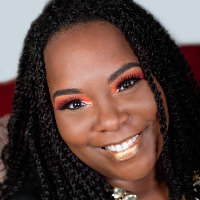
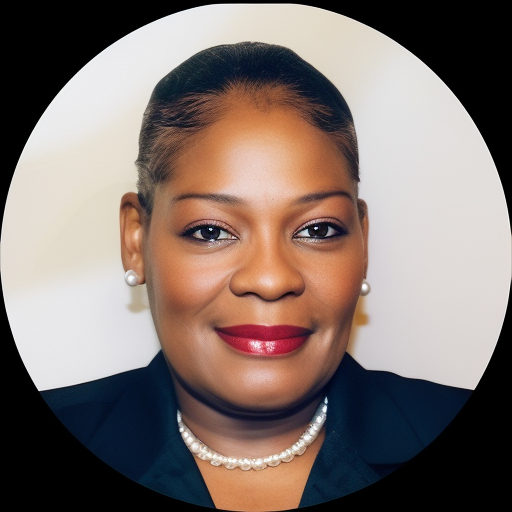
Lori Duhart

LCMHC

Compassionate counselor focused on practical change

State
North Carolina
Experience
15 years
Languages
English
Also works with
Stress, Anxiety, Relationship, Self esteem, Depression
How they work
Client-Centered Therapy, Cognitive Behavioral Therapy, Solution-Focused Therapy

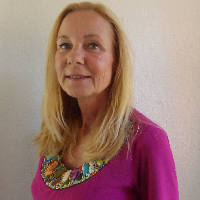
Bernetta Moore Sutton

LPC, LCMHC

Practical support for stress and anger management

State
North Carolina
Experience
7 years
Languages
English
Also works with
Stress, Anxiety, Self esteem, Trauma and abuse, Grief
How they work
Client-Centered Therapy, Cognitive Behavioral Therapy

Dr. Kendra Corning

NC Psychologist

Practical, compassionate help for strong emotions

State
North Carolina
Experience
12 years
Languages
English
Also works with
Stress, Anxiety, Trauma and abuse, Grief, Bipolar
How they work
Acceptance and Commitment Therapy, Client-Centered Therapy, Cognitive Behavioral Therapy

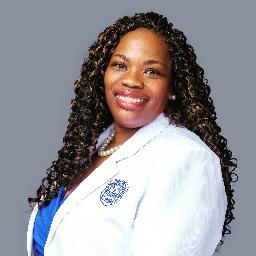
Paul Jones

LCSW

Compassionate, practical help for strong emotions

State
North Carolina
Experience
8 years
Languages
English
Also works with
Stress, Anxiety, Trauma and abuse, Parenting, Self esteem
How they work
Attachment-Based Therapy, Client-Centered Therapy, Cognitive Behavioral Therapy

Corey Hinson

LCSW

Compassionate therapist focused on practical change

State
North Carolina
Experience
12 years
Languages
English
Also works with
Relationship, Family, Career, Coping with life changes
How they work
Client-Centered Therapy, Cognitive Behavioral Therapy, Emotionally-Focused Therapy

Dr. Darryl Mccarroll

LCSW

Experienced LCSW focused on practical change

State
North Carolina
Experience
8 years
Languages
English
Also works with
Stress, Anxiety, Addictions, Family, Trauma and abuse
How they work
Client-Centered Therapy, Cognitive Behavioral Therapy, Dialectical Behavior Therapy

Robert Lindsay

LCSW

Practical therapy for direction and calm

State
North Carolina
Experience
33 years
Languages
English
Also works with
Stress, Anxiety, Relationship, Family, Self esteem
How they work
Cognitive Behavioral Therapy, Motivational Interviewing, Solution-Focused Therapy

Stephen Richardson

LCSW, LISW-CP

Compassionate, faith-informed clinical social worker

State
North Carolina
Experience
10 years
Languages
English
Also works with
Stress, Anxiety, Relationship, Family, Bipolar
How they work
Acceptance and Commitment Therapy, Client-Centered Therapy, Cognitive Behavioral Therapy

Miriam Reeves

LCSW, LISW-CP

Practical, acceptance-based support for strong emotions

State
North Carolina
Experience
13 years
Languages
English
Also works with
Stress, Anxiety, Addictions, Grief, Depression
How they work
Acceptance and Commitment Therapy, Attachment-Based Therapy, Client-Centered Therapy

Adrienne Norwood

LCSW

Practical, whole-person therapy for life changes

State
North Carolina
Experience
30 years
Languages
English
Also works with
LGBT, Relationship, Family, Trauma and abuse
How they work
Acceptance and Commitment Therapy, Attachment-Based Therapy, Client-Centered Therapy

Jacqueline Baiada

LCSW

Calm, practical support for change

State
North Carolina
Experience
30 years
Languages
English, Danish
Also works with
Relationship, Parenting, Stress, Anxiety, Family
How they work
Cognitive Behavioral Therapy, Mindfulness Therapy, Narrative Therapy

Stephen Barine

LCMHC

Calm, practical guidance for life’s emotional challenges

State
North Carolina
Experience
17 years
Languages
English
Also works with
Stress, Anxiety, Family, Parenting, ADHD
How they work
Acceptance and Commitment Therapy, Client-Centered Therapy, Cognitive Behavioral Therapy

Linda Burbank

LCSW

Compassionate, practical support for anger and stress

State
North Carolina
Experience
30 years
Languages
English
Also works with
Stress, Anxiety, Relationship, Family, Parenting
How they work
Client-Centered Therapy, Cognitive Behavioral Therapy, Solution-Focused Therapy

Jamesetter Credell

LCMHC

Calm, practical help for strong emotions

State
North Carolina
Experience
15 years
Languages
English
Also works with
Stress, Anxiety, Relationship, Depression, ADHD
How they work
Acceptance and Commitment Therapy, Attachment-Based Therapy, Cognitive Behavioral Therapy

Renee Kerns

LCMHC

Calm guidance for change and coping

State
North Carolina
Experience
14 years
Languages
English
Also works with
Stress, Anxiety, Grief, Self esteem, Depression
How they work
Client-Centered Therapy, Motivational Interviewing, Solution-Focused Therapy

Lucie Knapp

LCSW

Calm focus on feelings and behavior

State
North Carolina
Experience
21 years
Languages
English
Also works with
Stress, Anxiety, Grief, Eating, Depression
How they work
Acceptance and Commitment Therapy, Client-Centered Therapy, Cognitive Behavioral Therapy

Theresa Shultz

LCSW

Compassionate, practical support for change

State
North Carolina
Experience
16 years
Languages
English
Also works with
Stress, Anxiety, Addictions, Trauma and abuse, Depression
How they work
Acceptance and Commitment Therapy, Client-Centered Therapy, Cognitive Behavioral Therapy

Dr. Agyenim Akuamoah-Boateng

LCMHC

Experienced counselor focused on practical change

State
North Carolina
Experience
23 years
Languages
English
Also works with
Stress, Anxiety, Addictions, Trauma and abuse, Grief
How they work
Acceptance and Commitment Therapy, Attachment-Based Therapy, Client-Centered Therapy

Anne Douglas

LMFT

Experienced therapist for stress and anger

State
North Carolina
Experience
25 years
Languages
English
Also works with
Stress, Anxiety, Relationship, Family, Grief
How they work
Attachment-Based Therapy, Client-Centered Therapy, Cognitive Behavioral Therapy

Demetria Powell-Harrison

LCSW

Practical, person-focused therapy for life changes

State
North Carolina
Experience
14 years
Languages
English
Also works with
Stress, Anxiety, Relationship, Family, Grief
How they work
Client-Centered Therapy, Cognitive Behavioral Therapy, Mindfulness Therapy

Monique Goodson-Johnson

LCMHC

Experienced counselor focused on practical change

State
North Carolina
Experience
17 years
Languages
English
Also works with
Stress, Anxiety, Addictions, Relationship, Family
How they work
Client-Centered Therapy, Cognitive Behavioral Therapy, Emotionally-Focused Therapy

Amy Prokopowicz

LCMHC

Practical counseling for stress and life changes

State
North Carolina
Experience
15 years
Languages
English
Also works with
Addictions, Grief, Self esteem, Career
How they work
Client-Centered Therapy, Cognitive Behavioral Therapy, Motivational Interviewing

Dr. Shelia Williamson Collins

LPC, LCPC

Experienced counselor helping people manage strong emotions

State
North Carolina
Experience
18 years
Languages
English
Also works with
Stress, Anxiety, Addictions, Trauma and abuse, Depression
How they work
Client-Centered Therapy, Cognitive Behavioral Therapy, Dialectical Behavior Therapy

Monica Farrer

LCMHC

Practical help for strong emotions

State
North Carolina
Experience
11 years
Languages
English
Also works with
Stress, Anxiety, Addictions, Relationship, Parenting
How they work
Client-Centered Therapy, Cognitive Behavioral Therapy, Dialectical Behavior Therapy

Teresa Freeman

LCSW

Practical, compassionate care for anger and stress

State
North Carolina
Experience
13 years
Languages
English
Also works with
Stress, Anxiety, Addictions, Trauma and abuse, Depression
How they work
Acceptance and Commitment Therapy, Attachment-Based Therapy, Client-Centered Therapy

Jason Radosevich

LCSW

Practical guidance for strong emotional coping

State
North Carolina
Experience
10 years
Languages
English
Also works with
Stress, Anxiety, Family, Grief, Parenting
How they work
Acceptance and Commitment Therapy, Attachment-Based Therapy, Client-Centered Therapy

Lauren Anzelone

LCSW

Practical, strengths-based support for emotional challenges

State
North Carolina
Experience
3 years
Languages
English
Also works with
Stress, Anxiety, Self esteem, Addictions, Relationship
How they work
Client-Centered Therapy, Cognitive Behavioral Therapy, Motivational Interviewing

Dr. Denauvo Robinson

LCMHC

Experienced counselor focused on relationships and anger management

State
North Carolina
Experience
48 years
Languages
English
Also works with
Relationship, Family, Grief, Intimacy-related issues
How they work
Client-Centered Therapy, Cognitive Behavioral Therapy, Hypnotherapy

Paulette Plummer

LCSW, LISW-CP

Compassionate practical support for strong emotions

State
North Carolina
Experience
26 years
Languages
English
Also works with
Stress, Anxiety, Relationship, Family, Grief
How they work
Client-Centered Therapy, Cognitive Behavioral Therapy, Motivational Interviewing

Faith Beaulieu

LCMHC

Somatic-minded counselor for strong emotions

State
North Carolina
Experience
10 years
Languages
English
Also works with
Stress, Anxiety, LGBT, Relationship, Coping with life changes
How they work
Existential Therapy, Mindfulness Therapy, Somatic Therapy

Nettie Clarke

LPC, LCMHC

Calm guidance for stress and anger management

State
North Carolina
Experience
12 years
Languages
English
Also works with
Stress, Anxiety, Trauma and abuse, Depression, Coaching
How they work
Client-Centered Therapy, Cognitive Behavioral Therapy, Mindfulness Therapy

Margaret Hormenoo

LCMHC

Compassionate counselor for stress and anger

State
North Carolina
Experience
17 years
Languages
English, Akan, Ewe
Also works with
Stress, Anxiety, Relationship, Grief, Depression
How they work
Acceptance and Commitment Therapy, Attachment-Based Therapy, Client-Centered Therapy

James Dion

LCMHC

Helping people manage strong emotions and life change

State
North Carolina
Experience
5 years
Languages
English
Also works with
Stress, Anxiety, Family, Trauma and abuse, Depression
How they work
Attachment-Based Therapy, Client-Centered Therapy, Cognitive Behavioral Therapy

Regina Hughes

LCMHC

Practical, steady support for stress and anger

State
North Carolina
Experience
14 years
Languages
English
Also works with
Stress, Anxiety, Relationship, Family, Self esteem
How they work
Cognitive Behavioral Therapy

Rochester Damon

LPC, LCMHC

Calm, practical help for strong emotions

State
North Carolina
Experience
7 years
Languages
English
Also works with
Stress, Anxiety, Trauma and abuse, Parenting, Depression
How they work
Cognitive Behavioral Therapy, Dialectical Behavior Therapy, Mindfulness Therapy

Stephen Carr

LCMHC

Calm, experienced counselor for life transitions

State
North Carolina
Experience
40 years
Languages
English
Also works with
Trauma and abuse, Career, Depression, Coping with life changes
How they work
Client-Centered Therapy, Cognitive Behavioral Therapy, Existential Therapy

Shawn Hudson

LCMHC

Practical, direct counseling for real-world struggles

State
North Carolina
Experience
11 years
Languages
English
Also works with
Stress, Anxiety, Addictions, Trauma and abuse, Depression

George Tilley

LCSW

Experienced LCSW helping people manage anger and stress

State
North Carolina
Experience
36 years
Languages
English
Also works with
Stress, Anxiety, Relationship, Grief, Depression
How they work
Acceptance and Commitment Therapy, Attachment-Based Therapy, Client-Centered Therapy

Donna Cummings

LPC, LCMHC

Compassionate counselor focused on practical change

State
North Carolina
Experience
20 years
Languages
English
Also works with
Stress, Anxiety, Parenting, Self esteem, Depression
How they work
Acceptance and Commitment Therapy, Client-Centered Therapy, Cognitive Behavioral Therapy

Amy Penley

LMFT

Practical therapy for stress and anger

State
North Carolina
Experience
10 years
Languages
English
Also works with
Stress, Anxiety, Relationship, Trauma and abuse, Self esteem
How they work
Attachment-Based Therapy, Client-Centered Therapy, Cognitive Behavioral Therapy

Bruno Soares

LCMHC

Helping people carry less and live clearer

State
North Carolina
Experience
15 years
Languages
English
Also works with
Relationship, Family, Intimacy-related issues, Depression

Todd Glickman

LCSW

Renewed control through practical skill building

State
North Carolina
Experience
21 years
Languages
English
Also works with
Stress, Anxiety, Addictions, Self esteem, Depression

Some links on this page are partner links. We will earn a commission if you sign up through one, at no cost to you. It does not change what you pay or the order of the listings.

Overview of Online Therapy Availability in North Carolina

If you are considering online therapy in North Carolina, you will find that virtual counseling has become a regular part of how mental health care is offered across the state. Regulators, clinics, and independent practitioners have adapted to telehealth technology so that therapy can be delivered by video or phone to people who live in cities, suburbs, and more rural areas alike. This change has expanded the geographic reach of many clinicians and made it easier for you to connect with someone whose focus and approach match your needs, without requiring a long commute.

Because licensing matters for teletherapy, practitioners who provide online sessions to people in North Carolina must hold the appropriate North Carolina license for their profession. That means licensed counselors, social workers, psychologists, and marriage and family therapists who list online work among their practice modes are the ones you will see in this directory. It is useful to understand that rules and expectations for teletherapy can evolve, so staying informed about state guidance and the professional regulations that apply to your chosen clinician is a practical step as you search.

Benefits of Online Therapy for North Carolina Residents

Online therapy offers several concrete advantages that may be especially relevant in North Carolina, where both urban centers and rural communities exist within the same state. You can meet with a clinician from your own home, a vehicle between jobs, or another quiet place that works for you, reducing the time and cost associated with travel. If transportation options are limited in your area, virtual sessions can remove a major barrier to care. You may also find more choices in approaches or languages when you are not limited to therapists within a narrow commuting radius.

For many people, the convenience of online therapy helps them stay consistent with appointments. Virtual sessions also make it easier to coordinate care with other providers, since digital notes and summaries can be shared with your permission. Online therapy can feel more comfortable for some people who prefer the distance of video or phone conversations while still engaging in meaningful therapeutic work. You should evaluate whether the format fits your communication style and the kind of therapeutic relationship you want to build.

Issues Online Therapists in North Carolina Commonly Help With

Therapists practicing online in North Carolina work with a wide range of concerns, and you can look for clinicians who focus on the issues that matter most to you. Anger is often connected to relationships, stress, trauma, or mental health conditions such as anxiety and depression. Many therapists list approaches that can be helpful for managing intense emotions, improving communication, and addressing underlying patterns that contribute to anger. If you are coping with work-related stress, family conflict, grief, or life transitions, online therapy can provide a structured space to explore these challenges.

In addition to anger-related concerns, online clinicians commonly support people with anxiety, mood regulation, trauma recovery, and the demands of parenting or caregiving. Some therapists highlight particular modalities among their approaches, such as cognitive-behavioral strategies, mindfulness-based work, dialectical behavior elements, psychodynamic perspectives, or trauma-informed methods; in this directory those are listed as approaches that therapists report using. As you read profiles, pay attention to the therapist descriptions that speak to the kinds of feelings, behaviors, and life situations they focus on so you can find a match with your goals.

How to Verify a Therapist's License in North Carolina

Verifying a clinician's license is an important step you can take to confirm that someone is authorized to provide professional services in North Carolina. You should look up the relevant state licensing board for the professional title you are considering - for example, counselors, social workers, psychologists, and marriage and family therapists each fall under specific boards. These boards maintain public license lookup tools where you can search by a practitioner’s name or license number to confirm their license status and see the date of issuance and any public disciplinary history.

When you review a profile, note the exact professional credential listed and use the board’s search feature to confirm it. If a therapist practices under a professional title that is regulated in North Carolina, the state board records are the primary source for verification. You can also contact the licensing board directly if you have questions about what you find. Keeping a copy of the license details or noting the confirmation date can be helpful if you later need to reference that information.

How to Get Started with an Online Therapist and Tips for Choosing the Right One

Beginning the Search

Starting with a clear sense of what you want from therapy will make your search more focused. Think about the main issues you want to address, the kinds of approaches you find appealing, and any practical needs such as preferred language or clinician background. Use the directory to filter and read profiles for therapists who list anger as a focus and who describe approaches or experience that align with your goals. Pay attention to written descriptions that outline how a therapist works and what they emphasize in sessions.

Assessing Fit and Communication Style

Once you have identified potential clinicians, consider how you like to communicate. Some therapists describe a structured, skills-based approach while others emphasize exploration and insight. Your comfort with a therapist’s communication style often matters more than the specific modality. Look for descriptions that address how the clinician engages with clients, their general orientation toward problem-solving or emotional exploration, and any mention of working with clients at stages of life similar to yours. Languages spoken and cultural considerations are also relevant when assessing fit.

Practical Considerations

Before you start sessions, think about logistics that affect your experience. Ask how the clinician conducts online sessions and whether they use video or phone, what to expect during an initial appointment, and how they approach goals and progress. If cost, insurance, or sliding scale options are factors for you, inquire about those details in an initial conversation. Keep in mind that while profiles offer a snapshot, the initial contact with a therapist is often the best way to determine whether their approach and communication style match what you need.

Trusting Your Judgment

Choosing a therapist is a personal decision, and it is normal to speak with more than one clinician before deciding who to work with. You should feel heard and respected when you describe your concerns. If something about the interaction does not feel right for you, it is reasonable to continue your search until you find a clinician whose approach and demeanor fit your needs. Over time, you will develop a clearer sense of what works for you in an online therapeutic relationship.

Final Thoughts

Online therapy in North Carolina offers practical ways to access clinicians who work with anger and related concerns. By understanding how teletherapy is regulated in the state, confirming licensure through the appropriate boards, and taking time to match your needs with a therapist’s approach and communication style, you can make informed choices about where to begin. Use profile details to compare credentials, languages, approaches, and experience, and reach out with questions that help you evaluate fit. With careful selection, online therapy can become a consistent resource as you work toward clearer communication, healthier emotional regulation, and the personal goals you set for your life.

Related pages

Often alongside anger

Other states

Get started online