Works with
- Anger
- Stress, Anxiety
- Addictions
- Relationship issues
- Anger management
- Depression
How Alan works
Practical facts
- Credentials
- LCMHC
- Licensed in
- Utah
- Years in practice
- 35
- Languages
- English
- Session format
- Online, through our partner platform
About Alan
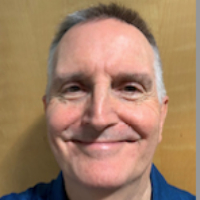
Alan Cochrane is a Licensed Clinical Mental Health Counselor (LCMHC) based in Utah with 35 years of experience. He draws on a long career helping people navigate stress, anxiety, addiction, anger, depression, and other hard moments. His style is warm and direct, with room for humor alongside serious work.
He describes himself as a guide who walks alongside people as they look inward. Sessions focus on helping clients notice patterns, make practical changes, and build self-compassion.
Background and approach
He emphasizes courage, strength, and creative expression as parts of healing. Alan blends client-centered listening with evidence-informed tools to help people manage emotions and behaviors. He uses techniques from cognitive behavioral therapy and mindfulness to address thoughts and reactions.
He also incorporates hypnotherapy and Jungian ideas when those approaches fit a person's goals. People come for help with relationship struggles, parenting strain, grief, trauma and abuse, or work and career concerns. He also supports those dealing with ADHD symptoms, bipolar mood challenges, substance problems, and problems with control or impulsivity.
He pays attention to family of origin issues, attachment and abandonment wounds, and patterns like codependency. Sessions emphasize practical steps and greater self-awareness. Alan invites people to try new ways of responding to anger, impulses, or old hurts.
The work is collaborative and paced to each person's readiness. If someone wants guidance that mixes compassionate listening with concrete strategies, his approach aims to be both grounded and hopeful.
What Alan works with
Everything Alan lists, in the therapist's own terms. Anger is the reason this directory exists; the rest tells you what usually sits alongside it in Alan's practice.
- Stress, Anxiety
- Addictions
- Relationship issues
- Anger management
- Depression
- LGBT
- Family conflicts
- Trauma and abuse
- Grief
- Intimacy-related issues
- Parenting issues
- Self esteem
- Career difficulties
- Bipolar disorder
- Coping with life changes
- Compassion fatigue
- ADHD
- Abandonment
- Attachment issues
- Codependency
- Commitment issues
- Communication problems
- Control issues
- Dependent personality
- Divorce and separation
- Drug and alcohol addiction
- Emptiness
- Family of origin issues
- Family problems
- Forgiveness
- Guilt and shame
- Impulsivity
- Infidelity
- Isolation / loneliness
- Jealousy
- Life purpose
- Men's issues
- Midlife crisis
- Mood disorders
- Multicultural concerns
- Narcissism
- Personality disorders
- Phobias
- Prejudice and discrimination
- Process addiction (porn, exercise, gambling)
- Self-harm
- Self-love
- Sex addiction
- Sexual assault and abuse
- Sexuality
- Social anxiety and phobia
- Workplace issues
- Young adult issues
Approaches Alan lists
- Client-Centered Therapy
- Cognitive Behavioral Therapy (CBT)
- Hypnotherapy
- Jungian Therapy
- Mindfulness Therapy
- Motivational Interviewing
- Psychodynamic Therapy
- Internal Family Systems
Listing an approach is not evidence of training in it. This directory copies what each therapist names and does not check training records.
How Alan’s Methods Translate to Online Therapy
Alan uses client-centered therapy to create a listening space where the person’s goals lead the work. This approach centers on empathy, respect, and following what the client brings, which can help with issues like grief, self-esteem, and relationship concerns. He also uses cognitive behavioral therapy to identify unhelpful thoughts and try practical experiments that change reactions and behavior; CBT is useful for anxiety, anger, and mood shifts.Finding the right approach is part of the process. He will work collaboratively to decide which methods fit a person’s needs and preferences, and adjust over time based on what helps most. Clients are invited to set goals and test different techniques in session and between appointments.
Online sessions are offered by video calls, phone sessions, live chat, or text-based messaging. Video supports face-to-face interaction and guided exercises, phone can be easier when bandwidth is limited, and messaging or live chat can fit quick check-ins or busy schedules. These options make it easier to keep therapy consistent while balancing work, travel, or other commitments.
Questions people ask about Alan
What concerns does Alan commonly address?
He works with stress, anxiety, anger, depression, addictions, grief, trauma and related issues such as communication problems and codependency.
What is his therapeutic style like?
His approach is warm and direct, combining active listening with practical tools. Humor is used alongside focused work to help people move forward.
How much experience does he have?
He brings 35 years of experience in counseling and related settings, drawing on long-term clinical practice to support clients.
What credential does he hold and where is he located?
He is a Licensed Clinical Mental Health Counselor, LCMHC, licensed in Utah and practices from that state.
Which languages are offered for sessions?
Sessions are offered in English.
What session formats are available?
Sessions can be scheduled as video calls, phone sessions, live chat, or text-based messaging to fit different needs.
How is cost handled?
Cost varies with location and therapist availability and sessions use a subscription model that can be canceled at any time.
How do I begin working with him?
Start by selecting the Start Therapy button, complete a short matching questionnaire, and then schedule sessions according to therapist availability.