Works with
How Amanda works
Practical facts
- Credentials
- LPC
- Licensed in
- Colorado
- Years in practice
- 7
- Languages
- English
- Session format
- Online, through our partner platform
About Amanda
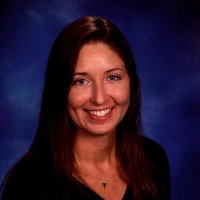
Amanda Crossland is a licensed professional counselor (LPC) in Colorado who helps people manage stress, anger, anxiety, and other mood concerns. She speaks plain language and offers calm, steady support for people trying to make changes in day-to-day life. Amanda aims to create a welcoming space where clients can talk through what feels overwhelming and start taking practical steps forward.
Her style blends listening with focused strategies. She uses approaches like client-centered work, cognitive behavioral techniques, and dialectical behavior strategies to help people notice patterns and try new responses.
Background and approach
Sessions often include skill practice, goal setting, and gentle reflection rather than lengthy theory discussions. Amanda has seven years of experience as a counselor and holds a Master of Arts degree in Clinical Mental Health Counseling from Grace University in Omaha, Nebraska. She is a Colorado LPC.
Her background includes work that integrates a person’s values and life story into therapy. In practice she pays attention to both the big picture and small details. That means she helps people connect present struggles to past patterns while building concrete skills for daily life.
She can support people dealing with addictions, grief, relationship and intimacy-related issues, self-esteem concerns, and life transitions. Sessions are offered in English and are available by video, phone, live chat, or text-based messaging. Amanda describes herself as a creative thinker who works collaboratively to identify manageable steps toward change.
What Amanda works with
Everything Amanda lists, in the therapist's own terms. Anger is the reason this directory exists; the rest tells you what usually sits alongside it in Amanda's practice.
- Stress, Anxiety
- Addictions
- Trauma and abuse
- Grief
- Depression
- Relationship issues
- Intimacy-related issues
- Anger management
- Self esteem
- Career difficulties
- Bipolar disorder
- Coping with life changes
- ADHD
- Abandonment
- Codependency
- Communication problems
- Control issues
- Dissociation
- Divorce and separation
- Drug and alcohol addiction
- Emptiness
- Family of origin issues
- Forgiveness
- Guilt and shame
- Isolation / loneliness
- Life purpose
- Money and financial issues
- Mood disorders
- Panic disorder and panic attacks
- Post-traumatic stress
- Self-love
- Sexual assault and abuse
- Smoking / vaping cessation
- Social anxiety and phobia
- Somatization
- Women's issues
- Workplace issues
Approaches Amanda lists
- Client-Centered Therapy
- Cognitive Behavioral Therapy (CBT)
- Dialectical Behavior Therapy (DBT)
- Eye Movement Desensitization and Reprocessing (EMDR)
- Motivational Interviewing
- Narrative Therapy
- Solution-Focused Therapy
- Trauma-Focused Therapy
Listing an approach is not evidence of training in it. This directory copies what each therapist names and does not check training records.
How therapeutic approaches translate to online care
Amanda uses client-centered work to start sessions by listening to what matters most to the person in front of her and shaping the conversation around those priorities. This approach helps clients feel heard and keeps goals practical and relevant.She also draws on cognitive behavioral therapy, which focuses on identifying unhelpful thoughts and testing new behaviors. CBT is useful for stress, anxiety, anger, and mood challenges because it breaks problems into manageable steps and offers concrete exercises to practice between sessions.
Dialectical behavior therapy techniques are used when emotion regulation and distress tolerance are needed. These skills help people manage intense feelings, reduce impulsive reactions, and improve everyday functioning.
Finding the right mix of approaches is a collaborative process. Amanda works with each person to choose methods that fit their goals, values, and pace. Together they try ideas, see what helps, and adjust the plan as needed.
Online sessions are offered by video calls, phone, live chat, or text-based messaging to make therapy flexible. Video is useful for deeper conversation and visual cues. Phone works well when bandwidth is limited or when someone prefers not to be on camera. Live chat and text messaging allow shorter check-ins and ongoing support between meetings. These options help people fit counseling into work, family, and daily life.
Questions people ask about Amanda
What concerns does she help with?
She supports people with stress, anxiety, anger, depression, addictions, grief, relationship and intimacy-related issues, and mood concerns such as bipolar disorder.
What is her therapeutic style like?
Her approach is warm and practical. She listens, offers calm presence, and blends client-centered work with skill-based techniques to make therapy actionable.
How much experience does she have?
She has seven years of counseling experience and a Master of Arts degree in Clinical Mental Health Counseling from Grace University.
What credentials and location apply?
She is a licensed professional counselor (LPC) in Colorado and provides services based in that state.
Which languages are supported?
Sessions are offered in English.
What session formats are available?
Therapy is offered by video calls, phone sessions, live chat, and text-based messaging to fit different needs and schedules.
How does pricing work?
Cost varies with location and therapist availability; sessions use a subscription that can be canceled at any time.
How do I begin working with her?
Select the Start Therapy button, complete a short matching questionnaire, and then schedule sessions according to the therapist's availability.