Works with
- Anger
- LGBT
- Family conflicts
- Trauma and abuse
- Depression
How Amy works
Practical facts
- Credentials
- LPC
- Licensed in
- Colorado
- Years in practice
- 16
- Languages
- English
- Session format
- Online, through our partner platform
About Amy
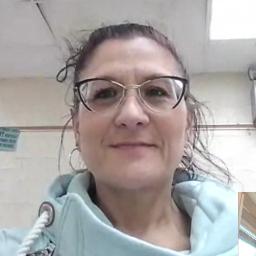
Amy Montoya is a Licensed Professional Counselor with 16 years of clinical experience practicing in Colorado. She has a long background in social services, including leadership work in a nursing home setting, and brings that practical experience to therapy. Amy focuses on helping people navigate anger, trauma, depression, anxiety, and relationship struggles with respect and compassion.
Her approach is direct and adaptable. She frames therapy as a conversation tailored to each person’s needs.
Background and approach
Sessions focus on clear goals, skills people can use between meetings, and steady progress rather than quick fixes. Amy uses a mix of methods depending on the issue. She often draws on client-centered work to create a supportive space, Cognitive Behavioral Therapy to change unhelpful thinking and behavior patterns, and Dialectical Behavior Therapy skills for emotion regulation.
She may also incorporate Emotionally-Focused Therapy for relational concerns and EMDR for trauma when appropriate. People who reach out can expect practical tools for managing anger and stress. Amy also addresses grief, parenting challenges, addiction concerns, self-esteem, and life transitions.
Her background working with older adults and caregivers informs her sensitivity to chronic illness and caregiving stress. Therapy sessions are arranged to fit each person’s life and goals. Amy encourages a collaborative process where the client’s preferences shape the plan.
She aims to empower clients to make changes that feel realistic and sustainable.
What Amy works with
Everything Amy lists, in the therapist's own terms. Anger is the reason this directory exists; the rest tells you what usually sits alongside it in Amy's practice.
- LGBT
- Family conflicts
- Trauma and abuse
- Depression
- Stress, Anxiety
- Addictions
- Relationship issues
- Grief
- Intimacy-related issues
- Eating disorders
- Parenting issues
- Anger management
- Self esteem
- Bipolar disorder
- Coping with life changes
- Coaching
- Compassion fatigue
- ADHD
- Abandonment
- Adoption and foster care
- Aging and geriatric issues
- Antisocial personality
- Attachment issues
- Avoidant personality
- Blended family issues
- Body image
- Caregiver issues and stress
- Chronic pain, illness, and disability
- Codependency
- Dependent personality
- Dissociation
- Divorce and separation
- Domestic violence
- Family problems
- Fatherhood issues
- Forgiveness
- Gender dysphoria
- Guilt and shame
- Isolation / loneliness
- Men's issues
- Midlife crisis
- Mood disorders
- Narcissism
- Polyamory / non-monogamous relationships
- Post-traumatic stress
- Seasonal Affective Disorder (SAD)
- Self-harm
- Self-love
- Sexuality
- Social anxiety and phobia
- Visually impaired
- Women's issues
- Workplace issues
- Young adult issues
Approaches Amy lists
- Client-Centered Therapy
- Cognitive Behavioral Therapy (CBT)
- Dialectical Behavior Therapy (DBT)
- Emotionally-Focused Therapy (EFT)
- Eye Movement Desensitization and Reprocessing (EMDR)
- Mindfulness Therapy
- Motivational Interviewing
- Narrative Therapy
- Solution-Focused Therapy
- Trauma-Focused Therapy
Listing an approach is not evidence of training in it. This directory copies what each therapist names and does not check training records.
How therapeutic approaches translate to online care
Amy commonly uses Client-Centered Therapy and Cognitive Behavioral Therapy in sessions. Client-Centered Therapy focuses on listening, empathy, and meeting each person where they are to build trust and clarity. Cognitive Behavioral Therapy looks at how thoughts, feelings, and behaviors connect and teaches practical skills to shift unhelpful patterns.She also uses Dialectical Behavior Therapy skills for emotion regulation and distress tolerance. DBT techniques help people manage intense feelings, reduce impulsive reactions like anger outbursts, and build better coping routines. Together these approaches are chosen to match a persons goals and the challenges they bring to sessions.
Figuring out the right approach is part of the work. Amy collaborates with each person to identify goals, try different strategies, and adjust the plan as needed. That process helps make sure the methods fit the persons needs and preferences rather than imposing a fixed plan.
Online therapy gives practical flexibility. Video calls allow face-to-face conversation when more nuance is helpful. Phone sessions work well when bandwidth or camera use is an issue. Live chat and text-based messaging fit quick check-ins, skill practice, or shorter touchpoints between longer sessions. These options make it easier to fit therapy into busy lives and maintain steady progress.
Questions people ask about Amy
What concerns does she commonly address?
Amy works with a wide range of issues including anger, trauma and abuse, depression, anxiety, grief, relationship and intimacy-related problems, addictions, parenting stress, ADHD, and self-esteem.
What is her general therapy style?
She combines a warm, client-centered approach with goal-focused techniques. Sessions typically include practical skill building and collaborative planning.
How much experience does she have?
She has 16 years of experience in behavioral health and previously spent a decade working as a social services director in a nursing home setting.
What are her credentials and where does she practice?
She is a Licensed Professional Counselor (LPC) licensed in Colorado and provides services to people located in that state.
Which languages are supported for sessions?
Sessions are offered in English only.
What session formats are available?
She offers video calls, phone sessions, live chat, and text-based messaging to accommodate different schedules and needs.
How does payment and cost work?
Cost varies with location and therapist availability; sessions use a subscription model that can be canceled at any time.
How do I begin working with her?
Start by selecting the Start Therapy button, complete the short matching questionnaire, and then schedule sessions according to the therapists availability.