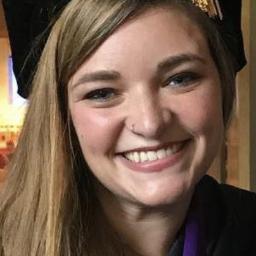
Dr. Annie Johansson, LMFT
Calm, practical therapy for everyday challenges
Explore online therapy optionsWorks with
- Anger
- Stress, Anxiety
- Addictions
- Family conflicts
- Trauma and abuse
- Depression
How Annie works
Practical facts
- Credentials
- LMFT
- Licensed in
- Minnesota, Wisconsin
- Years in practice
- 14
- Languages
- English
- Session format
- Online, through our partner platform
About Annie
Dr. Annie Johansson is a licensed marriage and family therapist with 14 years of clinical experience. She practices in Minnesota and helps people facing stress, anxiety, addiction, grief, relationship strain, and anger.
Her approach is practical and grounded, aimed at helping people make clear changes in daily life. Before moving into outpatient care she worked in residential addiction treatment and supported people recovering from physical trauma and emotional abuse. That background shaped the way she structures sessions - focused, steady, and results oriented.
Background and approach
She uses methods that address both current behavior and the stories people tell about themselves. In sessions she combines cognitive behavioral ideas with attachment-based work and trauma-focused techniques. She helps clients notice patterns, try new responses, and process painful memories when needed.
Conversations are direct but respectful, and homework or small experiments between sessions are common. She also draws on motivational interviewing to help people find reasons to keep going when change feels hard. Narrative therapy tools are used to rewrite unhelpful self-stories and build a clearer sense of purpose.
Those options are blended to fit a person’s goals rather than applied the same way to everyone. Dr. Johansson offers video calls, phone sessions, live chat, and text-based messaging to make therapy fit into busy schedules.
People interested in starting can complete a short matching questionnaire and schedule sessions based on therapist availability.
What Annie works with
Everything Annie lists, in the therapist's own terms. Anger is the reason this directory exists; the rest tells you what usually sits alongside it in Annie's practice.
- Stress, Anxiety
- Addictions
- Family conflicts
- Trauma and abuse
- Depression
- Relationship issues
- Grief
- Parenting issues
- Anger management
- Self esteem
- Bipolar disorder
- Coping with life changes
- ADHD
- Abandonment
- Adoption and foster care
- Attachment issues
- Body image
- Disruptive Mood Dysregulation Disorder (DMDD)
- Dissociation
- Domestic violence
- Drug and alcohol addiction
- Emptiness
- Family of origin issues
- Family problems
- Guilt and shame
- Impulsivity
- Isolation / loneliness
- Life purpose
- Mood disorders
- Panic disorder and panic attacks
- Personality disorders
- Post-traumatic stress
- Process addiction (porn, exercise, gambling)
- Seasonal Affective Disorder (SAD)
- Self-harm
- Social anxiety and phobia
- Women's issues
- Young adult issues
Approaches Annie lists
- Attachment-Based Therapy
- Cognitive Behavioral Therapy (CBT)
- Eye Movement Desensitization and Reprocessing (EMDR)
- Motivational Interviewing
- Narrative Therapy
- Trauma-Focused Therapy
Listing an approach is not evidence of training in it. This directory copies what each therapist names and does not check training records.
How therapy approaches translate online
Attachment-Based Therapy focuses on how early relationships shape current connection patterns. Online sessions can help people notice those patterns and practice new ways of relating in everyday life. Cognitive Behavioral Therapy, or CBT, looks at the link between thoughts, feelings, and actions and teaches clear skills to change unhelpful habits; it often includes small between-session exercises to try in real situations. Eye Movement Desensitization and Reprocessing, EMDR, is a trauma-focused method that helps process disturbing memories; elements of this work can be guided through video sessions when appropriate.Finding the right approach is part of the work together. Dr. Johansson will discuss goals, preferences, and the issues you bring, then suggest a mix of methods that fit. That plan can change over time as progress and needs evolve, and decision-making is collaborative throughout.
Online formats include video calls, phone sessions, live chat, and text-based messaging. Video is helpful when visual cues matter and for deeper processing work. Phone can be easier when bandwidth is limited or a quick check-in is needed. Live chat and messaging let people check in between sessions or keep momentum with brief notes and reflections. These options aim to make therapy more flexible and easier to fit into a busy life.
Questions people ask about Annie
What concerns does she commonly address?
She works with stress, anxiety, depression, addiction, relationship issues, grief, parenting strain, anger, ADHD, and related concerns.
What is her general therapy style?
Her style is warm and straightforward. Sessions are respectful, often direct, and include practical exercises or homework.
How much clinical experience does she have?
Dr. Johansson has 14 years of experience, including work in residential addiction treatment and outpatient therapy.
What are her credentials and where is she based?
She is a licensed marriage and family therapist - LMFT - with licensure in Minnesota and Wisconsin. She is based in Minnesota.
Which languages are supported for sessions?
Sessions are offered in English.
Can people outside the United States work with her?
International clients are not currently accepted; sessions are offered to people within relevant jurisdictions only.
What session formats does she use?
She offers video calls, phone sessions, live chat, and text-based messaging to fit differing schedules and needs.
How does payment and getting started work?
Cost varies by location and therapist availability and uses a subscription that can be canceled at any time. To start, select the Start Therapy button, complete a short matching questionnaire, and schedule according to availability.