Works with
- Anger
- Stress, Anxiety
- Anger management
- Self esteem
- Depression
- Coping with life changes
How Avery works
Practical facts
- Credentials
- LCSW
- Licensed in
- Utah
- Years in practice
- 5
- Languages
- English
- Session format
- Online, through our partner platform
About Avery
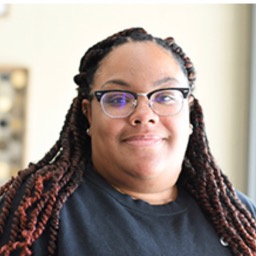
Avery Alexander is a Licensed Clinical Social Worker (LCSW) based in Utah with five years of practice experience. She began her path volunteering with community organizations and mentoring in community centers, and that community focus still shapes how she works today. Avery keeps sessions straightforward and practical.
She listens first, then helps people break down problems into small, manageable steps. Common concerns she addresses include stress, anxiety, anger, depression, sleep trouble, and coping with life changes.
Background and approach
She uses tools drawn from client-centered therapy, cognitive behavioral therapy, dialectical behavior therapy, mindfulness, and motivational interviewing. In sessions she helps people notice reactive patterns, practice new skills, and try simple changes between meetings. The goal is better daily coping and clearer choices, not quick fixes.
Avery has experience supporting people with addictions, ADHD, bipolar and mood disorders, grief, trauma and abuse, and identity-related concerns for LGBT clients. She also works with issues such as body image, codependency, communication problems, and smoking or vaping cessation. People who reach out can expect a warm, down-to-earth approach and a focus on practical strategies.
She aims to help each person build tools that fit their life and values, and to create a steady space for change.
What Avery works with
Everything Avery lists, in the therapist's own terms. Anger is the reason this directory exists; the rest tells you what usually sits alongside it in Avery's practice.
- Stress, Anxiety
- Anger management
- Self esteem
- Depression
- Coping with life changes
- Addictions
- LGBT
- Family conflicts
- Trauma and abuse
- Grief
- Sleeping disorders
- Career difficulties
- Bipolar disorder
- Compassion fatigue
- ADHD
- Abandonment
- Adoption and foster care
- Attachment issues
- Blended family issues
- Body image
- Codependency
- Communication problems
- Disruptive Mood Dysregulation Disorder (DMDD)
- Drug and alcohol addiction
- Isolation / loneliness
- Mood disorders
- Personality disorders
- Self-love
- Smoking / vaping cessation
- Trichotillomania
- Young adult issues
Approaches Avery lists
- Client-Centered Therapy
- Cognitive Behavioral Therapy (CBT)
- Dialectical Behavior Therapy (DBT)
- Mindfulness Therapy
- Motivational Interviewing
- Narrative Therapy
- Solution-Focused Therapy
- Trauma-Focused Therapy
- Internal Family Systems
Listing an approach is not evidence of training in it. This directory copies what each therapist names and does not check training records.
Approaches for online work and practical skills
Avery often draws from cognitive behavioral therapy and dialectical behavior therapy in online sessions. Cognitive behavioral therapy focuses on identifying unhelpful thoughts and testing small behavior changes to reduce anxiety, low mood, or anger. Dialectical behavior therapy teaches emotion regulation, distress tolerance, and skills for reducing reactivity in heated moments.She also uses a client-centered stance that emphasizes listening and tailoring plans to each person's needs. Finding the right mix of methods is a collaborative process - the therapist will work with the person to decide which approaches match their goals, comfort level, and day-to-day life.
Online formats include video calls, phone sessions, live chat, and text-based messaging. Video sessions are good for deeper conversation and skill coaching. Phone sessions work well when bandwidth is limited or a simpler check-in is needed. Live chat and text can provide brief check-ins, skill reminders, or shorter coaching between longer sessions. These options make it easier to fit care into busy schedules and to continue progress even when in-person visits are difficult.
Questions people ask about Avery
What concerns does Avery commonly address?
Avery works with stress, anxiety, anger, depression, sleep problems, addiction, ADHD, grief, trauma, and related mood or behavior concerns. She also helps with body image, communication issues, and substance use.
How would you describe Avery's therapeutic style?
She combines a client-centered, down-to-earth manner with practical tools. Sessions focus on listening, skills practice, and small changes that can be tried between meetings.
What background does Avery bring to therapy?
She has five years of experience and a history of volunteer and outreach work in community settings. That background informs a community-minded and practical approach.
What are Avery's credentials and where is she based?
She is a Licensed Clinical Social Worker, listed as UT LCSW, and she practices from Utah.
Which languages are sessions offered in?
Sessions are offered in English.
Can people outside the country meet with Avery?
She does not take international clients at this time.
What session formats are available?
Therapy is offered via video calls, phone sessions, live chat, and text-based messaging to suit different schedules and needs.
How does the cost and start process work?
Cost varies with location and the subscription model used; subscriptions can be canceled at any time. To begin, select the Start Therapy button, complete a short matching questionnaire, and schedule according to therapist availability.