Works with
- Anger
- Stress, Anxiety
- Relationship issues
- Family conflicts
- Trauma and abuse
- Depression
How Barbara works
Practical facts
- Credentials
- LCSW, CSW
- Licensed in
- Colorado
- Years in practice
- 5
- Languages
- English
- Session format
- Online, through our partner platform
About Barbara
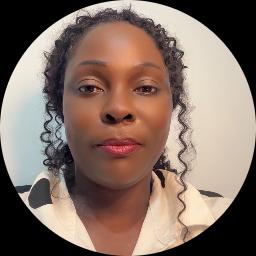
Barbara Mutagamba is a Licensed Clinical Social Worker who helps people manage stress, anger, anxiety, and relationship problems. She offers a calm, nonjudgmental space for someone who feels overwhelmed, hurt by betrayal, or unsure how to move forward. Barbara listens closely and works with each person to find practical ways to feel steadier and more connected.
Barbara believes many struggles come from disrupted connections and old patterns that no longer serve.
Background and approach
She helps people unpack how those patterns began and then put their stories back together in healthier ways. Sessions focus on learning tools to cope with strong emotions and to improve communication with important people. Her approach combines acceptance and choice with skill-building.
That can mean learning ways to respond to anger, practicing new communication habits, or building emotional awareness. She tailors each plan to the person in front of her rather than using the same steps for everyone. Barbara has five years of clinical experience and holds the credentials LCSW, CSW.
She works with concerns that include trauma, depression, addictions, parenting stress, grief, LGBTQ issues, and self-esteem, among others. She also supports people dealing with adoption and foster care matters, attachment concerns, and blended family challenges. Sessions are offered in English and Barbara accepts international clients.
Therapy can include short-term coping strategies and longer work on deeper relationship wounds. The goal is not to return to an old version of yourself but to integrate lessons and build stronger connections going forward.
What Barbara works with
Everything Barbara lists, in the therapist's own terms. Anger is the reason this directory exists; the rest tells you what usually sits alongside it in Barbara's practice.
- Stress, Anxiety
- Relationship issues
- Family conflicts
- Trauma and abuse
- Depression
- Addictions
- LGBT
- Grief
- Intimacy-related issues
- Parenting issues
- Anger management
- Self esteem
- Career difficulties
- Coping with life changes
- Abandonment
- Adoption and foster care
- Attachment issues
- Blended family issues
- Body image
- Codependency
- Commitment issues
- Communication problems
- Divorce and separation
- Family of origin issues
- Family problems
- Forgiveness
- Immigration issues
- Infidelity
- Isolation / loneliness
- Multicultural concerns
- Panic disorder and panic attacks
- Women's issues
- Workplace issues
- Young adult issues
Approaches Barbara lists
- Acceptance and Commitment Therapy (ACT)
- Attachment-Based Therapy
- Client-Centered Therapy
- Cognitive Behavioral Therapy (CBT)
- Dialectical Behavior Therapy (DBT)
- Emotionally-Focused Therapy (EFT)
- Gottman Method
- Mindfulness Therapy
- Motivational Interviewing
- Narrative Therapy
- Psychodynamic Therapy
- Solution-Focused Therapy
- Trauma-Focused Therapy
Listing an approach is not evidence of training in it. This directory copies what each therapist names and does not check training records.
How Barbara’s Approaches Translate to Online Work
Barbara blends Acceptance and Commitment Therapy and Attachment-Based work with client-centered care. Acceptance and Commitment Therapy, or ACT, helps people notice difficult thoughts and feelings without getting stuck in them while focusing on values-driven action. Attachment-Based Therapy looks at how early and current relationships shape patterns, and it helps people build more supported ways of relating.Finding the right approach is a collaborative process. Barbara will talk with clients about their goals and preferences, try methods that fit, and adjust the plan over time. She focuses on what helps a person feel safer in relationships, manage anger, and build better coping habits.
Online formats include video calls, phone sessions, live chat, and text-based messaging. Video sessions allow for face-to-face interaction and nonverbal cues. Phone sessions are useful when bandwidth is limited or when someone prefers not to be on camera. Live chat and text messaging work well for brief check-ins, ongoing prompts, or when someone needs support between longer sessions. These options make it easier to fit therapy into a busy schedule and to keep continuity when life changes or travel occur.
Questions people ask about Barbara
What kinds of problems does she help with?
Barbara works with stress, anxiety, depression, relationship and family issues, trauma and abuse, addictions, grief, and anger among other concerns.
What is her therapeutic style like?
She blends acceptance-based work with skills-focused therapies, aiming for practical tools and clearer communication rather than only insight-focused talk.
How much clinical experience does she have?
She has five years of experience providing clinical care and helping people navigate emotional and relational challenges.
What credentials and location are listed for her?
She holds the credentials LCSW and CSW and is located in Colorado.
Can I work with her if I live outside the United States?
Yes, she accepts international clients and offers sessions to people who are not located in the U.S.
Which session formats does she offer?
Sessions are available by video calls, phone sessions, live chat, or text-based messaging to suit different preferences.
How are costs handled for sessions?
Cost varies with location and therapist availability; sessions are provided through a subscription model that can be canceled at any time.
What steps are involved in starting therapy with her?
Begin by selecting the Start Therapy button, complete a short matching questionnaire, and then schedule sessions according to therapist availability.