Works with
How Barbara works
Practical facts
- Credentials
- LPC
- Licensed in
- Colorado
- Years in practice
- 9
- Languages
- English
- Session format
- Online, through our partner platform
About Barbara
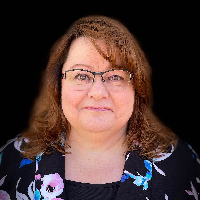
Barbara Parker is a Licensed Professional Counselor (LPC) practicing in Colorado. She has nine years of experience and brings a practical, person-centered style to sessions. Her background includes service in the United States Air Force and several years working in an inpatient program supporting men transitioning from prison to community corrections.
That work shaped her belief in people’s capacity to change. She focuses on helping clients identify the thoughts and behaviors that fuel distress.
Background and approach
Sessions emphasize collaboration: the client chooses goals and Barbara guides the process of change. She uses straightforward techniques to challenge unhelpful thinking and to build new habits. Common concerns she addresses include stress, anxiety, addictions, trauma and abuse, grief, depression, sleep problems, anger, and self-esteem.
She also works with career stress, parenting strain, ADHD, and compassion fatigue. Her style is direct but supportive. She does not give advice; instead she helps people understand their patterns and co-creates practical plans to reduce discomfort.
Motivational strategies and mindfulness skills are often part of the work. Clients looking for an approachable counselor who emphasizes personal choice and clear steps may find her a good fit. Barbara aims to help people move from feeling stuck to having tools they can use day to day.
What Barbara works with
Everything Barbara lists, in the therapist's own terms. Anger is the reason this directory exists; the rest tells you what usually sits alongside it in Barbara's practice.
- Stress, Anxiety
- Addictions
- Trauma and abuse
- Grief
- Depression
- Relationship issues
- Family conflicts
- Intimacy-related issues
- Sleeping disorders
- Parenting issues
- Anger management
- Self esteem
- Career difficulties
- Bipolar disorder
- Coping with life changes
- Coaching
- Compassion fatigue
- ADHD
- Aging and geriatric issues
- Antisocial personality
- Attachment issues
- Avoidant personality
- Blended family issues
- Body image
- Caregiver issues and stress
- Codependency
- Commitment issues
- Communication problems
- Control issues
- Coping with natural or human-caused disaster
- Dissociation
- Divorce and separation
- Domestic violence
- Drug and alcohol addiction
- Emptiness
- Family problems
- Fertility issues
- First responder issues
- Forgiveness
- Guilt and shame
- Hospice and end-of-life counseling
- Impulsivity
- Infidelity
- Intellectual disability
- Isolation / loneliness
- Life purpose
- Men's issues
- Midlife crisis
- Veteran and Armed Forces Issues
- Mood disorders
- Multicultural concerns
- Obsessions, compulsions, and OCD
- Panic disorder and panic attacks
- Personality disorders
- Post-traumatic stress
- Process addiction (porn, exercise, gambling)
- Seasonal Affective Disorder (SAD)
- Self-harm
- Self-love
- Sexual assault and abuse
- Social anxiety and phobia
- Traumatic brain injury
- Women's issues
- Workplace issues
Approaches Barbara lists
- Acceptance and Commitment Therapy (ACT)
- Client-Centered Therapy
- Cognitive Behavioral Therapy (CBT)
- Mindfulness Therapy
- Motivational Interviewing
- Solution-Focused Therapy
- Trauma-Focused Therapy
- Internal Family Systems
Listing an approach is not evidence of training in it. This directory copies what each therapist names and does not check training records.
Therapeutic approaches for online care
Barbara uses Acceptance and Commitment Therapy to help people notice painful thoughts and feelings without getting stuck in them. ACT focuses on values and small committed actions, which can be useful for stress, anxiety, and life changes.She also draws on Cognitive Behavioral Therapy to identify and change unhelpful thinking patterns. CBT offers concrete skills for managing mood, sleep, anger, and addictive urges through tracking thoughts and practicing new responses.
Finding the right approach is a team effort. Barbara works with each person to decide which methods fit their goals and preferences. Together they try techniques and adjust the plan based on what helps most.
Online sessions are offered by video call, phone, live chat, or text-based messaging to make counseling more flexible. Video calls allow fuller interaction and visual cues. Phone sessions can be easier if bandwidth is limited or you prefer not to be on camera. Live chat and messaging work for short check-ins, journaling between sessions, or ongoing coaching-style support. These options help fit therapy into work, caregiving, or busy schedules.
Questions people ask about Barbara
What concerns does she help with?
She helps people with stress, anxiety, addictions, trauma and abuse, grief, depression, anger, sleep problems, self-esteem, and related issues.
How would you describe her therapeutic style?
Her approach is person-centered and collaborative. She guides clients to challenge unhelpful thoughts and build new behaviors rather than giving advice.
What is her clinical background?
She has nine years of experience and previously worked in an inpatient program helping men transition from prison to community corrections, plus service in the United States Air Force.
What credentials and location are listed?
She is a Licensed Professional Counselor, LPC, licensed in Colorado and practices there.
Which languages are supported and can she work internationally?
Sessions are offered in English. She is not working with international clients.
What session formats are available?
Sessions can be held by video call, phone, live chat, or text-based messaging.
How are costs handled?
Cost varies with location and therapist availability; sessions use a subscription that can be canceled at any time.
How do I begin working with her?
Click the Start Therapy button, complete a short matching questionnaire, and schedule sessions according to therapist availability.