Works with
- Anger
- Stress, Anxiety
- Addictions
- Parenting issues
- Anger management
- Self esteem
How Beverly works
Practical facts
- Credentials
- LPC
- Licensed in
- Oklahoma
- Years in practice
- 27
- Languages
- English
- Session format
- Online, through our partner platform
About Beverly
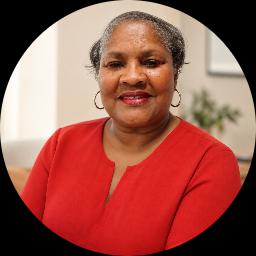
Beverly Nicholas is a Licensed Professional Counselor (LPC) in Oklahoma who helps people manage stress, anxiety, addiction, parenting worries, anger, and low self-esteem. She works with individuals around relationship and family concerns, trauma and abuse, mood conditions like depression and bipolar, and life transitions. Beverly approaches clients with respect and without judgment.
Her style is recovery-oriented and trauma-informed. She begins by asking what feels heaviest and what change would matter most.
Background and approach
Early sessions focus on what brought someone to therapy and practical steps they want to take. Beverly aims for steady, manageable progress rather than quick fixes. Beverly draws on client-centered methods that prioritize the person’s goals and experience.
She also uses cognitive behavioral techniques to identify unhelpful thoughts and actions, and motivational interviewing to support readiness for change. When trauma is present, she adapts interventions to keep work paced and safe. Sessions tend to focus on clear goals, problem solving, and skills people can use between meetings.
Parents who feel overwhelmed can expect help with coping strategies and ways to handle parenting stress. People dealing with addiction or substance concerns are offered a nonjudgmental approach that supports recovery and practical steps forward. With 27 years of clinical experience, Beverly combines practical strategies with a compassionate stance.
She offers a welcoming environment for people from varied backgrounds who want to build change, reconnect with strengths, and make daily life feel more manageable.
What Beverly works with
Everything Beverly lists, in the therapist's own terms. Anger is the reason this directory exists; the rest tells you what usually sits alongside it in Beverly's practice.
- Stress, Anxiety
- Addictions
- Parenting issues
- Anger management
- Self esteem
- LGBT
- Relationship issues
- Family conflicts
- Trauma and abuse
- Career difficulties
- Bipolar disorder
- Depression
- Coping with life changes
- Compassion fatigue
- ADHD
- Abandonment
- Adoption and foster care
- Aging and geriatric issues
- Attachment issues
- Blended family issues
- Body image
- Caregiver issues and stress
- Codependency
- Communication problems
- Coping with natural or human-caused disaster
- Domestic violence
- Drug and alcohol addiction
- Family problems
- Fatherhood issues
- Guilt and shame
- Immigration issues
- Impulsivity
- Isolation / loneliness
- Jealousy
- Men's issues
- Midlife crisis
- Veteran and Armed Forces Issues
- Mood disorders
- Multicultural concerns
- Postpartum depression
- Post-traumatic stress
- Self-harm
- Self-love
- Smoking / vaping cessation
- Social anxiety and phobia
- Traumatic brain injury
- Visually impaired
- Women's issues
- Workplace issues
- Young adult issues
Approaches Beverly lists
- Client-Centered Therapy
- Cognitive Behavioral Therapy (CBT)
- Motivational Interviewing
- Solution-Focused Therapy
- Trauma-Focused Therapy
Listing an approach is not evidence of training in it. This directory copies what each therapist names and does not check training records.
How Beverly’s approaches adapt to online work
Client-centered therapy focuses on listening and following the client’s lead. The therapist reflects what matters to the person and helps set goals that feel meaningful. This approach is useful for people who want a respectful, paced way to talk through concerns.Cognitive Behavioral Therapy, or CBT, looks at the links between thoughts, feelings, and actions. It teaches specific skills to change unhelpful thinking and behavior, which can help with anxiety, anger, and mood concerns. Motivational Interviewing supports readiness for change by exploring ambivalence and strengthening personal motivation.
Finding the right approach is a collaborative process. Beverly will work with each person to choose methods that match their needs, goals, and preferences. Together they will check in on progress and adjust the plan as work moves forward.
The biography does not list specific session formats, so confirm current options before booking. Online therapy can make it easier to fit sessions into a busy life - for example by reducing travel time, allowing shorter check-ins during a work break, or enabling meetings when schedules and travel make in-person sessions harder. Talk with the therapist about what will work best for practical needs and daily routines.
Questions people ask about Beverly
What kinds of concerns does Beverly help with?
She supports people with stress, anxiety, addictions, parenting strain, anger, self-esteem, relationship and family issues, trauma and abuse, depression and bipolar, and more.
What is her general therapeutic style?
Her style is client-centered and respectful, with a recovery-oriented and trauma-informed approach that prioritizes each person’s goals.
How much experience does she have?
She has 27 years of clinical experience working with a wide range of concerns and life challenges.
What credentials and location are listed?
She is a Licensed Professional Counselor (LPC) and practices in Oklahoma.
Which languages are supported and can international clients connect?
Sessions are offered in English, and she accepts international clients.
What session formats are available?
The original biography does not list specific session formats; please confirm current options before booking.
How is cost handled for sessions?
Cost varies with location and therapist availability; sessions use a subscription that can be canceled at any time.
How do I begin working with her?
Choose the Start Therapy button, complete a short matching questionnaire, and schedule sessions according to therapist availability.