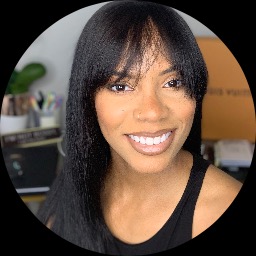
How Blythe works
Practical facts
- Credentials
- LPC
- Licensed in
- Texas
- Years in practice
- 9
- Languages
- English
- Session format
- Online, through our partner platform
About Blythe
Blythe Barnes is a Licensed Professional Counselor (LPC) based in Texas who helps people manage stress, anger, anxiety, and depression. She listens without judgment and focuses on practical steps people can use right away. Blythe encourages honest conversation and works at a steady, calm pace to help clients feel heard and understood.
She uses a client-centered approach that keeps each person’s goals in view. That means sessions begin with what matters most to the client, then build small, achievable steps toward change.
Background and approach
Blythe also integrates Cognitive Behavioral Therapy to identify unhelpful thoughts and swap them for more useful ones. For people coping with past trauma, Blythe draws on trauma-focused methods and EMDR-informed strategies to reduce distress linked to difficult memories. She pays attention to how attachment and family history shape current struggles and brings that into the work when it helps.
In sessions she focuses on skill building. Clients practice emotion regulation, communication, and coping tools they can use between meetings. Blythe explains techniques plainly and checks in about how they’re working in real life.
She has nine years of experience as an LPC in Texas. Sessions are offered in English and available through multiple online formats. Blythe invites people who are ready to take a first step to complete a brief matching questionnaire and schedule a time to begin.
What Blythe works with
Everything Blythe lists, in the therapist's own terms. Anger is the reason this directory exists; the rest tells you what usually sits alongside it in Blythe's practice.
- Stress, Anxiety
- Trauma and abuse
- Self esteem
- Depression
- Coping with life changes
- LGBT
- Relationship issues
- Family conflicts
- Grief
- Intimacy-related issues
- Parenting issues
- Anger management
- Career difficulties
- Bipolar disorder
- Compassion fatigue
- Abandonment
- Attachment issues
- Body image
- Caregiver issues and stress
- Codependency
- Communication problems
- Control issues
- Dependent personality
- Disruptive Mood Dysregulation Disorder (DMDD)
- Divorce and separation
- Emptiness
- Family of origin issues
- Family problems
- Fatherhood issues
- Forgiveness
- Guilt and shame
- Isolation / loneliness
- Jealousy
- Life purpose
- Men's issues
- Money and financial issues
- Multicultural concerns
- Narcissism
- Postpartum depression
- Pregnancy and childbirth
- Prejudice and discrimination
- Seasonal Affective Disorder (SAD)
- Self-love
- Sexual assault and abuse
- Sexuality
- Social anxiety and phobia
- Women's issues
- Workplace issues
- Young adult issues
Approaches Blythe lists
- Client-Centered Therapy
- Cognitive Behavioral Therapy (CBT)
- Eye Movement Desensitization and Reprocessing (EMDR)
- Trauma-Focused Therapy
- Internal Family Systems
Listing an approach is not evidence of training in it. This directory copies what each therapist names and does not check training records.
Approaches that translate well to online therapy
Client-centered therapy focuses on the client’s experience and priorities. The therapist listens closely and follows the client’s lead to set goals and pace. This approach helps people who want a supportive space to talk through feelings and choices.Cognitive Behavioral Therapy, or CBT, identifies unhelpful thinking patterns and tests new behaviors. It often includes simple exercises and homework you can do between sessions to reduce anxiety, anger, or low mood.
EMDR and trauma-focused techniques aim to reduce the intensity of trauma-related memories and reactions. When appropriate, Blythe integrates these methods to help people feel less overwhelmed by past events and more able to manage day-to-day life.
Blythe approaches selection of methods as a team effort. She will work with the client to decide which approach or combination fits best given the person’s goals, comfort level, and current needs. Clients can expect a collaborative plan that adjusts over time.
Online formats include video calls, phone sessions, live chat, and text-based messaging. Video sessions are useful for in-depth work and visual connection. Phone sessions can be lower bandwidth and easier to fit into a busy schedule. Live chat and text messaging work well for shorter check-ins, progress updates, and ongoing skill practice. These options make it easier to keep therapy consistent and fit visits into everyday life.
Questions people ask about Blythe
What kinds of concerns does Blythe address?
She supports people dealing with stress, anxiety, anger, depression, trauma and related issues like low self-esteem, grief, parenting strain, and relationship or career stress.
What is her therapeutic style like?
Sessions are client-centered and conversational, with a focus on clear, usable tools. Blythe emphasizes listening first, then offers practical strategies to try between sessions.
How much clinical experience does she have?
She has nine years of professional experience working as a Licensed Professional Counselor in Texas.
What credentials and region should I know about?
She holds the LPC credential and practices in Texas.
Which languages are used in sessions?
Sessions are offered in English.
Can international clients connect with her?
She is not accepting international clients at this time; sessions are provided to people within the therapist's allowed regions.
What session formats are available?
Work can take place via video calls, phone sessions, live chat, or text-based messaging depending on what fits the client’s needs.
How does billing and getting started work?
Sessions use a subscription model that can be canceled at any time and cost varies with location and therapist availability. To begin, select the Start Therapy button, complete the short matching questionnaire, and schedule a session.