Works with
Practical facts
- Credentials
- LCSW
- Licensed in
- Texas
- Years in practice
- 17
- Languages
- English
- Session format
- Online, through our partner platform
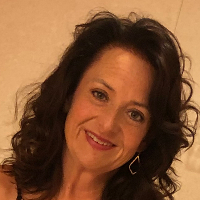
About Brandi
Brandi Denson is a Licensed Clinical Social Worker with 17 years of clinical experience in Texas. She draws on a wide range of settings from hospitals and nursing homes to schools and independent practice. Brandi aims to create a warm, supportive space where people can talk through immediate concerns and set clear, achievable goals.
She keeps sessions focused and practical. Brandi uses client-centered approaches to listen and understand what matters most to each person.
Background and approach
She also uses cognitive behavioral techniques to help change unhelpful thoughts and behaviors, and solution-focused steps to build small, manageable changes. Brandi has worked with people facing stress, anxiety, depression, grief, and anger. She also addresses issues such as addictions, relationship and intimacy concerns, parenting strain, eating and sleeping problems, ADHD, bipolar challenges, and trauma and abuse.
Her background includes supporting people coping with chronic illness, caregiver stress, body image issues, and loss. In sessions, Brandi works with clients to identify practical strategies. She helps people notice patterns, try new ways of responding, and track progress over time.
The work often includes skill-building, problem-solving, and short-term goal setting that fits daily life. Her approach is collaborative and respectful. Brandi helps people find their own answers while offering concrete tools and observations that move them toward better coping and clearer decisions.
What Brandi works with
Everything Brandi lists, in the therapist's own terms. Anger is the reason this directory exists; the rest tells you what usually sits alongside it in Brandi's practice.
- Stress, Anxiety
- Grief
- Self esteem
- Depression
- Coping with life changes
- Addictions
- Relationship issues
- Family conflicts
- Trauma and abuse
- Intimacy-related issues
- Eating disorders
- Sleeping disorders
- Parenting issues
- Anger management
- Bipolar disorder
- ADHD
- Abandonment
- Antisocial personality
- Attachment issues
- Body image
- Cancer
- Caregiver issues and stress
- Chronic pain, illness, and disability
- Control issues
- Coping with natural or human-caused disaster
- Disruptive Mood Dysregulation Disorder (DMDD)
- Domestic violence
- Drug and alcohol addiction
- Eating and food-related issues
- Forgiveness
- Guilt and shame
- Hospice and end-of-life counseling
- Impulsivity
- Intellectual disability
- Isolation / loneliness
- Life purpose
- Mood disorders
- Obsessions, compulsions, and OCD
- Panic disorder and panic attacks
- Paranoia
- Personality disorders
- Phobias
- Postpartum depression
- Seasonal Affective Disorder (SAD)
- Self-harm
- Self-love
- Social anxiety and phobia
- Somatization
- Women's issues
- Young adult issues
Approaches Brandi lists
Listing an approach is not evidence of training in it. This directory copies what each therapist names and does not check training records.
How Brandi’s Approaches Work Online
Brandi uses client-centered therapy to listen closely and follow what matters most to each person. This approach emphasizes understanding the client's perspective and supporting them to find their own solutions, which can be helpful for stress, grief, and self-esteem concerns.She also uses Cognitive Behavioral Therapy or CBT to help identify patterns of thinking and behavior that keep problems stuck. CBT offers concrete exercises and simple tools that clients can practice between sessions to reduce anxiety, manage mood, and address anger and addictive behaviors.
Finding the right approach is part of the work together. Brandi will talk with each client about their goals, try methods that fit those goals, and adjust the plan as progress is made. The process is collaborative and focused on practical steps that fit daily life.
Online therapy offers flexibility in how sessions happen. Video calls allow face-to-face conversation and visual cues. Phone sessions work well when bandwidth is limited or when someone prefers not to be on camera. Live chat and text-based messaging can support brief check-ins, ongoing coaching, or a quick way to plan next steps. These options make it easier to fit therapy into a busy schedule and keep momentum between sessions.
Questions people ask about Brandi
What kinds of concerns does she address?
She works with a wide range of issues including stress, anxiety, depression, grief, anger, addictions, relationship and intimacy concerns, parenting strain, and trauma and abuse.
How would you describe her therapeutic style?
She uses a warm, collaborative approach that centers the client's goals, combines active listening with practical techniques, and focuses on small, achievable changes.
What is her clinical background?
She has 17 years of experience providing counseling in hospitals, nursing homes, schools, independent practice, and company settings.
What credentials does she hold and where is she based?
She is an LCSW - Licensed Clinical Social Worker - licensed in Texas and practices from that state.
Which languages are sessions offered in?
Sessions are offered in English.
What session formats are available?
She works with video calls, phone sessions, live chat, and text-based messaging to accommodate different preferences.
How does pricing work for sessions?
Cost varies with location and therapist availability; sessions use a subscription model that can be canceled at any time.
How do I begin working with her?
Start by selecting the Start Therapy button, complete the short matching questionnaire, and schedule sessions according to therapist availability.