Works with
How Brandon works
Practical facts
- Credentials
- LCMHC
- Licensed in
- Utah
- Years in practice
- 10
- Languages
- English
- Session format
- Online, through our partner platform
About Brandon
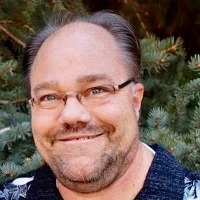
Brandon Woffinden is a licensed clinical mental health counselor (LCMHC) who helps people manage anger, stress, anxiety, and related struggles. He speaks plainly and focuses on practical steps people can use right away. Many clients come with grief, addiction, trauma, low self-esteem, or burnout from caregiving and work.
Brandon works to make progress feel doable at first. Brandon earned a master’s degree in Clinical Mental Health Counseling from the University of Phoenix and has ten years of clinical experience.
Background and approach
Before counseling he spent a decade in law enforcement, which informs his calm, steady approach. He often blends different methods to fit the person in front of him rather than relying on a single tool. In sessions he uses Cognitive Behavioral Therapy, Dialectical Behavior Therapy, and client-centered techniques to help clients notice patterns and practice new skills.
He also draws on mindfulness, meditation, breathing exercises, and emotional freedom techniques when useful. Sessions emphasize short, actionable strategies that can be practiced between meetings. Clients looking for support around relationships, intimacy, parenting, career stress, ADHD, or major life changes will find a focus on concrete coping skills and problem solving.
He also supports people dealing with trauma, PTSD, and first responder resilience. Brandon offers video, phone, live chat, and text-based messaging sessions from Utah. He encourages people to take the first step and complete a short matching questionnaire to find a time that fits their schedule.
What Brandon works with
Everything Brandon lists, in the therapist's own terms. Anger is the reason this directory exists; the rest tells you what usually sits alongside it in Brandon's practice.
- Stress, Anxiety
- Addictions
- Trauma and abuse
- Grief
- Self esteem
- LGBT
- Relationship issues
- Family conflicts
- Intimacy-related issues
- Parenting issues
- Anger management
- Career difficulties
- Bipolar disorder
- Depression
- Coping with life changes
- Coaching
- Compassion fatigue
- ADHD
- Abandonment
- Adoption and foster care
- Aging and geriatric issues
- Antisocial personality
- Attachment issues
- Autism and Asperger Syndrome
- Blended family issues
- Body image
- Cancer
- Caregiver issues and stress
- Chronic pain, illness, and disability
- Codependency
- Commitment issues
- Communication problems
- Control issues
- Coping with natural or human-caused disaster
- Dissociation
- Divorce and separation
- Domestic violence
- Drug and alcohol addiction
- Eating and food-related issues
- Emptiness
- Family of origin issues
- Family problems
- Fatherhood issues
- Fertility issues
- First responder issues
- Forgiveness
- Guilt and shame
- Hearing impaired
- HIV / AIDS
- Hoarding
- Hospice and end-of-life counseling
- Impulsivity
- Infidelity
- Intellectual disability
- Isolation / loneliness
- Jealousy
- Life purpose
- Men's issues
- Midlife crisis
- Veteran and Armed Forces Issues
- Money and financial issues
- Mood disorders
- Multicultural concerns
- Narcissism
- Obsessions, compulsions, and OCD
- Panic disorder and panic attacks
- Paranoia
- Personality disorders
- Phobias
- Postpartum depression
- Post-traumatic stress
- Pregnancy and childbirth
- Prejudice and discrimination
- Process addiction (porn, exercise, gambling)
- Seasonal Affective Disorder (SAD)
- Self-harm
- Self-love
- Sex addiction
- Sexual assault and abuse
- Sexual dysfunction
- Sexuality
- Smoking / vaping cessation
- Social anxiety and phobia
- Traumatic brain injury
- Trichotillomania
- Visually impaired
- Women's issues
- Workplace issues
- Young adult issues
Approaches Brandon lists
- Client-Centered Therapy
- Cognitive Behavioral Therapy (CBT)
- Dialectical Behavior Therapy (DBT)
- Existential Therapy
- Hypnotherapy
- Mindfulness Therapy
- Motivational Interviewing
- Solution-Focused Therapy
- Trauma-Focused Therapy
Listing an approach is not evidence of training in it. This directory copies what each therapist names and does not check training records.
Approach-driven care, delivered online
Client-centered work focuses on the person’s goals and experiences, letting the therapist follow the client’s lead while offering support and reflection. This approach helps people feel understood and involved in shaping their path forward.Cognitive Behavioral Therapy (CBT) targets unhelpful thoughts and behaviors by teaching practical skills. It is often used for anxiety, depression, anger, and stress to help people change patterns that cause distress.
Dialectical Behavior Therapy (DBT) offers tools for emotional regulation, distress tolerance, and improving communication. It can be useful when strong emotions, conflict, or relationship difficulties get in the way of daily life.
Finding the right mix of approaches is part of the work. The therapist will collaborate with each person to decide which methods and exercises fit their needs and preferences. Goals, feedback, and small experiments guide adjustments over time.
Online formats include video calls, phone sessions, live chat, and text-based messaging. Video calls allow face-to-face interaction, phone sessions work well when bandwidth is limited, live chat is useful for shorter check-ins, and text messaging supports ongoing skills practice. These options make it easier to fit sessions into a busy schedule and keep therapy consistent when life gets hectic.
Questions people ask about Brandon
What kinds of concerns does this therapist address?
He supports people with anger, stress, anxiety, depression, addictions, trauma and grief, as well as relationship and intimacy-related issues and caregiver stress.
What is his therapeutic style and approach?
He takes a practical, collaborative style that emphasizes skill practice. Methods include client-centered work alongside CBT and DBT techniques.
How much clinical experience does he have?
He has ten years of professional experience, including clinical work after earning his master’s degree in Clinical Mental Health Counseling.
Where is he licensed and located?
He holds the Utah LCMHC credential and practices from Utah.
In which languages are sessions offered?
Sessions are offered in English only.
What session formats are available?
Sessions can be scheduled as video calls, phone sessions, live chat, or text-based messaging depending on what fits the person best.
How are sessions paid for and what do they cost?
Cost varies with location and the subscription model is used; the subscription can be canceled at any time.
How do I begin working with him?
Click the Start Therapy button, complete a short matching questionnaire, and then schedule sessions according to therapist availability.