Works with
- Anger
- Addictions
- Relationship issues
- Trauma and abuse
- Anger management
- Depression
How Brenda works
Practical facts
- Credentials
- LCSW
- Licensed in
- Ohio, Oregon, Arizona
- Years in practice
- 27
- Languages
- English
- Session format
- Online, through our partner platform
About Brenda
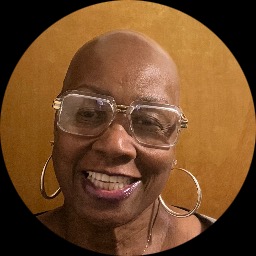
Brenda Haney is a licensed clinical social worker who helps people facing addiction, anger, depression, trauma, and relationship struggles. She approaches each person with respect, sensitivity, and patience. Her style is direct but warm, focused on practical steps you can try between sessions.
Brenda draws on 27 years of practice to tailor conversations and plans to each person’s needs. She listens first to understand what matters most, then works with you to set achievable goals.
Background and approach
That can include learning techniques to manage strong feelings, changing patterns that keep causing harm, or building skills for healthier relationships. Her work involves straightforward therapy methods that teach new ways of thinking and acting. She mixes approaches to match the problem - from identifying unhelpful thoughts to practicing new behaviors and values-based choices.
Sessions aim to be useful and usable in daily life. Clients can expect clear communication about what to try and why. Brenda believes small changes add up, and she helps people track progress and adjust plans as needed.
She also uses motivational methods when substance use or avoidance is part of the challenge. Brenda is licensed as an LCSW and provides services from Ohio. She will tailor the pace and focus to each person’s history and goals, offering steady support while people work toward better control of emotions and more satisfying relationships.
What Brenda works with
Everything Brenda lists, in the therapist's own terms. Anger is the reason this directory exists; the rest tells you what usually sits alongside it in Brenda's practice.
- Addictions
- Relationship issues
- Trauma and abuse
- Anger management
- Depression
- Self esteem
- Abandonment
- Aging and geriatric issues
- Attachment issues
- Avoidant personality
- Blended family issues
- Communication problems
- Control issues
- Dependent personality
- Domestic violence
- Drug and alcohol addiction
- Family problems
- Forgiveness
- Guilt and shame
- Hoarding
- Veteran and Armed Forces Issues
- Mood disorders
- Narcissism
- Panic disorder and panic attacks
- Phobias
- Polyamory / non-monogamous relationships
- Post-traumatic stress
- Prejudice and discrimination
- Self-harm
- Self-love
- Sexual assault and abuse
- Social anxiety and phobia
- Trichotillomania
- Women's issues
- Workplace issues
Approaches Brenda lists
- Acceptance and Commitment Therapy (ACT)
- Client-Centered Therapy
- Cognitive Behavioral Therapy (CBT)
- Dialectical Behavior Therapy (DBT)
- Motivational Interviewing
- Solution-Focused Therapy
- Trauma-Focused Therapy
Listing an approach is not evidence of training in it. This directory copies what each therapist names and does not check training records.
Approaches that guide online sessions
Acceptance and Commitment Therapy, or ACT, helps people clarify what matters to them and take small actions that move toward those values. It is useful for coping with intense emotions like anger and for breaking cycles of avoidance. Cognitive Behavioral Therapy, CBT, focuses on spotting unhelpful thoughts and testing new behaviors to shift mood and reactions; it can be helpful for depression, anxiety, and relationship patterns. Motivational Interviewing is a collaborative way to boost readiness for change when substance use or reluctance is present by exploring ambivalence and building motivation.Finding the best approach is part of the work together. The therapist will listen to your goals and try methods that fit your needs and preferences. If something isn’t working, the plan is adjusted so therapy stays practical and relevant to your life.
Online sessions use video calls, phone sessions, live chat, or text-based messaging to offer flexibility. Video is useful for longer conversations and skills practice, while phone sessions can be easier when bandwidth is low. Live chat or messaging can work for brief check-ins, homework support, or when a written exchange feels more comfortable. These options make it simpler to fit therapy into a busy schedule and keep progress moving forward.
Questions people ask about Brenda
What kinds of concerns does Brenda address?
She works with people dealing with addictions, anger, depression, trauma and relationship difficulties, plus related issues like shame, communication problems, and control struggles.
What is her general approach to therapy?
Brenda combines practical methods that teach new skills with supportive listening. Sessions focus on concrete steps you can use between meetings to manage emotions and change unhelpful patterns.
How much experience does she have?
She brings 27 years of professional experience working with a range of concerns, including substance use and trauma-related issues.
What credentials and location are listed?
Brenda holds the Licensed Clinical Social Worker credential, LCSW, and provides services from Ohio while holding licenses in Arizona and Oregon as documented.
Which languages are supported for sessions?
Sessions are offered in English.
What session formats are available?
She offers video calls, phone sessions, live chat, and text-based messaging to fit different schedules and preferences.
How does the cost and payment work?
Costs vary with location and therapist availability; sessions are provided through a subscription model that can be canceled at any time.
What are the steps to begin working together?
Start by selecting the Start Therapy button, fill out a short matching questionnaire, and then schedule sessions according to the therapist's availability.