Works with
- Anger
- Stress, Anxiety
- Family conflicts
- Trauma and abuse
- Self esteem
- Depression
How Brett works
Practical facts
- Credentials
- LMFT
- Licensed in
- California
- Years in practice
- 22
- Languages
- English
- Session format
- Online, through our partner platform
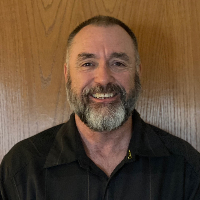
About Brett
Brett Smith is a licensed marriage and family therapist (LMFT) in California with 22 years of experience. He helps people facing stress, anxiety, trauma and abuse, anger, depression, addictions, and a wide range of relationship and intimacy concerns. He also supports people dealing with career stress, sleep and eating problems, grief, ADHD, and compassion fatigue.
Brett draws on his own experience with trauma and a long clinical history to guide his work.
Background and approach
He came to counseling after dealing with PTSD and spent many years working with personality disorders and trauma symptoms. That background informs how he listens and responds to difficult, persistent problems. His style is direct and practical.
He commonly uses dialectical behavior therapy - DBT - for skill building and emotional regulation, and shifts approaches when a situation calls for it. He also incorporates hypnotherapy and Jungian and mindfulness ideas when they fit the client's needs. Brett has experience conducting emergency psychiatric assessments in hospital settings, which has sharpened his diagnostic skills and his comfort with crisis situations.
He pairs that clinical experience with clear, goal-focused sessions that emphasize real-life changes. Outside of work he sails, backpacks, kayaks, and trains dogs with his wife. He maintains a YouTube channel with videos on topics he covers in therapy.
That practical orientation shows up in sessions, where the aim is to reduce what gets in the way of living a fuller life.
What Brett works with
Everything Brett lists, in the therapist's own terms. Anger is the reason this directory exists; the rest tells you what usually sits alongside it in Brett's practice.
- Stress, Anxiety
- Family conflicts
- Trauma and abuse
- Self esteem
- Depression
- Addictions
- LGBT
- Relationship issues
- Grief
- Intimacy-related issues
- Eating disorders
- Sleeping disorders
- Parenting issues
- Anger management
- Career difficulties
- Coping with life changes
- Compassion fatigue
- ADHD
- Abandonment
- BDSM, kink, and alternative sex culture
- Body image
- Codependency
- Commitment issues
- Communication problems
- Control issues
- Dependent personality
- Dissociation
- Family of origin issues
- First responder issues
- Infidelity
- Jealousy
- Veteran and Armed Forces Issues
- Mood disorders
- Personality disorders
- Post-traumatic stress
- Process addiction (porn, exercise, gambling)
- Self-harm
- Self-love
- Sex addiction
- Sexual assault and abuse
- Sexuality
Approaches Brett lists
- Cognitive Behavioral Therapy (CBT)
- Dialectical Behavior Therapy (DBT)
- Hypnotherapy
- Jungian Therapy
- Mindfulness Therapy
Listing an approach is not evidence of training in it. This directory copies what each therapist names and does not check training records.
Practical approaches for online therapy and skill building
Dialectical Behavior Therapy (DBT) focuses on building concrete skills for managing strong emotions, tolerating distress, and improving relationships. It is useful for people who need tools to reduce outbursts, cope with anger, and handle intense feelings. Cognitive Behavioral Therapy (CBT) helps identify unhelpful thoughts and patterns and then tests new behaviors to change mood and functioning; it is often used for anxiety, depression, and stress. Hypnotherapy uses guided relaxation and suggestion to access subconscious patterns and support changes in habits, sleep, or symptom management when that approach fits a person’s goals.Choosing the right approach is a collaborative process. The therapist will discuss goals, try techniques, and adjust methods based on what helps. Clients have a say in which strategies feel most useful, and treatment is adapted as needed over time.
Online sessions can be scheduled as video calls, phone sessions, live chat, or text messaging to match different needs. Video is helpful for fuller conversation and visual cues. Phone sessions use less bandwidth and can fit into a short break. Live chat or text messaging can suit quick check-ins, homework support, or times when typing feels easier than talking. These options make it easier to fit therapy into a busy life and keep continuity when schedules change.
Questions people ask about Brett
What kinds of concerns does Brett address?
He works with stress, anxiety, trauma and abuse, anger, depression, addictions, relationship and intimacy issues, and related problems such as sleep, eating, ADHD, and grief.
What is his therapy style and approach?
Brett uses a direct, practical style and often applies dialectical behavior therapy (DBT) for emotional regulation and coping skills. He will adapt methods to match each person’s needs and goals.
How long has he practiced clinically?
He has 22 years of experience in counseling, including work with personality disorders and trauma-related symptoms.
Where is he licensed and based?
He is a California licensed marriage and family therapist, listed as LMFT, and practices from California.
Which languages and international options are available?
Sessions are offered in English and he accepts international clients.
What session formats are offered?
Therapy is available via video calls, phone sessions, live chat, and text-based messaging.
How are fees handled?
Cost varies with location and therapist availability; sessions use a subscription model that can be canceled at any time.
How do I begin working with him?
Start by selecting the Start Therapy button, complete the short matching questionnaire, and then schedule sessions according to the therapist’s availability.