Works with
- Anger
- Stress, Anxiety
- Relationship issues
- Self esteem
- Bipolar disorder
- Depression
How Brooks works
Practical facts
- Credentials
- LMHC
- Licensed in
- Florida
- Years in practice
- 27
- Languages
- English
- Session format
- Online, through our partner platform
About Brooks
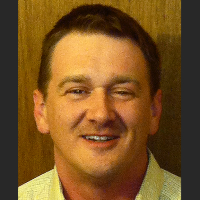
Brooks Johnson is a Licensed Mental Health Counselor (LMHC) with 27 years of experience. He centers work on helping people move toward a more balanced, purposeful life. He meets clients where they are and aims for clear, practical steps forward.
He blends approaches to match each person's needs, drawing most often from cognitive behavioral and existential ideas. Sessions focus on identifying unhelpful thoughts and testing new behaviors. Mindfulness practices are added to help manage stress, anxiety, and strong emotions like anger.
Background and approach
Brooks also brings life experience to his clinical work and may discuss spiritual concerns when clients want that included. He uses solution-focused techniques for practical problems such as coping with life changes, career decisions, or impulse control. Trauma-informed methods are offered for people dealing with past hurt or abuse.
His practice addresses a wide range of concerns including depression, bipolar symptoms, addictions, grief, relationship and intimacy difficulties, and ADHD. He also supports people facing aging and caregiver stress, hospice and end-of-life issues, and chronic isolation or loneliness. Brooks helps people sort priorities and find a path forward.
Sessions are provided from Florida and are conducted in English. He offers several remote formats for ongoing work. The initial step is a short matching questionnaire followed by scheduling to find a good fit.
What Brooks works with
Everything Brooks lists, in the therapist's own terms. Anger is the reason this directory exists; the rest tells you what usually sits alongside it in Brooks's practice.
- Stress, Anxiety
- Relationship issues
- Self esteem
- Bipolar disorder
- Depression
- Addictions
- Family conflicts
- Trauma and abuse
- Grief
- Intimacy-related issues
- Anger management
- Career difficulties
- Coping with life changes
- ADHD
- Aging and geriatric issues
- Caregiver issues and stress
- Codependency
- Control issues
- Dependent personality
- Divorce and separation
- Drug and alcohol addiction
- Family problems
- Forgiveness
- Guilt and shame
- Hospice and end-of-life counseling
- Impulsivity
- Intellectual disability
- Isolation / loneliness
- Life purpose
- Men's issues
- Mood disorders
- Obsessions, compulsions, and OCD
- Phobias
- Process addiction (porn, exercise, gambling)
- Seasonal Affective Disorder (SAD)
- Self-love
- Social anxiety and phobia
- Workplace issues
Approaches Brooks lists
- Cognitive Behavioral Therapy (CBT)
- Existential Therapy
- Mindfulness Therapy
- Solution-Focused Therapy
- Trauma-Focused Therapy
Listing an approach is not evidence of training in it. This directory copies what each therapist names and does not check training records.
How cognitive, existential, and mindfulness approaches work online
Brooks draws from cognitive behavioral therapy to help clients notice unhelpful thoughts and try new actions. In practical terms this means identifying a thought pattern that fuels anger or anxiety, testing a different response, and tracking changes over time.He also uses existential ideas to help people explore meaning, purpose, and major life questions. This approach is useful for clients facing life transitions, career crossroads, or questions about personal values. Mindfulness therapy is added to teach simple breathing and attention exercises that reduce reactivity and improve emotional regulation.
Choosing the right approach is a collaborative process. Brooks will talk with each person about goals, preferences, and what has or hasn’t worked before. From there he tailors a plan that may mix techniques from different approaches so the work fits the person rather than forcing a single method.
Online sessions are offered by video calls, phone, live chat, or text-based messaging to fit different needs. Video is helpful for deeper work and face-to-face interaction. Phone sessions can be easier when bandwidth is limited or when someone prefers not to be on camera. Live chat and text messaging allow brief check-ins and flexible communication between scheduled meetings, making ongoing care easier to fit into a busy life.
Questions people ask about Brooks
What concerns does he commonly address?
He works with stress, anxiety, depression, bipolar symptoms, anger, addictions, grief, relationship and intimacy issues, ADHD, and related life challenges.
What is his therapy style like?
Sessions are practical and collaborative, focusing on thought patterns, behavior changes, and mindfulness exercises to help manage emotions and daily problems.
How long has he been practicing?
Brooks has 27 years of experience combining formal education with life experience to inform his clinical work.
Where is he licensed and based?
He is a Florida licensed mental health counselor (LMHC) and practices from Florida.
Which languages are offered for sessions?
Sessions are offered in English.
Can people outside the U.S. work with him?
He does not accept international clients at this time.
What session formats are available?
He offers video calls, phone sessions, live chat, and text-based messaging for remote work.
How do I start working with him?
Click the Start Therapy button, complete a short matching questionnaire, and schedule sessions according to therapist availability.