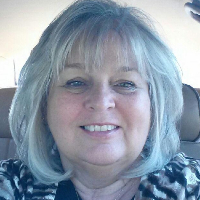
How Carol works
Practical facts
- Credentials
- LMHC
- Licensed in
- Florida
- Years in practice
- 16
- Languages
- English
- Session format
- Online, through our partner platform
About Carol
Dr. Carol Parham is a Florida-licensed mental health counselor with 16 years of experience. She focuses on practical help for people dealing with stress, anxiety, anger, depression, grief, and major life changes.
Dr. Parham aims to provide steady support while people sort through difficult emotions and make decisions that matter to them. She uses approaches that center the client's experience and relationships.
Sessions emphasize clear communication, building self-esteem, and managing strong emotions.
Background and approach
She helps people talk through traumatic memories and learn skills to cope day to day. Dr. Parham pays attention to attachment and how early relationships shape current patterns.
That helps when people face issues like abandonment, adoption and foster care concerns, blended family stress, or communication problems. She also supports those working through divorce, family conflict, and the challenges of aging. In the room she favors a collaborative style.
She listens closely, offers feedback, and practices concrete techniques people can use between sessions. Clients can expect both short-term skill work and deeper conversations about life purpose, guilt, or forgiveness. She offers care in English and works with adults who want help managing impulsivity, paranoia, or commitment worries.
Her practice includes attention to parenting strain and rebuilding relationships after loss or trauma. Dr. Parham explains options clearly and helps people pick steps that fit their life.
What Carol works with
Everything Carol lists, in the therapist's own terms. Anger is the reason this directory exists; the rest tells you what usually sits alongside it in Carol's practice.
- Stress, Anxiety
- Trauma and abuse
- Self esteem
- Depression
- Coping with life changes
- Relationship issues
- Family conflicts
- Grief
- Parenting issues
- Anger management
- Abandonment
- Adoption and foster care
- Aging and geriatric issues
- Attachment issues
- Blended family issues
- Codependency
- Commitment issues
- Communication problems
- Divorce and separation
- Family problems
- Forgiveness
- Guilt and shame
- Impulsivity
- Life purpose
- Paranoia
- Post-traumatic stress
- Self-love
- Social anxiety and phobia
- Workplace issues
- Young adult issues
Approaches Carol lists
- Attachment-Based Therapy
- Client-Centered Therapy
- Cognitive Behavioral Therapy (CBT)
- Emotionally-Focused Therapy (EFT)
- Existential Therapy
- Mindfulness Therapy
- Motivational Interviewing
- Solution-Focused Therapy
- Trauma-Focused Therapy
Listing an approach is not evidence of training in it. This directory copies what each therapist names and does not check training records.
Evidence-informed approaches for online support
Attachment-Based Therapy looks at how early relationships shape current feelings and reactions. It helps people understand patterns in close relationships and develop more supported ways of relating to others. Cognitive Behavioral Therapy, or CBT, focuses on the links between thoughts, feelings, and behaviors. It teaches practical tools to reduce anxiety, manage anger, and change unhelpful thinking habits. Emotionally-Focused Therapy centers on emotional patterns in relationships and helps people name and shift intense feelings that get in the way of connection.Choosing the right approach is a collaborative process. The therapist will ask about goals, preferences, and what has or hasn’t helped in the past. Together they try methods for a few sessions and adjust the plan based on what feels most useful for the client.
Online therapy offers several practical benefits. Video calls let people have a longer, face-to-face conversation when that is helpful. Phone sessions are a good fit when bandwidth is limited or a quieter check-in is needed. Live chat and text-based messaging work well for brief updates, mood tracking, or quick skill practice between sessions. These options make scheduling more flexible and help therapy fit into a busy life.
Questions people ask about Carol
What concerns does she help with?
She helps with stress, anxiety, depression, grief, anger, trauma and abuse, and coping with life changes. Additional focus areas include attachment issues, parenting strain, communication problems, and family conflict.
What is her therapeutic style like?
Her style is collaborative and client-centered. She listens closely, gives direct feedback, and teaches concrete skills people can use between sessions.
How much clinical experience does she have?
She has 16 years of experience working with adults on a range of concerns from trauma to life purpose. That background informs both short-term and deeper therapeutic work.
What credentials and location are listed?
She is a Licensed Mental Health Counselor, FL LMHC, practicing in Florida.
Which languages are supported for sessions?
Sessions are offered in English.
What session formats are available?
Sessions can be scheduled as video calls, phone sessions, live chat, or text-based messaging. Different formats are useful for brief check-ins or longer therapy conversations.
How are costs and payments handled?
Cost varies with location and therapist availability. Sessions use a subscription model that can be canceled at any time.
How do I begin working with her?
Start by selecting the Start Therapy button, completing a short matching questionnaire, and then scheduling according to therapist availability.