Works with
- Anger
- Addictions
- Trauma and abuse
- Grief
- Eating disorders
- Depression
How Carrie works
Practical facts
- Credentials
- LPCC, LPC
- Licensed in
- Texas, New Mexico
- Years in practice
- 36
- Languages
- English
- Session format
- Online, through our partner platform
About Carrie
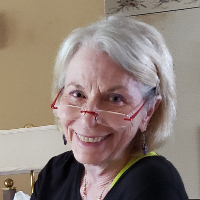
Dr. Carrie Willey is a licensed counselor with more than three decades of clinical experience. She is credentialed as an LPCC and an LPC and practices from Texas.
Her work often centers on helping people manage strong emotions, addictive behaviors, and relationship struggles. She uses concrete techniques from Cognitive Behavioral Therapy and Dialectical Behavior Therapy to help people change unhelpful patterns. She also draws on somatic methods to help the body and mind settle after stress or trauma.
Background and approach
Sessions often include practical homework to keep progress moving between meetings. Carrie has a long background working in addiction and eating disorder settings, including roles in specialized treatment programs and tribal health services. That history shaped her approach to trauma, grief, and compulsive behaviors.
She pays attention to how past family experiences influence current choices. Her style is direct and steady. She helps people identify what is working, then build on those strengths.
She also focuses on reducing behaviors that get in the way of daily life and relationships. Outside work she enjoys long bike rides and brings a calm, grounded presence to sessions. She respects varied spiritual paths and aims to help each person become more of who they want to be.
What Carrie works with
Everything Carrie lists, in the therapist's own terms. Anger is the reason this directory exists; the rest tells you what usually sits alongside it in Carrie's practice.
- Addictions
- Trauma and abuse
- Grief
- Eating disorders
- Depression
- Stress, Anxiety
- Relationship issues
- Family conflicts
- Intimacy-related issues
- Anger management
- Self esteem
- Career difficulties
- Abandonment
- Aging and geriatric issues
- Body image
- Caregiver issues and stress
- Codependency
- Communication problems
- Dissociation
- Domestic violence
- Drug and alcohol addiction
- Eating and food-related issues
- Family of origin issues
- Forgiveness
- Guilt and shame
- Midlife crisis
- Mood disorders
- Panic disorder and panic attacks
- Post-traumatic stress
- Process addiction (porn, exercise, gambling)
- Sexual assault and abuse
- Social anxiety and phobia
- Women's issues
- Workplace issues
Approaches Carrie lists
- Cognitive Behavioral Therapy (CBT)
- Dialectical Behavior Therapy (DBT)
- Existential Therapy
- Imago Relationship Therapy
- Somatic Therapy
Listing an approach is not evidence of training in it. This directory copies what each therapist names and does not check training records.
Approaches to emotion and behavior online
Dr. Willey uses Cognitive Behavioral Therapy to help people identify unhelpful thoughts and test new behaviors. CBT focuses on changing patterns that maintain problems like depression, anxiety, or unhealthy habits. She also draws from Dialectical Behavior Therapy, which teaches skills for regulating intense emotions, tolerating distress, and improving relationships. DBT skills can be useful for people who struggle with anger, mood swings, or reactive behaviors. Somatic techniques are part of her work as well; these methods attend to bodily sensations and movement to reduce physical tension after trauma or stress. They often pair well with talk-based approaches to help the whole person feel steadier. Finding the right approach is collaborative. The therapist will discuss goals, preferences, and life context, then recommend strategies to try together. She often blends methods and adjusts over time based on what helps the client make progress. Online formats offer flexibility for different needs. Video calls allow face-to-face interaction when visual cues matter. Phone sessions can be easier when bandwidth is limited or when someone prefers not to be on camera. Live chat and text messaging work for brief check-ins, skill practice, and between-session support. These options make it easier to fit therapy into a busy schedule and keep work moving forward.Questions people ask about Carrie
What concerns does this therapist address?
Areas of focus include addictions, trauma and abuse, grief, eating issues, depression, stress, anxiety, relationship and family concerns, anger, self-esteem, and career matters.
What is the therapist's general approach in sessions?
She uses practical methods from Cognitive Behavioral Therapy and Dialectical Behavior Therapy, and also incorporates somatic techniques when helpful. Sessions often include assignments to practice new skills between meetings.
How much clinical experience does she have?
The therapist brings 36 years of experience working in addiction treatment, eating disorder programs, tribal health services, and other clinical settings.
Which credentials and location are listed for this therapist?
She holds LPCC and LPC credentials and practices in Texas. The profile lists NM LPCC and TX LPC as credential details.
In which languages can sessions be conducted?
Sessions are offered in English.
What session formats are available for online work?
Sessions can be scheduled as video calls, phone sessions, live chat, or text-based messaging to fit different needs and schedules.
How is cost and billing handled?
Session cost varies with location and therapist availability and uses a subscription model that can be canceled at any time.
What are the first steps to begin therapy?
Start by selecting the Start Therapy button, complete the short matching questionnaire, and then schedule according to the therapist's availability.