Works with
- Anger
- Stress, Anxiety
- Addictions
- Relationship issues
- Family conflicts
- Depression
How Catherine works
Practical facts
- Credentials
- LPC
- Licensed in
- Missouri
- Years in practice
- 25
- Languages
- English
- Session format
- Online, through our partner platform
About Catherine
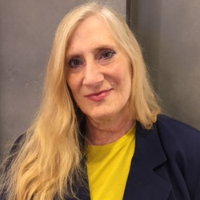
Catherine Kluge is a Licensed Professional Counselor with 25 years of clinical experience. She centers work on the person in front of her, helping people who are struggling with anger, stress, anxiety, depression, substance use, and life changes. Her approach is practical and respectful, focused on what each person needs right now.
Catherine emphasizes a client-centered stance that honors where someone is when they reach out. She listens for strengths and past coping tools, then builds from that foundation.
Background and approach
Sessions are collaborative and goal-focused, with attention to everyday functioning and realistic steps forward. She also draws on cognitive behavioral techniques to help people notice unhelpful thinking and try new behaviors. Motivational interviewing is used to support people who feel stuck or ambivalent about change, especially around addictions and health behaviors.
Narrative therapy helps reframe personal stories so people can move toward the outcomes they want. Catherine’s background includes work in a personal hospital, community mental health, and a substance use treatment center. That mix shaped her practical focus on coping skills, relapse prevention, and communicating clearly during conflict.
She has helped people with grief, bipolar depression, ADHD, parenting stress, and intimacy-related concerns. She practices from Missouri and offers sessions in English. People can expect a calm, nonjudgmental space where the therapist and client decide goals together and try approaches that fit daily life.
What Catherine works with
Everything Catherine lists, in the therapist's own terms. Anger is the reason this directory exists; the rest tells you what usually sits alongside it in Catherine's practice.
- Stress, Anxiety
- Addictions
- Relationship issues
- Family conflicts
- Depression
- LGBT
- Trauma and abuse
- Grief
- Intimacy-related issues
- Eating disorders
- Sleeping disorders
- Parenting issues
- Anger management
- Self esteem
- Career difficulties
- Bipolar disorder
- Coping with life changes
- Compassion fatigue
- ADHD
- Co-morbidity
- Codependency
- Communication problems
- Disruptive Mood Dysregulation Disorder (DMDD)
- Divorce and separation
- Domestic violence
- Drug and alcohol addiction
- Impulsivity
- Mood disorders
- Panic disorder and panic attacks
- Postpartum depression
- Seasonal Affective Disorder (SAD)
- Social anxiety and phobia
- Women's issues
- Workplace issues
Approaches Catherine lists
- Client-Centered Therapy
- Cognitive Behavioral Therapy (CBT)
- Mindfulness Therapy
- Motivational Interviewing
- Narrative Therapy
- Solution-Focused Therapy
Listing an approach is not evidence of training in it. This directory copies what each therapist names and does not check training records.
Therapeutic approaches for online support
Her work blends client-centered care with cognitive behavioral and mindfulness-informed tools. Client-centered therapy means the therapist follows the person’s lead, listens without judgment, and focuses on goals the person sets. Cognitive behavioral therapy helps people spot thought patterns that feed worry or anger and then try different behaviors to see what changes. Mindfulness therapy teaches simple attention and breathing practices that can reduce reactivity and improve sleep and focus.Finding the right mix of approaches is part of the process. Catherine works together with each person to decide which methods fit their needs, goals, and daily routine. That collaborative planning includes checking progress and adjusting strategies when something isn’t working.
Online sessions are offered by video call, phone, live chat, or text-based messaging to make therapy easier to fit into life. Video calls let people see facial cues and practice skills in real time. Phone sessions use less bandwidth and can work well for check-ins. Live chat or text messaging can be useful for brief check-ins, skill practice between sessions, or when someone prefers writing to speaking. These options make it possible to keep consistent care while balancing work, family, and other responsibilities.
Questions people ask about Catherine
What concerns does Catherine commonly address?
She helps people with stress, anxiety, depression, anger, substance use, grief, parenting strain, and related issues such as ADHD and mood disorders.
What is her general therapeutic style?
Her style is client-centered and collaborative, with practical, goal-focused sessions that build on each person’s strengths.
What kind of experience does she bring?
She has 25 years of experience across settings including a personal hospital, community mental health, and a substance use treatment center.
What credentials and location are listed?
She is a Licensed Professional Counselor (LPC) licensed in Missouri and provides services from that state.
In which languages are sessions offered?
Sessions are offered in English.
What session formats are available?
She offers video calls, phone sessions, live chat, and text-based messaging options.
How is cost handled for sessions?
Cost varies with location and therapist availability; sessions use a subscription model that can be canceled at any time.
How do I begin working with her?
Start by selecting the Start Therapy button, complete a short matching questionnaire, and schedule according to therapist availability.