Works with
- Anger
- Stress, Anxiety
- Family conflicts
- Trauma and abuse
- Depression
- Coping with life changes
How Cheryl works
Practical facts
- Credentials
- LCSW
- Licensed in
- California
- Years in practice
- 12
- Languages
- English
- Session format
- Online, through our partner platform
About Cheryl
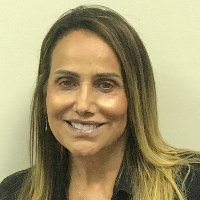
Cheryl Youngblood, LCSW, helps people manage stress, anger, anxiety, depression, and life transitions. She listens without judgment and focuses on practical steps people can use right away. Cheryl brings 12 years of clinical experience to each conversation and speaks with warmth and plain language.
She favors a client-centered style that keeps the person's goals in view. Sessions are conversational and geared toward immediate needs. Cheryl uses tools like breathing exercises, guided imagery, and mindfulness to help reduce reactivity and improve day-to-day functioning.
Background and approach
Her background includes long experience with trauma, domestic violence, caregiving stress, and adoption and foster care concerns. That history shaped an approach that pays attention to how past hurts influence present reactions. Cheryl helps people untangle family of origin issues, attachment wounds, and patterns such as codependency or control struggles.
She draws on cognitive behavioral techniques to challenge unhelpful thoughts and narrative therapy to reframe personal stories. Emotionally focused ideas guide work on closeness and intimacy-related struggles. Motivational interviewing supports people facing addiction or major life changes.
In sessions Cheryl aims to teach skills that can be used between meetings. She talks through concrete strategies for sleep, anger management, communication, and caregiver burnout. The tone is practical, hopeful, and direct, with a steady focus on small, usable changes.
What Cheryl works with
Everything Cheryl lists, in the therapist's own terms. Anger is the reason this directory exists; the rest tells you what usually sits alongside it in Cheryl's practice.
- Stress, Anxiety
- Family conflicts
- Trauma and abuse
- Depression
- Coping with life changes
- Addictions
- LGBT
- Relationship issues
- Intimacy-related issues
- Sleeping disorders
- Anger management
- Self esteem
- Career difficulties
- Coaching
- Compassion fatigue
- ADHD
- Abandonment
- Adoption and foster care
- Attachment issues
- Caregiver issues and stress
- Codependency
- Communication problems
- Control issues
- Divorce and separation
- Domestic violence
- Emptiness
- Family of origin issues
- Family problems
- Forgiveness
- Infidelity
- Isolation / loneliness
- Jealousy
- Life purpose
- Money and financial issues
- Narcissism
- Panic disorder and panic attacks
- Post-traumatic stress
- Self-love
- Social anxiety and phobia
- Women's issues
- Workplace issues
Approaches Cheryl lists
- Client-Centered Therapy
- Cognitive Behavioral Therapy (CBT)
- Emotionally-Focused Therapy (EFT)
- Motivational Interviewing
- Narrative Therapy
- Solution-Focused Therapy
Listing an approach is not evidence of training in it. This directory copies what each therapist names and does not check training records.
How Cheryl’s methods translate to online therapy
Cheryl commonly uses client-centered work and cognitive behavioral approaches in sessions. Client-centered therapy means the conversation follows the person’s pace and priorities, with the therapist listening and reflecting to help clarify goals and values. Cognitive behavioral therapy focuses on identifying unhelpful thoughts and testing small behavioral changes to reduce symptoms like anxiety, sleep disruption, and anger.She also uses emotionally focused ideas to help with relationship and intimacy-related problems. That approach helps people name their emotional responses and practice different ways of reaching for connection. Together the therapist and client decide which methods to try first, and they adjust the plan as progress is made so the work fits the client’s needs and preferences.
Online sessions are offered by video, phone, live chat, or text-based messaging to make therapy more convenient. Video calls allow face-to-face conversation and visual cues, phone sessions can fit into a shorter break or when bandwidth is limited, live chat works well for quick check-ins, and messaging supports ongoing reflection between meetings. These options make it easier to use the practical tools Cheryl teaches without changing daily routines.
Questions people ask about Cheryl
What concerns does Cheryl help with?
She works with stress, anxiety, anger, depression, addiction, relationship and intimacy issues, sleep problems, self-esteem, ADHD, and many family-related concerns.
What is her general therapy style?
Cheryl uses a client-centered, conversational approach that focuses on practical tools and present-day goals.
How much clinical experience does she have?
She has 12 years of experience working in clinical settings and community services.
What credentials and region are listed?
She is a licensed clinical social worker, LCSW, licensed in California.
Which languages are supported and can she see international clients?
Sessions are offered in English and she is not accepting international clients.
What session formats are available?
Sessions can be conducted by video calls, phone sessions, live chat, or text-based messaging.
How are costs handled?
Cost varies with location and therapist availability and services use a subscription that can be canceled at any time.
How do I start working with her?
Click the Start Therapy button, complete a short matching questionnaire, and then schedule according to therapist availability.