Works with
- Anger
- Addictions
- Relationship issues
- Trauma and abuse
- Parenting issues
- Anger management
How Clifford works
Practical facts
- Credentials
- LPC
- Licensed in
- Georgia
- Years in practice
- 25
- Languages
- English
- Session format
- Online, through our partner platform
About Clifford
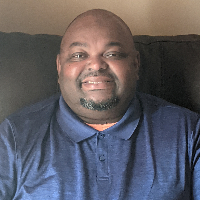
Clifford Hamilton is a Licensed Professional Counselor with 25 years of experience in counseling and psychology. He draws on a long career helping people navigate addiction, trauma, anger, and major life changes. Clifford works from Georgia and brings practical, plainspoken support to sessions.
He began his training with a Bachelor of Arts in Sociology and earned a Master of Education in Counseling and Psychology. Over the years he has worked with high-risk youth, people facing substance use concerns, and individuals with intellectual disabilities.
Background and approach
That background shapes a steady, experienced approach. Clifford favors methods rooted in cognitive behavioral ideas but uses a mix of approaches to match the person in front of him. In sessions he focuses on building skills for managing strong emotions, coping with stress, and improving relationships.
He helps people break down problems into clear, manageable steps. Many clients come for help with anger, addiction, anxiety, grief, or struggles around identity and self-esteem. Clifford also supports people dealing with parenting strain, career decisions, or life transitions.
He pays attention to cultural and life-context issues that matter to each person. Sessions are practical and goal oriented. Clifford helps set small, measurable goals and uses techniques to track progress.
He aims to make therapy straightforward and useful for everyday life.
What Clifford works with
Everything Clifford lists, in the therapist's own terms. Anger is the reason this directory exists; the rest tells you what usually sits alongside it in Clifford's practice.
- Addictions
- Relationship issues
- Trauma and abuse
- Parenting issues
- Anger management
- Stress, Anxiety
- LGBT
- Family conflicts
- Grief
- Self esteem
- Career difficulties
- Coping with life changes
- ADHD
- Abandonment
- Adoption and foster care
- Caregiver issues and stress
- Communication problems
- Disruptive Mood Dysregulation Disorder (DMDD)
- Domestic violence
- Drug and alcohol addiction
- Family problems
- Forgiveness
- Intellectual disability
- Jealousy
- Life purpose
- Men's issues
- Multicultural concerns
- Post-traumatic stress
- Prejudice and discrimination
- Self-harm
- Workplace issues
- Young adult issues
Approaches Clifford lists
- Client-Centered Therapy
- Cognitive Behavioral Therapy (CBT)
- Dialectical Behavior Therapy (DBT)
- Motivational Interviewing
- Solution-Focused Therapy
- Trauma-Focused Therapy
Listing an approach is not evidence of training in it. This directory copies what each therapist names and does not check training records.
How therapy approaches fit online care
Client-centered therapy focuses on listening and creating a respectful space where the person guides the conversation. It helps when someone needs understanding and support while they work out their own solutions. Cognitive Behavioral Therapy, or CBT, looks at the links between thoughts, feelings, and actions and teaches practical strategies to change unhelpful patterns; it is often used for anxiety, anger, and stress. Dialectical Behavior Therapy, or DBT, builds skills in emotion regulation, distress tolerance, and effective communication, which can be useful when emotions feel overwhelming.Finding the right mix of approaches is part of the process. Clifford will work together with each person to choose methods that match their goals, problems, and preferences. That collaborative process helps tailor the work whether someone needs short-term problem solving or longer-term skills practice.
Online sessions are offered as video calls, phone sessions, live chat, or text-based messaging to increase flexibility. Video calls are good for face-to-face conversation and skills practice. Phone sessions can fit a commute or a quick break, and they use less bandwidth. Live chat and text-based messaging allow brief check-ins, on-the-go reflection, or continued support between longer sessions. These options make it easier to fit therapy into a busy life.
Questions people ask about Clifford
What kinds of problems does Clifford address?
He helps people with addictions, anger, trauma and abuse, stress and anxiety, grief, self-esteem, career concerns, and life changes. The profile also notes work related to parenting, ADHD, LGBT concerns, and family problems.
What is his therapy style like?
Sessions focus on practical skills and clear goals. Clifford uses client-centered work combined with cognitive and behavioral techniques to help people change unhelpful patterns.
How much experience does he have?
He has 25 years of experience in counseling and psychology, including work with high-risk youth and people with substance use issues.
What credentials and location are listed?
Clifford holds the LPC credential and practices from Georgia.
Which languages are available for sessions?
Sessions are offered in English.
Can international clients work with him?
International clients are not currently accepted.
What formats are used for online sessions?
Sessions can be conducted by video call, phone, live chat, or text-based messaging to fit different needs and schedules.
How do I get started with therapy?
Click the Start Therapy button, complete a short matching questionnaire, and then schedule sessions based on therapist availability. The subscription used for sessions can be canceled at any time.