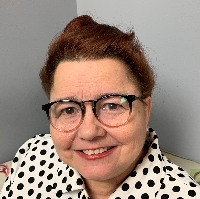
How Cynthia works
Practical facts
- Credentials
- LCSW
- Licensed in
- Illinois, Louisiana
- Years in practice
- 30
- Languages
- English
- Session format
- Online, through our partner platform
About Cynthia
Cynthia Wadsworth is a licensed clinical social worker with thirty years of experience. She begins by listening to each person's story and then helps them shape the changes they want to see. Cynthia keeps sessions focused and practical so people leave with clear next steps.
She centers work on the person's goals and strengths. Cynthia uses a client-centered approach and mixes methods to match each situation. Common reasons people come to her include stress, anxiety, grief, trauma, anger, and sleep problems.
Background and approach
Her background includes long experience with mood disorders, panic, bipolar concerns, and attention difficulties. She also supports people dealing with relationship and intimacy issues, adoption and foster care, attachment concerns, and complications from chronic illness. Cynthia is comfortable addressing topics such as fertility, gender dysphoria, HIV/AIDS, and kink-related matters when they come up.
In sessions she keeps language plain and practical. Conversations move from describing what feels hard now to setting small, achievable goals. She draws on mindfulness, psychodynamic ideas, attachment perspectives, and trauma-focused tools to help people manage strong emotions and shift patterns that no longer work.
Cynthia offers remote session formats that fit busy lives. Work with her is collaborative - she helps people weigh options and choose approaches that suit their needs and preferences.
What Cynthia works with
Everything Cynthia lists, in the therapist's own terms. Anger is the reason this directory exists; the rest tells you what usually sits alongside it in Cynthia's practice.
- Stress, Anxiety
- Trauma and abuse
- Grief
- Depression
- Coping with life changes
- LGBT
- Relationship issues
- Family conflicts
- Intimacy-related issues
- Sleeping disorders
- Parenting issues
- Anger management
- Self esteem
- Career difficulties
- Bipolar disorder
- Coaching
- Compassion fatigue
- ADHD
- Adoption and foster care
- Attachment issues
- BDSM, kink, and alternative sex culture
- Chronic pain, illness, and disability
- Coping with natural or human-caused disaster
- Family of origin issues
- Fertility issues
- Gender dysphoria
- HIV / AIDS
- Isolation / loneliness
- Mood disorders
- Panic disorder and panic attacks
- Polyamory / non-monogamous relationships
- Postpartum depression
- Seasonal Affective Disorder (SAD)
- Sexual assault and abuse
Approaches Cynthia lists
- Attachment-Based Therapy
- Client-Centered Therapy
- Eye Movement Desensitization and Reprocessing (EMDR)
- Mindfulness Therapy
- Psychodynamic Therapy
- Trauma-Focused Therapy
Listing an approach is not evidence of training in it. This directory copies what each therapist names and does not check training records.
Approaches that translate to online sessions
Attachment-Based Therapy looks at patterns in how people connect and trust others. It helps when past bonds affect current relationships and how someone handles strong emotions. Client-Centered Therapy centers the person's experience and priorities, with the therapist offering support and reflection rather than directing solutions. That style helps people feel heard and then make choices that fit their goals. Eye Movement Desensitization and Reprocessing, or EMDR, is a trauma-focused method that helps people process distressing memories and reduce the intensity of painful reactions.Finding the right approach is part of the work. The therapist will discuss goals, try methods that fit those goals, and adjust plans as progress is made. This is a collaborative process where the client’s preferences guide which tools are used.
Online therapy offers practical advantages. Video calls allow face-to-face conversation when visual cues matter. Phone sessions can be a good option when bandwidth is limited or a shorter check-in is needed. Live chat and text-based messaging let people write through thoughts, fit sessions into busy days, or follow up between meetings. These options make it easier to keep therapy consistent while balancing work, family, and other responsibilities.
Questions people ask about Cynthia
What concerns does Cynthia commonly address?
She works with stress, anxiety, depression, grief, trauma, anger, sleep issues, and related concerns such as parenting strain, ADHD, and career stress.
What is her therapeutic style like?
Her style is client-centered and solution-focused, with plain language and practical steps to reach goals. She adapts methods to each person's needs.
How much experience does she have?
Cynthia brings 30 years of clinical social work experience to her practice and has worked with a wide range of mood and trauma-related issues.
What credentials and location are listed?
She is an LCSW licensed in Illinois and also holds an LA LCSW credential; her practice is based in Illinois.
Which languages are used for sessions?
Sessions are offered in English only and international clients are not accepted at this time.
What session formats are available?
Therapy can be conducted via video calls, phone sessions, live chat, or text-based messaging to suit different schedules and preferences.
How are fees and payment handled?
Cost varies with location and therapist availability; sessions use a subscription model that can be canceled at any time.
How do I begin working with her?
Start by selecting the Start Therapy button, completing a short matching questionnaire, and then scheduling according to therapist availability.