How Danielle works
Practical facts
- Credentials
- LCSW
- Licensed in
- New York
- Years in practice
- 17
- Languages
- English
- Session format
- Online, through our partner platform
About Danielle
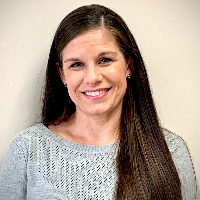
Danielle McDonald is a Licensed Clinical Social Worker (LCSW) based in New York with 17 years of clinical experience. She began her career after earning a Master of Social Work and has worked across inpatient and outpatient settings. Danielle brings practical experience in substance use counseling and general mental health care to her practice.
Her style is calm and collaborative. She focuses on building a straightforward working relationship based on listening, empathy, and gentle humor.
Background and approach
Danielle aims to help people feel heard and to map clear goals for change. Danielle commonly supports people dealing with stress, anxiety, depression, addictions, and anger. She also helps with relationship and family concerns, parenting stress, grief, trauma and abuse, career issues, and challenges related to ADHD.
Additional areas she addresses include communication problems, codependency, attachment issues, and coping with major life changes. In sessions she uses Client-Centered Therapy, Cognitive Behavioral Therapy (CBT), Emotionally-Focused Therapy (EFT), mindfulness techniques, and Motivational Interviewing. She adapts her approach to each person's needs and focuses on practical steps that fit daily life.
Sessions mix talking, skill-building, and short exercises when helpful. Danielle offers phone sessions, video calls, live chat, and text-based messaging to match different schedules. Her practice uses a subscription model that can be canceled at any time, and she works with people located in New York.
What Danielle works with
Everything Danielle lists, in the therapist's own terms. Anger is the reason this directory exists; the rest tells you what usually sits alongside it in Danielle's practice.
- Stress, Anxiety
- Addictions
- Self esteem
- Depression
- Coping with life changes
- LGBT
- Relationship issues
- Family conflicts
- Trauma and abuse
- Grief
- Parenting issues
- Anger management
- Career difficulties
- Compassion fatigue
- ADHD
- Attachment issues
- Blended family issues
- Co-morbidity
- Codependency
- Commitment issues
- Communication problems
- Control issues
- Coping with natural or human-caused disaster
- Dependent personality
- Divorce and separation
- Family problems
- Fatherhood issues
- First responder issues
- Forgiveness
- Guilt and shame
- Impulsivity
- Men's issues
- Veteran and Armed Forces Issues
- Money and financial issues
- Mood disorders
- Phobias
- Post-traumatic stress
- Pregnancy and childbirth
- Seasonal Affective Disorder (SAD)
- Smoking / vaping cessation
- Social anxiety and phobia
- Women's issues
- Workplace issues
- Young adult issues
Approaches Danielle lists
- Client-Centered Therapy
- Cognitive Behavioral Therapy (CBT)
- Emotionally-Focused Therapy (EFT)
- Mindfulness Therapy
- Motivational Interviewing
- Solution-Focused Therapy
Listing an approach is not evidence of training in it. This directory copies what each therapist names and does not check training records.
Approaches that guide online sessions
Client-Centered Therapy centers on the person's own goals and experiences. The therapist listens closely and helps people shape goals and choices that make sense for their life. Cognitive Behavioral Therapy (CBT) focuses on small, practical steps to change unhelpful thinking and behaviors. It often includes exercises and homework to try between sessions. Emotionally-Focused Therapy (EFT) helps people identify and name strong emotions and learn new ways to respond, which can ease relationship stress and intense reactions.Choosing the right approach is a team effort. The therapist will discuss your concerns, try initial techniques, and adapt plans based on what feels most useful. That collaborative process helps identify which methods fit your goals and pace.
Online therapy offers flexibility for different situations. Video calls allow face-to-face conversation when deeper contact is helpful. Phone sessions can be easier when bandwidth is limited or a quick check-in is needed. Live chat and text-based messaging make short updates or ongoing coaching possible without scheduling a full session. These options make it easier to fit regular work on stress, anger, or anxiety into a busy life.
Questions people ask about Danielle
What concerns does Danielle commonly address?
She works with stress, anxiety, depression, addictions, anger, and related issues such as grief, trauma, parenting stress, and career challenges.
How would you describe her therapy style?
Her approach is calm and collaborative, focused on listening, empathy, and practical steps. She uses a mix of talking, skill practice, and short exercises.
How much clinical experience does she have?
She has 17 years of experience working in inpatient and outpatient mental health and substance use settings.
What are her credentials and location?
She is a Licensed Clinical Social Worker (LCSW) practicing in New York.
Which languages are available for sessions?
Sessions are offered in English.
What session formats does she offer online?
She provides video calls, phone sessions, live chat, and text-based messaging to fit different needs and schedules.
How is cost handled for sessions?
Sessions use a subscription model that varies with location and therapist availability, and the subscription can be canceled at any time.
What are the first steps to begin working together?
Start by selecting the Start Therapy button, completing a short matching questionnaire, and then scheduling based on the therapist's availability.