Works with
- Anger
- Stress, Anxiety
- Addictions
- Relationship issues
- Family conflicts
- Depression
How Darrell works
Practical facts
- Credentials
- LMHC
- Licensed in
- Florida
- Years in practice
- 9
- Languages
- English
- Session format
- Online, through our partner platform
About Darrell
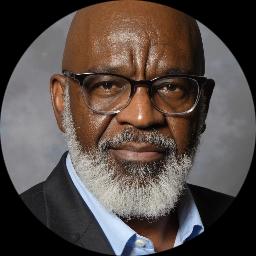
Darrell Patterson is a Licensed Mental Health Counselor (LMHC) based in Florida with nine years of clinical work. He began his career after a prior life in the U.S. Army and roles in business and corporate training.
That mix of experiences led him to counseling and a master’s degree in counseling and psychology from Palm Beach Atlantic University. He focuses on helping people who feel stuck by anxiety, depression, addiction, anger, grief, and major life changes.
Background and approach
He uses straightforward, practical talking and problem-solving in sessions. Darrell emphasizes a trusting relationship and unconditional positive regard as the starting place for change. He aims to help people rebuild clearer, less painful stories about themselves and their lives.
In sessions he draws on Client-Centered methods to follow each person’s lead and Attachment-Based ideas to look at how early relationships shape current reactions. He also uses Cognitive Behavioral Therapy to identify unhelpful thoughts and test new behaviors. Motivational Interviewing and solution-focused techniques appear when people need short-term momentum or help making changes.
Darrell welcomes work on parenting stress, family problems, communication struggles, impulse control, addiction concerns, and caregiving fatigue. He also supports men facing midlife questions, fatherhood challenges, and questions about life purpose. People who prefer clear steps, respectful conversation, and a collaborative plan tend to fit well with his style.
Sessions aim to teach practical skills, shift patterns that cause distress, and build coping strategies that can be used day to day.
What Darrell works with
Everything Darrell lists, in the therapist's own terms. Anger is the reason this directory exists; the rest tells you what usually sits alongside it in Darrell's practice.
- Stress, Anxiety
- Addictions
- Relationship issues
- Family conflicts
- Depression
- Trauma and abuse
- Grief
- Parenting issues
- Anger management
- Self esteem
- Bipolar disorder
- Coping with life changes
- Compassion fatigue
- ADHD
- Abandonment
- Aging and geriatric issues
- Codependency
- Communication problems
- Control issues
- Divorce and separation
- Drug and alcohol addiction
- Family problems
- Fatherhood issues
- Forgiveness
- Impulsivity
- Infidelity
- Life purpose
- Men's issues
- Midlife crisis
- Veteran and Armed Forces Issues
- Mood disorders
- Multicultural concerns
- Prejudice and discrimination
- Process addiction (porn, exercise, gambling)
- Social anxiety and phobia
- Young adult issues
Approaches Darrell lists
- Attachment-Based Therapy
- Client-Centered Therapy
- Cognitive Behavioral Therapy (CBT)
- Emotionally-Focused Therapy (EFT)
- Motivational Interviewing
- Solution-Focused Therapy
Listing an approach is not evidence of training in it. This directory copies what each therapist names and does not check training records.
Therapeutic approaches and online care
Darrell commonly uses Client-Centered Therapy and Cognitive Behavioral Therapy when working with people online. Client-Centered Therapy focuses on listening carefully, following the person’s lead, and offering acceptance so someone can explore feelings and priorities. Cognitive Behavioral Therapy helps identify unhelpful thoughts and test new behaviors that reduce anxiety, anger, and low mood.He also incorporates Attachment-Based ideas to understand how early relationships affect current patterns. That can help when anger, trust, or repeated relationship problems keep coming up. Choosing the right approach is a shared process; he will work with each person to match methods to their needs, goals, and preferences rather than applying a single technique to everyone.
Online sessions are offered as video calls, phone sessions, live chat, or text-based messaging to make care more flexible. Video lets people work face to face when needed, phone sessions require less bandwidth, and chat or messaging can fit shorter check-ins or busy schedules. These options help people fit therapy into work, caregiving, and other daily routines while keeping the focus on practical change and skill building.
Questions people ask about Darrell
What kinds of problems does he address?
He works with stress, anxiety, depression, addictions, anger, grief, relationship and family concerns, ADHD, bipolar issues, trauma and related difficulties.
How would you describe his therapy style?
His approach is collaborative and practical, using respectful listening, clear steps, and goal-focused work to reduce distress and build new habits.
What is his background and experience?
He has nine years of clinical experience and a master’s degree in counseling and psychology, plus earlier careers in the U.S. Army and corporate training.
What are his credentials and where is he located?
He is a Licensed Mental Health Counselor, FL LMHC, and practices in Florida.
Which languages are supported for sessions?
Sessions are offered in English only and international clients are not currently accepted.
What session formats are offered?
Work can happen by video calls, phone sessions, live chat, or text-based messaging depending on what fits the person best.
How are costs handled for sessions?
Cost varies with location and therapist availability; sessions use a subscription model that can be canceled at any time.
How do I start therapy with him?
Begin by selecting the Start Therapy button, complete a short matching questionnaire, and schedule sessions according to the therapist's availability.