Works with
- Anger
- LGBT
- Family conflicts
- Trauma and abuse
- Grief
- Depression
How David works
Practical facts
- Credentials
- LMFT, LMHC
- Licensed in
- Florida
- Years in practice
- 7
- Languages
- English
- Session format
- Online, through our partner platform
About David
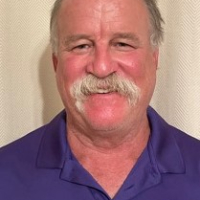
David Jedrziewski is a licensed marriage and family therapist and a licensed mental health counselor in Florida. He takes a straightforward, warm approach and focuses on building a strong therapeutic relationship. David centers respect and compassion in sessions and avoids stigmatizing labels when talking about struggles like anger, grief, or anxiety.
David uses a client-centered foundation and adds tools from other approaches to match each person’s needs. He draws on cognitive behavioral ideas to change unhelpful thoughts and behaviors.
Background and approach
He also uses dialectical behavior techniques to help with emotional regulation and attachment-based ideas to improve close relationships. He has a long history doing grief, loss, and trauma work and brings seven years of formal experience as an LMFT and LMHC in Florida. He has also worked with military-connected people and has experience addressing PTSD, acute stress, and compassion fatigue.
His background includes work with a wide range of concerns such as parenting strain, relationship and intimacy issues, ADHD, and anger. Sessions with David tend to be interactive and practical. He helps people identify specific goals, practice new skills, and try small changes between meetings.
He emphasizes collaboration and tailors plans to what each person actually needs right now. To begin, David asks about your goals and what’s getting in the way. From there he helps create a step-by-step plan that fits your life and timing, aiming to help you feel more in control and move toward healthier patterns.
What David works with
Everything David lists, in the therapist's own terms. Anger is the reason this directory exists; the rest tells you what usually sits alongside it in David's practice.
- LGBT
- Family conflicts
- Trauma and abuse
- Grief
- Depression
- Stress, Anxiety
- Relationship issues
- Intimacy-related issues
- Sleeping disorders
- Parenting issues
- Anger management
- Self esteem
- Career difficulties
- Coping with life changes
- Coaching
- Compassion fatigue
- ADHD
- Abandonment
- Blended family issues
- Body image
- Caregiver issues and stress
- Co-morbidity
- Commitment issues
- Communication problems
- Coping with natural or human-caused disaster
- Divorce and separation
- Domestic violence
- Family of origin issues
- First responder issues
- Forgiveness
- Gender dysphoria
- Guilt and shame
- Hospice and end-of-life counseling
- Infidelity
- Isolation / loneliness
- Life purpose
- Veteran and Armed Forces Issues
- Mood disorders
- Panic disorder and panic attacks
- Personality disorders
- Polyamory / non-monogamous relationships
- Post-traumatic stress
- Prejudice and discrimination
- Process addiction (porn, exercise, gambling)
- Self-harm
- Self-love
- Sex addiction
- Sexual assault and abuse
- Sexuality
- Traumatic brain injury
Approaches David lists
- Attachment-Based Therapy
- Client-Centered Therapy
- Cognitive Behavioral Therapy (CBT)
- Dialectical Behavior Therapy (DBT)
- Emotionally-Focused Therapy (EFT)
- Mindfulness Therapy
- Narrative Therapy
- Solution-Focused Therapy
- Trauma-Focused Therapy
Listing an approach is not evidence of training in it. This directory copies what each therapist names and does not check training records.
Approach and online options for working through strong emotions
David blends client-centered work with targeted techniques from Cognitive Behavioral Therapy and Emotionally-Focused Therapy. CBT helps people notice and change unhelpful thoughts and behaviors that keep anger and anxiety alive. Emotionally-Focused Therapy focuses on patterns in relationships and helps people name and change interaction cycles that fuel conflict and distance.Finding the right approach is part of the process. The therapist will work collaboratively to choose methods that match your goals and preferences. Together you will test techniques and adjust the plan based on what helps you feel safer, calmer, and more effective in everyday situations.
Online therapy offers practical flexibility. Video calls allow face-to-face work when interaction and nonverbal cues matter. Phone sessions can be shorter check-ins or a good option when bandwidth is limited. Live chat and text-based messaging let you share thoughts between sessions and get quick coaching on skills as situations arise. These formats make it easier to fit therapy into work, caregiving, or travel schedules while keeping focus on progress and skill building.
Questions people ask about David
What kinds of problems does he help with?
He works with many concerns including anger, grief, trauma and abuse, depression, anxiety, relationship and intimacy issues, stress, sleeping problems, parenting strain, and self-esteem.
What is his therapeutic style like?
He uses a client-centered style that is warm and interactive, adding techniques from CBT and DBT as needed to teach skills and manage emotions.
What is his professional background?
He holds dual licenses as a licensed marriage and family therapist and a licensed mental health counselor and has seven years of experience in his current roles.
Where is he based and licensed?
He is licensed in Florida as an LMFT and an LMHC and practices from that state.
Which languages are supported for sessions?
Sessions are offered in English and he accepts international clients.
How are sessions delivered?
He provides therapy through video calls, phone sessions, live chat, and text-based messaging to fit different preferences and schedules.
How much do sessions cost?
Cost varies with location and therapist availability; sessions use a subscription that can be canceled at any time.
How do I get started with him?
Click the Start Therapy button, complete a short matching questionnaire, and then schedule sessions according to the therapist's availability.