Works with
- Anger
- Stress, Anxiety
- Addictions
- Anger management
- Bipolar disorder
- Depression
How David works
- Not listed
Practical facts
- Credentials
- LMFT
- Licensed in
- California
- Years in practice
- 4
- Languages
- English
- Session format
- Online, through our partner platform
About David
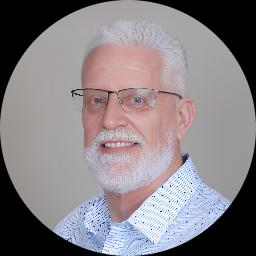
David Plumb is a licensed marriage and family therapist (LMFT) based in California. He helps people who are overwhelmed by stress, anxiety, anger, depression, bipolar concerns, or struggles with addiction. He uses straightforward conversation and practical steps to help clients feel more in control.
David draws on four years of post-graduate therapy experience plus many more years doing counseling and case management for people affected by addiction. That background means he is used to working with the ripple effects of substance problems, such as communication breakdowns and guilt.
Background and approach
Sessions focus on clear goals and steady progress rather than jargon. In the room he aims to build calm and practical routines. He helps people identify triggers, try small behavior changes, and practice new ways of responding under stress.
He also addresses isolation, social anxiety, and questions about life purpose in direct, attainable ways. David emphasizes resilience and rebuilding relationships when that is a goal. He supports people who feel stuck or ashamed and helps them find practical steps forward.
Conversations often include planning, role practice, and tracking small wins. He stays committed to ongoing learning and brings that to each client interaction. People who want clear guidance, steady pacing, and a focus on everyday changes may find his style a good match.
What David works with
Everything David lists, in the therapist's own terms. Anger is the reason this directory exists; the rest tells you what usually sits alongside it in David's practice.
Approaches that guide online sessions
David uses evidence-based therapeutic techniques focused on practical change. One common approach includes behavioral strategies that break big problems into small, doable steps; these help with anger, anxiety, and addiction by changing reactions and daily routines. Another approach emphasizes skills training for communication and emotion management, teaching short practices to reduce reactivity and improve conversations.Choosing the right approach is a collaborative process. The therapist will work with each person to match techniques to their goals and preferences, checking in and adjusting as progress is made. Clients set priorities and try methods that fit their life, then review what helps most.
Online therapy offers flexibility that suits many schedules and needs. Video calls let people work face-to-face from a chosen location. Phone sessions can be easier when bandwidth is limited or a quick check-in is needed. Live chat and text-based messaging allow shorter exchanges, ongoing support between sessions, and a way to process thoughts when typing feels best. These options make it simpler to keep consistent work on anger, stress, and addiction recovery while balancing daily life.
Questions people ask about David
What concerns does he address?
He helps people with stress, anxiety, anger, depression, bipolar concerns, and addiction. He also supports issues like communication problems, guilt, loneliness, life purpose, and social anxiety.
What is his therapeutic style?
He uses plain language and practical steps in sessions. The focus is on identifying triggers, trying small behavior changes, and tracking progress.
How much experience does he have?
He has four years of post-graduate therapy experience. He also has about 15 years of prior counseling and case management work related to addiction support.
What are his credentials and where is he based?
He is a licensed marriage and family therapist, LMFT, registered in California. His practice is located in California.
Which languages are supported?
Sessions are offered in English.
What formats are available for sessions?
He provides video calls, phone sessions, live chat, and text-based messaging. These options let people choose what fits their schedule and comfort.
How does pricing work?
Cost varies with location and therapist availability. Sessions use a subscription model that can be canceled at any time.
How do I begin working with him?
Click the Start Therapy button, complete a short matching questionnaire, and then schedule according to the therapist's availability.