Works with
How David works
Practical facts
- Credentials
- LCSW
- Licensed in
- Florida
- Years in practice
- 14
- Languages
- English
- Session format
- Online, through our partner platform
About David
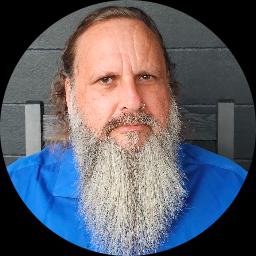
David Potts is a Licensed Clinical Social Worker with 14 years of experience helping people manage stress, anger, anxiety, grief, depression, and life transitions. He practices in Florida and works with adults, young adults, and teens. David keeps a direct, compassionate style and focuses on practical steps people can use right away.
He draws on cognitive behavioral techniques to help people notice and change unhelpful thinking and habits. He also uses dialectical behavior therapy skills to teach emotional regulation and distress tolerance.
Background and approach
Mindfulness and elements of emotionally-focused and existential work help clients connect with values and meaning during hard times. David has experience in outpatient and residential settings and has supported people with addictions, bipolar disorder, ADHD, trauma, and long-term mental health conditions.
He has worked with teens who faced abandonment, loss, or histories of abuse, and with adults coping with relationship and parenting strains. His practice addresses many practical concerns such as sleep problems, career stress, and motivation. Sessions are collaborative and goal oriented.
He helps people identify root causes while also setting small, achievable steps for change. David emphasizes progress rather than perfection and adapts methods to fit each person's needs. Many people find his approach straightforward and steady.
He invites those ready to try therapy to start with a short matching questionnaire and schedule a first session to see how the work might help.
What David works with
Everything David lists, in the therapist's own terms. Anger is the reason this directory exists; the rest tells you what usually sits alongside it in David's practice.
- Stress, Anxiety
- Trauma and abuse
- Grief
- Self esteem
- Depression
- Addictions
- Relationship issues
- Family conflicts
- Intimacy-related issues
- Sleeping disorders
- Parenting issues
- Anger management
- Career difficulties
- Bipolar disorder
- Coping with life changes
- Compassion fatigue
- ADHD
- Abandonment
- Adoption and foster care
- Antisocial personality
- Attachment issues
- Autism and Asperger Syndrome
- Avoidant personality
- BDSM, kink, and alternative sex culture
- Caregiver issues and stress
- Codependency
- Commitment issues
- Communication problems
- Divorce and separation
- Domestic violence
- Drug and alcohol addiction
- Emptiness
- Family of origin issues
- Family problems
- Fatherhood issues
- Forgiveness
- Guilt and shame
- Impulsivity
- Infidelity
- Isolation / loneliness
- Life purpose
- Men's issues
- Midlife crisis
- Money and financial issues
- Mood disorders
- Multicultural concerns
- Narcissism
- Obsessions, compulsions, and OCD
- Panic disorder and panic attacks
- Paranoia
- Personality disorders
- Phobias
- Polyamory / non-monogamous relationships
- Post-traumatic stress
- Seasonal Affective Disorder (SAD)
- Self-harm
- Self-love
- Sexuality
- Social anxiety and phobia
- Workplace issues
- Young adult issues
Approaches David lists
- Cognitive Behavioral Therapy (CBT)
- Dialectical Behavior Therapy (DBT)
- Emotionally-Focused Therapy (EFT)
- Existential Therapy
- Mindfulness Therapy
- Motivational Interviewing
- Solution-Focused Therapy
- Trauma-Focused Therapy
Listing an approach is not evidence of training in it. This directory copies what each therapist names and does not check training records.
Therapeutic approaches you can use online
David often uses cognitive behavioral therapy to help people identify patterns of thinking and behavior that increase stress, anger, or depression, then practice small changes that reduce those problems. He also draws on dialectical behavior therapy skills to teach emotion regulation, mindfulness, and ways to tolerate distress when feelings feel overwhelming.Choosing the right approach is part of therapy. He works together with each person to match methods to their goals, symptoms, and what feels most useful. That collaborative process may combine techniques and change over time as needs shift.
Online sessions are offered via video calls, phone sessions, live chat, or text-based messaging to give practical flexibility. Video lets people use visual cues and longer conversations. Phone sessions can be a good fit when bandwidth is limited or for a shorter check-in. Live chat and text are useful for quick updates, tracking progress, or working between sessions. These options make it easier to fit therapy into work, school, or family schedules while staying focused on achievable change.
Questions people ask about David
What concerns does he address?
He helps people with stress, anxiety, anger, depression, grief, addictions, parenting challenges, relationship and intimacy issues, ADHD, bipolar disorder, trauma and many life changes.
How would you describe his therapeutic style?
His approach is open and engaging with a focus on practical steps. He aims for steady progress and adapts techniques to the person's needs.
What background and experience does he have?
He has 14 years of clinical experience and has worked in outpatient and residential settings supporting people facing severe and persistent mental health challenges and addiction.
What are his credentials and location?
He is a Licensed Clinical Social Worker, LCSW, licensed in Florida and practices from that region.
Which languages and international clients are supported?
Sessions are offered in English and he accepts clients from outside the United States.
What session formats are available?
He offers video calls, phone sessions, live chat, and text-based messaging to fit different schedules and needs.
How does cost and payment work?
Cost varies with location and therapist availability; sessions use a subscription model that can be canceled at any time.
How do I begin working with him?
Start by selecting the Start Therapy button, complete a short matching questionnaire, and then schedule your first session according to therapist availability.