Works with
- Anger
- Addictions
- Relationship issues
- Family conflicts
- Depression
- Coaching
How DeAnna works
Practical facts
- Credentials
- LCPC
- Licensed in
- Illinois
- Years in practice
- 27
- Languages
- English
- Session format
- Online, through our partner platform
About DeAnna
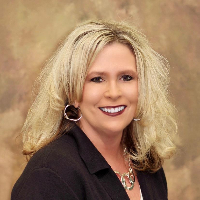
Dr. DeAnna Brookhart is a Licensed Clinical Professional Counselor (LCPC) based in Illinois. She brings 27 years of clinical experience to her work and focuses on practical, person-centered care.
She helps people address issues such as anger, addiction, anxiety, depression, relationship struggles, and parenting stress. She favors a client-centered style that starts with listening and understanding each person's goals. From there she uses solution-focused techniques and cognitive behavioral tools to build skills people can use between sessions.
Background and approach
Motivational interviewing also features in her work when people are weighing change or facing substance use concerns. Her years in community mental health and independent practice shaped an approach that looks at mind, body, emotions, and social life together. She talks with clients about concrete steps to reduce stress, manage anger, and improve communication.
Sessions often include short exercises, practical strategies, and real-world problem solving. Dr. Brookhart supports people through grief, trauma, workplace stress, and transitions like separation or career change.
She also helps with issues around intimacy, self-esteem, bipolar mood management, and compassion fatigue. Her experience includes helping people cope with complex situations such as co-occurring conditions and caregiving strain. Outside of clinical work she enjoys cooking, reading, family time, and beach travel.
She encourages a steady, courageous step toward change and focuses on helping people find clearer choices in their lives.
What DeAnna works with
Everything DeAnna lists, in the therapist's own terms. Anger is the reason this directory exists; the rest tells you what usually sits alongside it in DeAnna's practice.
- Addictions
- Relationship issues
- Family conflicts
- Depression
- Coaching
- Stress, Anxiety
- LGBT
- Trauma and abuse
- Grief
- Intimacy-related issues
- Parenting issues
- Anger management
- Self esteem
- Career difficulties
- Bipolar disorder
- Coping with life changes
- Compassion fatigue
- Abandonment
- Aging and geriatric issues
- Antisocial personality
- Blended family issues
- Body image
- Caregiver issues and stress
- Co-morbidity
- Codependency
- Commitment issues
- Communication problems
- Control issues
- Coping with natural or human-caused disaster
- Dependent personality
- Divorce and separation
- Domestic violence
- Drug and alcohol addiction
- Family problems
- First responder issues
- Guilt and shame
- HIV / AIDS
- Hospice and end-of-life counseling
- Infidelity
- Jealousy
- Life purpose
- Men's issues
- Midlife crisis
- Mood disorders
- Panic disorder and panic attacks
- Personality disorders
- Post-traumatic stress
- Prejudice and discrimination
- Process addiction (porn, exercise, gambling)
- Self-harm
- Self-love
- Sex addiction
- Sexual assault and abuse
- Sexuality
- Women's issues
- Workplace issues
- Young adult issues
Approaches DeAnna lists
- Client-Centered Therapy
- Cognitive Behavioral Therapy (CBT)
- Motivational Interviewing
- Solution-Focused Therapy
Listing an approach is not evidence of training in it. This directory copies what each therapist names and does not check training records.
Approaches that fit online work and real-life goals
Client-centered therapy focuses on the person's experience and goals, with the therapist listening closely and helping the client set the direction of treatment. This style helps people who want a supportive space to sort out priorities and make changes at their own pace.Cognitive Behavioral Therapy (CBT) teaches clear skills to challenge unhelpful thoughts and change behaviors. It is useful for anxiety, depression, anger management, and stress because it breaks problems into specific patterns that can be practiced and adjusted between sessions.
Motivational Interviewing supports people who feel uncertain about change by exploring ambivalence and strengthening personal motivation. It pairs well with work on addictions and health behavior changes where making a plan can feel overwhelming.
Finding the right approach is part of therapy. The therapist will collaborate with each person to choose methods that match their goals, needs, and comfort level. That process can shift over time as progress is made and new priorities appear.
Online sessions can include video calls, phone sessions, live chat, or text-based messaging to fit different days and schedules. Video is helpful for deeper conversations and skill practice, phone sessions can work when bandwidth or hands-free convenience matters, and chat or messaging suit brief check-ins or weekly homework. These options make it easier to keep continuity of care while balancing work, family, and travel.
Questions people ask about DeAnna
What concerns does this therapist commonly help with?
She helps people with anger, addictions, anxiety, depression, relationship and family issues, grief, trauma, parenting stress, self-esteem, and career concerns.
What is the therapist's general approach in sessions?
Sessions begin with listening and understanding each person's goals, then use client-centered, solution-focused, and cognitive behavioral methods to build practical skills and short-term plans.
How much clinical experience does she have?
She has 27 years of experience working in community mental health and independent practice settings.
What credentials and location are listed for this therapist?
The therapist holds an LCPC credential and practices in Illinois.
Which languages are supported for sessions?
Sessions are offered in English.
What session formats are available online?
Work can take place via video calls, phone sessions, live chat, or text-based messaging depending on client preference.
How is cost handled for sessions?
Cost varies with location and therapist availability; sessions use a subscription that can be canceled at any time.
How do I begin working with this therapist?
Start by selecting the Start Therapy button, complete a short matching questionnaire, and schedule sessions according to the therapist's availability.