Works with
- Anger
- Stress, Anxiety
- Anger management
- Depression
- Coping with life changes
- ADHD
How DeBora works
Practical facts
- Credentials
- LPC
- Licensed in
- Oklahoma
- Years in practice
- 3
- Languages
- English
- Session format
- Online, through our partner platform
About DeBora
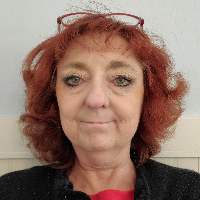
DeBora Turpin is a Licensed Professional Counselor (LPC) who helps people manage stress, anxiety, anger, and depression. She guides clients who are coping with life changes, ADHD, addictions, relationship and family concerns, trauma, and related struggles. Her work focuses on practical steps people can use right away to feel better and move forward.
She uses clear, goal-focused strategies to change unhelpful thinking and behavior patterns. That can include learning breathing and grounding techniques, trying structured problem solving, or practicing new ways to respond in tense moments.
Background and approach
She prefers straightforward conversations and measurable progress rather than long abstract talk. Turpin draws on a mix of approaches based on each person’s needs. She may use cognitive behavioral tools to shift thoughts and actions, EMDR methods for trauma processing, and mindfulness practices to reduce reactivity.
She also incorporates relationship-focused tools when communication or trust are central concerns. Her personal experience raising a family and overcoming hardship informs her work. She emphasizes building a simple, realistic plan clients can follow between sessions.
Many people come to her wanting a blueprint to reduce angry reactions, handle stress better, or regain direction in life. DeBora aims to help people notice strengths they already have and use those strengths to reach goals. She encourages practical, achievable steps and celebrates small wins along the way.
What DeBora works with
Everything DeBora lists, in the therapist's own terms. Anger is the reason this directory exists; the rest tells you what usually sits alongside it in DeBora's practice.
- Stress, Anxiety
- Anger management
- Depression
- Coping with life changes
- ADHD
- Addictions
- Relationship issues
- Family conflicts
- Trauma and abuse
- Bipolar disorder
- Coaching
- Abandonment
- Cancer
- Caregiver issues and stress
- Chronic pain, illness, and disability
- Co-morbidity
- Communication problems
- Control issues
- Dissociation
- Family of origin issues
- Family problems
- Forgiveness
- Guilt and shame
- Infidelity
- Life purpose
- Obsessions, compulsions, and OCD
- Panic disorder and panic attacks
- Phobias
- Postpartum depression
- Post-traumatic stress
- Process addiction (porn, exercise, gambling)
- Seasonal Affective Disorder (SAD)
- Self-love
- Smoking / vaping cessation
- Social anxiety and phobia
- Trichotillomania
- Workplace issues
Approaches DeBora lists
- Cognitive Behavioral Therapy (CBT)
- Eye Movement Desensitization and Reprocessing (EMDR)
- Gottman Method
- Hypnotherapy
- Mindfulness Therapy
- Solution-Focused Therapy
Listing an approach is not evidence of training in it. This directory copies what each therapist names and does not check training records.
How her approaches fit into online therapy
DeBora often uses Cognitive Behavioral Therapy to help people notice and change thought patterns that lead to anger and anxiety. CBT focuses on practical exercises, homework, and small behavior changes that can reduce symptoms and improve day-to-day functioning.She also uses Eye Movement Desensitization and Reprocessing to address trauma memories and intense reactions. EMDR involves guided processing of distressing memories and can help reduce the emotional charge those memories carry, which often lowers reactivity and improves sleep and focus.
Finding the right approach is part of the work. The therapist collaborates with each person to pick methods that match their needs, goals, and comfort level. She adjusts techniques over time based on what helps most and encourages clients to give feedback at every step.
Online therapy offers practical flexibility. Video calls let the therapist observe body language during role plays or breathing work. Phone sessions are useful for quick check-ins and when lower bandwidth is needed. Live chat and text-based messaging can support ongoing coaching, homework review, and short coping prompts between longer sessions. These options make it easier to fit therapy into busy schedules and to keep momentum between appointments.
Questions people ask about DeBora
What concerns does she help with?
She supports people dealing with stress, anxiety, anger, depression, trauma, addictions, ADHD, bipolar concerns, and relationship or family issues.
How does she approach therapy?
The approach is practical and goal focused, using skill practice, breathing and grounding work, and structured problem solving to reduce reactivity and improve daily coping.
What is her professional background?
She is a Licensed Professional Counselor with three years of clinical experience and personal experience navigating family and life challenges.
Where is her practice based?
She is located in Oklahoma and holds an OK LPC credential as listed.
Does she work with people who live outside the country?
Yes, she accepts international clients and offers services to people outside the United States.
What session formats are available?
Sessions can be conducted by video calls, phone sessions, live chat, or text-based messaging to fit different schedules and needs.
How does payment and cost work?
Cost varies with location and therapist availability; sessions are provided through a subscription that can be canceled at any time.
How do I begin working with her?
Begin by selecting the Start Therapy button, completing a short matching questionnaire, and then scheduling according to therapist availability.