Works with
- Anger
- Stress, Anxiety
- Trauma and abuse
- Anger management
- Depression
- Coping with life changes
How Deborah works
Practical facts
- Credentials
- LMHC
- Licensed in
- Florida
- Years in practice
- 34
- Languages
- English
- Session format
- Online, through our partner platform
About Deborah
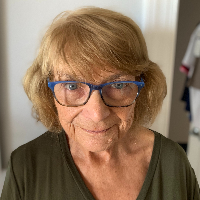
Deborah Hilyard is a Licensed Mental Health Counselor with 34 years of experience in Florida. She earned her master's degree in counseling from the University of Memphis in 1988 and has spent decades helping people through major life stressors. Deborah brings a calm, respectful presence to sessions and focuses on practical, workable steps.
Her background includes work in university career counseling and programs for service members transitioning out of the military.
Background and approach
She provided mental health counseling in military family centers and later completed assessments within the foster care system. She has supported people affected by emotional, physical, and sexual abuse and has worked with a wide range of concerns, including anger and trauma. Deborah uses a warm, interactive style that avoids stigmatizing labels.
She draws on client-centered listening and cognitive-behavioral techniques to tailor conversations and plans to each person. Mindfulness and motivational interviewing also appear in her approach when they fit a client's needs. Clients can expect straightforward talk about what is causing distress and specific steps to try between sessions.
She also helps with parenting challenges, career stress, relationship concerns, grief, sleep and eating problems, and issues related to caregiving and aging. Deborah emphasizes collaboration. She invites people who are ready to make a change to take small, manageable steps toward better functioning.
Her work aims to empower clients to regain more control and move forward from difficult experiences.
What Deborah works with
Everything Deborah lists, in the therapist's own terms. Anger is the reason this directory exists; the rest tells you what usually sits alongside it in Deborah's practice.
- Stress, Anxiety
- Trauma and abuse
- Anger management
- Depression
- Coping with life changes
- Addictions
- LGBT
- Relationship issues
- Family conflicts
- Grief
- Intimacy-related issues
- Eating disorders
- Sleeping disorders
- Parenting issues
- Self esteem
- Career difficulties
- Bipolar disorder
- Coaching
- Compassion fatigue
- ADHD
- Abandonment
- Adoption and foster care
- Aging and geriatric issues
- Attachment issues
- Blended family issues
- Caregiver issues and stress
- Codependency
- Commitment issues
- Communication problems
- Control issues
- Coping with natural or human-caused disaster
- Dependent personality
- Dissociation
- Divorce and separation
- Domestic violence
- Eating and food-related issues
- Emptiness
- Family of origin issues
- Family problems
- Fatherhood issues
- Fertility issues
- First responder issues
- Forgiveness
- Guilt and shame
- Hospice and end-of-life counseling
- Impulsivity
- Infidelity
- Isolation / loneliness
- Jealousy
- Veteran and Armed Forces Issues
- Mood disorders
- Narcissism
- Obsessions, compulsions, and OCD
- Panic disorder and panic attacks
- Personality disorders
- Phobias
- Polyamory / non-monogamous relationships
- Postpartum depression
- Post-traumatic stress
- Prejudice and discrimination
- Seasonal Affective Disorder (SAD)
- Self-harm
- Self-love
- Sexual assault and abuse
- Social anxiety and phobia
- Traumatic brain injury
- Women's issues
- Workplace issues
- Young adult issues
Approaches Deborah lists
- Client-Centered Therapy
- Cognitive Behavioral Therapy (CBT)
- Eye Movement Desensitization and Reprocessing (EMDR)
- Mindfulness Therapy
- Motivational Interviewing
- Psychodynamic Therapy
- Solution-Focused Therapy
- Trauma-Focused Therapy
Listing an approach is not evidence of training in it. This directory copies what each therapist names and does not check training records.
Approaches that guide online sessions
Client-centered therapy focuses on listening closely and following the person's lead. The therapist creates space for someone to talk about what matters most and then helps set goals based on the client's priorities. Cognitive Behavioral Therapy, or CBT, looks at thoughts and behaviors that keep problems going. It uses practical exercises and small experiments to change unhelpful thinking and develop healthier habits, which can help with anxiety, anger, and mood problems. EMDR, Eye Movement Desensitization and Reprocessing, helps people process disturbing memories. It can be used when past events still cause strong reactions, and it often involves brief memory-focused exercises guided by the therapist. Finding the right approach is part of the work together. The therapist will discuss options and adapt methods based on the client's goals, symptoms, and comfort level. That collaborative process helps shape a plan that feels doable. Online sessions offer flexibility and easier access to care. Video calls let people meet face-to-face without traveling. Phone sessions can work when bandwidth is limited or when someone prefers not to be on camera. Live chat and text-based messaging are useful for brief check-ins, step-by-step homework support, or shorter conversations between longer sessions.Questions people ask about Deborah
What kinds of concerns does Deborah address?
She helps people with stress, anxiety, anger, depression, trauma and abuse, addictions, grief, relationship and family issues, parenting challenges, sleep and eating problems, and caregiving or aging concerns.
What is her therapeutic style like?
Her style is warm and interactive, focused on respectful listening and practical steps. Sessions typically combine client-centered conversation with cognitive strategies and mindfulness when useful.
How much experience does she have?
She has 34 years of experience working in counseling roles, including university career counseling, military family centers, foster care assessments, and community mental health settings.
What credentials and region are listed?
She is a Licensed Mental Health Counselor - FL LMHC - and practices in Florida.
Can sessions be conducted in other languages or internationally?
Sessions are offered in English, and she is not accepting international clients.
Which session formats are available?
She offers video calls, phone sessions, live chat, and text-based messaging as ways to meet with a therapist.
How much do sessions cost?
Cost varies with location and therapist availability; sessions use a subscription that can be canceled at any time.
How do I begin working with her?
Click the Start Therapy button, complete a short matching questionnaire, and schedule sessions according to the therapist's availability.