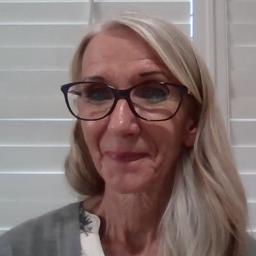
Dr. Deborah Kay Thompson, LMFT
Kind, practical therapy for anger and relationships
Book with DeborahWorks with
- Anger
- Stress, Anxiety
- Addictions
- Relationship issues
- Trauma and abuse
- Depression
How Deborah works
Practical facts
- Credentials
- LMFT
- Licensed in
- Colorado
- Years in practice
- 23
- Languages
- English
- Session format
- Online, through our partner platform
About Deborah
Dr. Deborah Kay Thompson is a Licensed Marriage and Family Therapist (LMFT) with 23 years of clinical experience. She focuses on helping people manage anger, stress, anxiety, relationship problems, addiction concerns, depression, and major life changes.
Her style is direct and warm, aimed at helping people feel understood and ready to make changes. She uses practical, evidence-based methods in sessions. Dr.
Thompson blends client-centered conversation with cognitive behavioral techniques and motivational interviewing.
Background and approach
That means she listens first, then helps people notice patterns, test small changes, and build motivation for better choices. Many people come for help with relationship conflict, parenting strain, intimacy issues, or communication problems. Others seek support for trauma, substance use, ADHD, or mood swings like bipolar symptoms.
She also works with common concerns such as guilt, shame, impulsivity, and feelings of emptiness or isolation. Sessions focus on clear goals and concrete steps. Typical work includes identifying triggers for anger or anxiety, practicing new ways to respond, and building daily routines that reduce stress.
She encourages small experiments clients can try between sessions to see what helps. Dr. Thompson practices from Colorado and offers several online formats to fit different needs.
She speaks English and draws on more than two decades of experience to guide each person toward workable changes.
What Deborah works with
Everything Deborah lists, in the therapist's own terms. Anger is the reason this directory exists; the rest tells you what usually sits alongside it in Deborah's practice.
- Stress, Anxiety
- Addictions
- Relationship issues
- Trauma and abuse
- Depression
- Family conflicts
- Intimacy-related issues
- Parenting issues
- Anger management
- Self esteem
- Bipolar disorder
- Coping with life changes
- ADHD
- Avoidant personality
- Codependency
- Communication problems
- Control issues
- Dependent personality
- Dissociation
- Divorce and separation
- Domestic violence
- Drug and alcohol addiction
- Emptiness
- Guilt and shame
- Impulsivity
- Infidelity
- Isolation / loneliness
- Life purpose
- Mood disorders
- Narcissism
- Post-traumatic stress
- Social anxiety and phobia
Approaches Deborah lists
Listing an approach is not evidence of training in it. This directory copies what each therapist names and does not check training records.
How her approaches work in online therapy
Dr. Thompson uses client-centered therapy to start. That means she spends time hearing each person’s story and priorities before suggesting next steps. This approach helps people feel heard and clarifies what they want to change.She also uses cognitive behavioral therapy, which focuses on the link between thoughts, feelings, and actions. CBT helps people identify unhelpful patterns, try new responses to triggers like anger, and practice skills that reduce anxiety and impulsivity.
Motivational interviewing is another tool she draws on to build readiness for change. It is a conversational method that strengthens a person’s own reasons for shifting behavior, useful for addictions, avoidance, or when ambivalence gets in the way.
Finding the right mix of approaches is part of the work together. She collaborates with each person to match methods to their goals and preferences, adjusting as progress is made.
Online formats include video calls, phone sessions, live chat, and text-based messaging. Video calls are good for in-depth conversation and skills practice. Phone sessions can fit a busy schedule or use less bandwidth. Live chat and text messaging work for brief check-ins, homework support, or when written reflection helps. These options make therapy more flexible and easier to fit into daily life.
Questions people ask about Deborah
What concerns does she help with?
She supports people with stress, anxiety, addictions, relationship and intimacy-related issues, anger, depression, and coping with life changes, among others.
How would you describe her therapy style?
Her approach is warm and direct. She combines client-centered listening with cognitive behavioral tools and motivational interviewing to help people make practical changes.
What kind of experience does she have?
She brings 23 years of clinical experience working with individuals and people facing trauma, substance use, relationship problems, and mood concerns.
What are her credentials and where is she based?
She is a Licensed Marriage and Family Therapist (LMFT) licensed in Colorado.
Can I work with her in languages other than English?
Sessions are offered in English.
What session formats does she use?
She offers video calls, phone sessions, live chat, and text-based messaging to fit different needs and schedules.
How does payment work?
Cost varies with location and therapist availability; sessions use a subscription that can be canceled at any time.
How do I begin working with her?
Start by selecting the Start Therapy button, complete the short matching questionnaire, and then schedule based on therapist availability.