Works with
- Anger
- Trauma and abuse
- Anger management
- Self esteem
- Bipolar disorder
How Debra works
Practical facts
- Credentials
- LCSW
- Licensed in
- Arkansas
- Years in practice
- 17
- Languages
- English
- Session format
- Online, through our partner platform
About Debra
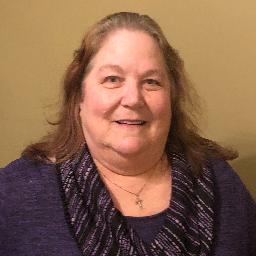
Debra Pittman is a Licensed Certified Social Worker (LCSW) in Arkansas who helps people facing depression, anxiety, trauma, and anger. She approaches each person with warmth and respect. Debra listens first to understand your situation and what matters most to you.
She focuses on practical steps you can take now to feel steadier and more in control. Debra uses a mix of methods to fit each person she meets. She helps clients map out clear goals and then works alongside them to reach those goals.
Background and approach
That can look like talking through problems, trying new ways to respond, or using mindfulness skills to manage strong feelings. Sessions are tailored to the individual rather than a one-size-fits-all plan. With 17 years of experience, Debra has supported people through grief, family strain, mood and anxiety concerns, sleep problems, and challenges that come after trauma or loss.
She also works with people dealing with ADHD, bipolar symptoms, substance concerns, and obsessive or impulsive behaviors. Her work often includes helping people with parenting stress and the fallout of adoption or attachment issues. Her style is straightforward and compassionate.
She aims to educate and strengthen people so they can make lasting changes. Debra describes therapy as a partnership where she listens, helps set a road map, and walks alongside clients as they try out new skills. If you want practical support for anger, mood changes, or life transitions, Debra offers a calm, steady presence and a focus on real-world strategies.
What Debra works with
Everything Debra lists, in the therapist's own terms. Anger is the reason this directory exists; the rest tells you what usually sits alongside it in Debra's practice.
- Trauma and abuse
- Anger management
- Self esteem
- Bipolar disorder
- Stress, Anxiety
- Family conflicts
- Grief
- Sleeping disorders
- Parenting issues
- Depression
- Coping with life changes
- ADHD
- Abandonment
- Adoption and foster care
- Attachment issues
- Blended family issues
- Control issues
- Coping with natural or human-caused disaster
- Disruptive Mood Dysregulation Disorder (DMDD)
- Drug and alcohol addiction
- Family problems
- Forgiveness
- Guilt and shame
- Impulsivity
- Mood disorders
- Obsessions, compulsions, and OCD
- Panic disorder and panic attacks
- Phobias
- Post-traumatic stress
- Seasonal Affective Disorder (SAD)
- Self-harm
- Sexual assault and abuse
- Social anxiety and phobia
- Trichotillomania
- Young adult issues
Approaches Debra lists
- Client-Centered Therapy
- Cognitive Behavioral Therapy (CBT)
- Mindfulness Therapy
- Narrative Therapy
- Solution-Focused Therapy
- Trauma-Focused Therapy
Listing an approach is not evidence of training in it. This directory copies what each therapist names and does not check training records.
Therapeutic approaches that fit online care
Debra commonly draws on Client-Centered Therapy, Cognitive Behavioral Therapy (CBT), and Mindfulness Therapy. Client-Centered Therapy focuses on active listening, empathy, and building a trusting relationship so clients feel heard and respected. Cognitive Behavioral Therapy helps people notice and change unhelpful thoughts and behaviors, which can reduce anxiety, anger, and mood swings. Mindfulness Therapy teaches simple attention and breathing practices that reduce reactivity and help manage strong emotions.Finding the right approach is a collaborative process. Debra works with each person to decide which methods match their goals and comfort level. She adjusts techniques over time based on what helps most and what feels workable in the client’s daily life.
Online sessions are offered as video calls, phone sessions, live chat, or text-based messaging to make therapy more flexible. Video is useful for a full conversation and visual cues, phone works well for people with limited bandwidth or who prefer not to be on camera, and chat or text can suit quick check-ins or times when typing fits a schedule. These options let people fit sessions into busy lives and keep therapy consistent during transitions or travel.
Questions people ask about Debra
What concerns does Debra commonly help with?
She helps people with depression, anxiety, trauma and anger as well as sleep problems and grief. Her practice also addresses ADHD, bipolar symptoms, substance concerns, and compulsive or impulsive behavior.
What is her therapeutic style like?
Her style is warm, nonjudgmental, and practical. She listens carefully, sets goals with clients, and works on step-by-step strategies to manage strong emotions and daily challenges.
How much experience does she have?
She brings 17 years of clinical experience supporting people through life changes, trauma, mood disorders, and family-related stressors.
What are her credentials and where is she based?
She is an LCSW - Licensed Certified Social Worker - practicing in Arkansas.
Which languages are offered and can international clients join?
Sessions are offered in English. International clients are not currently accepted.
In what formats are sessions available?
Sessions can take place via video calls, phone sessions, live chat, or text-based messaging to fit different schedules and needs.
How does payment and cost work?
Cost varies with location and therapist availability and uses a subscription model that can be canceled at any time.
What should I do to begin working with her?
Click the Start Therapy button, complete a short matching questionnaire, and schedule sessions according to therapist availability.