Works with
- Anger
- Stress, Anxiety
- Addictions
- Relationship issues
- Self esteem
- Depression
How Diana works
Practical facts
- Credentials
- LPC
- Licensed in
- Oklahoma
- Years in practice
- 16
- Languages
- English
- Session format
- Online, through our partner platform
About Diana
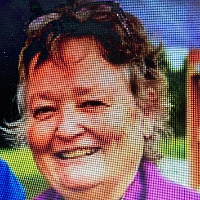
Diana Lively is a Licensed Professional Counselor (LPC) based in Oklahoma who helps people manage anger, stress, anxiety, addiction, depression, and relationship struggles. She uses straightforward, practical strategies so clients can make usable changes in day-to-day life. She brings 16 years of experience in mental health and addiction work.
Her background includes work in community mental health, recovery groups, and programs that focus on relapse prevention. That mix gives her familiarity with co-occurring concerns and the ups and downs of recovery.
Background and approach
In sessions she leans on Cognitive Behavioral Therapy (CBT) and acceptance-based methods to help clients notice patterns and try new behaviors. She also draws from attachment-informed and client-centered ideas to improve communication and connection with others. Diana often teaches skills during appointments and in group settings.
She uses psychoeducation to explain why habits form and what helps change them. Clients get concrete tools they can practice between meetings. Her approach is practical and flexible.
She pays attention to life stressors, caregiver strain, grief, and issues like sleep, eating, and work stress. The goal is to help people reduce conflict, improve coping, and build routines that support recovery and well-being.
What Diana works with
Everything Diana lists, in the therapist's own terms. Anger is the reason this directory exists; the rest tells you what usually sits alongside it in Diana's practice.
- Stress, Anxiety
- Addictions
- Relationship issues
- Self esteem
- Depression
- LGBT
- Family conflicts
- Trauma and abuse
- Grief
- Intimacy-related issues
- Eating disorders
- Sleeping disorders
- Parenting issues
- Anger management
- Career difficulties
- Bipolar disorder
- Coping with life changes
- Coaching
- Compassion fatigue
- ADHD
- Aging and geriatric issues
- Caregiver issues and stress
- Codependency
- Communication problems
- Drug and alcohol addiction
- Family problems
- Guilt and shame
- Isolation / loneliness
- Life purpose
- Obsessions, compulsions, and OCD
- Seasonal Affective Disorder (SAD)
- Self-love
- Smoking / vaping cessation
- Social anxiety and phobia
- Somatization
Approaches Diana lists
- Acceptance and Commitment Therapy (ACT)
- Attachment-Based Therapy
- Client-Centered Therapy
- Cognitive Behavioral Therapy (CBT)
- Dialectical Behavior Therapy (DBT)
- Existential Therapy
- Jungian Therapy
- Mindfulness Therapy
- Motivational Interviewing
- Narrative Therapy
- Solution-Focused Therapy
- Somatic Therapy
- Trauma-Focused Therapy
- Internal Family Systems
Listing an approach is not evidence of training in it. This directory copies what each therapist names and does not check training records.
How therapy approaches translate to online care
Acceptance and Commitment Therapy (ACT) helps people notice thoughts and feelings without getting stuck in them, and then choose actions that match their values. It can help with anger, anxiety, and coping with life changes. Cognitive Behavioral Therapy (CBT) focuses on identifying unhelpful thoughts and trying different behaviors to reduce anxiety, improve mood, and change patterns that fuel conflict or addiction. Attachment-Based ideas center on how relationships shape reactions and communication, which can be useful for improving intimacy and family interactions.Finding the best approach is a joint process. The therapist will talk with the person about goals, try techniques, and adjust the plan based on what works. Clients are invited to give feedback so sessions reflect their needs and preferences.
Online sessions offer flexible ways to connect. Video calls allow face-to-face conversation for skills practice and role play. Phone sessions use less bandwidth and can fit during a short break. Live chat and text-based messaging let people check in between meetings or get brief coaching moments. These options make it easier to keep therapy consistent around work, caregiving, and other life demands.
Questions people ask about Diana
What concerns does she address?
Diana supports people with anger, stress, anxiety, addiction, depression, relationship issues, grief, trauma, self-esteem, ADHD, and related concerns.
How would you describe her therapy style?
She uses a practical, skills-focused style that mixes teaching with collaborative problem solving to help people change patterns.
What is her clinical background?
She has 16 years of experience in mental health and addiction services, including community mental health and recovery-focused group work.
What credentials and location are listed?
She is a Licensed Professional Counselor (LPC) practicing in Oklahoma.
Which languages are supported?
Sessions are offered in English.
What session formats are available?
Work can take place via video calls, phone sessions, live chat, or text-based messaging.
How are fees handled?
Cost varies by location and therapist availability; sessions use a subscription model that can be canceled at any time.
How do I begin working with her?
Use the Start Therapy button, complete a short matching questionnaire, and schedule according to the therapist's availability.