Works with
- Anger
- Stress, Anxiety
- Relationship issues
- Family conflicts
- Trauma and abuse
- Depression
How Diane works
Practical facts
- Credentials
- LMFT
- Licensed in
- Florida
- Years in practice
- 27
- Languages
- English
- Session format
- Online, through our partner platform
About Diane
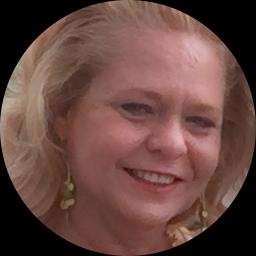
Diane Langston-Schicker is a Florida licensed marriage and family therapist with 27 years of clinical experience. She focuses on helping people who are struggling with anxiety, depression, anger, and major life changes. Diane aims to make therapy straightforward and practical so people can use new skills right away.
She uses a few different ways of working depending on what someone needs. Diane listens first to understand a person's history and current stressors.
Background and approach
Then she helps set small, concrete goals and practices tools in session that people can try in daily life. Diane often helps people manage stress, handle grief, and work through trauma and abuse. She also supports those facing challenges like addiction, ADHD, or difficulties with intimacy and self-esteem.
Her work covers both emotional coping and real-world problem solving. Clients find that Diane balances warmth with clear structure. Sessions include talking, learning new behavioral strategies, and short exercises to shift thinking and responses.
She pays attention to patterns in relationships and attachment that affect current problems. Diane also uses focused techniques for processing traumatic memories when appropriate. Over her career she has supported people through career transitions, caregiving strain, blended family issues, and recovery from loss.
Her goal is to help people build practical habits that reduce distress and improve daily functioning.
What Diane works with
Everything Diane lists, in the therapist's own terms. Anger is the reason this directory exists; the rest tells you what usually sits alongside it in Diane's practice.
- Stress, Anxiety
- Relationship issues
- Family conflicts
- Trauma and abuse
- Depression
- Addictions
- LGBT
- Grief
- Intimacy-related issues
- Eating disorders
- Sleeping disorders
- Parenting issues
- Anger management
- Self esteem
- Career difficulties
- Bipolar disorder
- Coping with life changes
- Coaching
- Compassion fatigue
- ADHD
- Abandonment
- Adoption and foster care
- Aging and geriatric issues
- Antisocial personality
- Attachment issues
- Autism and Asperger Syndrome
- Avoidant personality
- BDSM, kink, and alternative sex culture
- Blended family issues
- Body image
- Cancer
- Caregiver issues and stress
- Co-morbidity
- Codependency
- Commitment issues
- Communication problems
- Control issues
- Coping with natural or human-caused disaster
- Dependent personality
- Disruptive Mood Dysregulation Disorder (DMDD)
- Dissociation
- Divorce and separation
- Domestic violence
- Emptiness
- Family of origin issues
- Family problems
- Fatherhood issues
- Fertility issues
- Forgiveness
- Gender dysphoria
- Guilt and shame
- HIV / AIDS
- Hoarding
- Hospice and end-of-life counseling
- Impulsivity
- Infidelity
- Isolation / loneliness
- Jealousy
- Life purpose
- Midlife crisis
- Money and financial issues
- Mood disorders
- Multicultural concerns
- Narcissism
- Obsessions, compulsions, and OCD
- Panic disorder and panic attacks
- Paranoia
- Personality disorders
- Phobias
- Postpartum depression
- Post-traumatic stress
- Pregnancy and childbirth
- Seasonal Affective Disorder (SAD)
- Self-harm
- Self-love
- Sexual assault and abuse
- Sexual dysfunction
- Sexuality
- Social anxiety and phobia
- Traumatic brain injury
- Women's issues
- Workplace issues
- Young adult issues
Approaches Diane lists
- Attachment-Based Therapy
- Client-Centered Therapy
- Cognitive Behavioral Therapy (CBT)
- Eye Movement Desensitization and Reprocessing (EMDR)
- Imago Relationship Therapy
- Mindfulness Therapy
- Motivational Interviewing
- Narrative Therapy
- Solution-Focused Therapy
- Trauma-Focused Therapy
Listing an approach is not evidence of training in it. This directory copies what each therapist names and does not check training records.
Approach and online options for therapy
Attachment-Based Therapy focuses on how early relationships shape current bonds and emotional reactions. It helps people notice recurring relationship patterns and develop new ways of relating that lower anger and conflict.Client-Centered Therapy centers on listening and acceptance. The therapist follows the person's pace, offering empathy and reflection to help someone clarify goals and build self-trust.
Cognitive Behavioral Therapy, or CBT, teaches practical steps to change unhelpful thoughts and behaviors. It is useful for anxiety, anger, depression, sleep problems, and coping with life changes by practicing small behavioral experiments.
Choosing the right approach is a collaborative process. The therapist will review concerns, try a few techniques, and adjust plans based on what helps most. Clients take part in setting goals and deciding which methods to use.
Online sessions are offered by video, phone, live chat, or text-based messaging to fit busy lives. Video works well for deeper conversation and exercises, phone can be easier when bandwidth is limited, live chat is useful for quick check-ins, and messaging supports ongoing reflection between sessions. These options make it easier to keep therapy consistent while balancing work, caregiving, and travel.
Questions people ask about Diane
What kinds of problems does Diane help with?
Diane helps people manage stress, anxiety, depression, anger, trauma, relationship and intimacy concerns, grief, addictions, parenting strains, ADHD, and related life changes.
How would you describe her therapeutic style?
She combines attentive listening with practical tools, using structured exercises and discussion to build new coping skills and change unhelpful patterns.
What is her professional background?
She has 27 years of clinical experience working with adults on emotional and relationship challenges and life transitions.
Where is Diane licensed and based?
She is a Florida licensed marriage and family therapist, practicing from Florida and working with people who can connect remotely.
Which languages are supported for sessions?
Sessions are offered in English and she also accepts international clients who can participate in English.
What session formats are available?
She offers video calls, phone sessions, live chat, and text-based messaging to fit different schedules and needs.
How is cost handled for ongoing sessions?
Cost varies by location and therapist availability and sessions are provided through a subscription model that can be canceled at any time.
How do I begin working with her?
Click the Start Therapy button, complete a short matching questionnaire, and schedule sessions according to the therapist's availability.