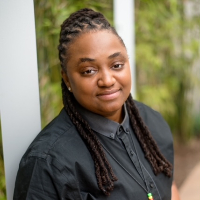
Dianna Roland-Sumlin, LCSW
Compassionate clinician focused on calm, practical change
Book with DiannaWorks with
- Anger
- Stress, Anxiety
- LGBT
- Anger management
- Self esteem
- Depression
How Dianna works
Practical facts
- Credentials
- LCSW
- Licensed in
- Florida
- Years in practice
- 14
- Languages
- English
- Session format
- Online, through our partner platform
About Dianna
Dianna Roland-Sumlin is a licensed clinical social worker practicing in Florida. She brings 14 years of experience helping people manage stress, anxiety, anger, and depression. Dianna works with adults across many backgrounds, including people in the LGBT community, to address life challenges and build more balanced days.
She uses a mix of approaches to match each person’s needs. In sessions she emphasizes clear goals, practical skills, and calm reflection. Clients learn tools for emotion regulation, better communication, and managing impulsive reactions.
Background and approach
Her work often draws on cognitive behavioral techniques to identify unhelpful thoughts and change patterns that increase distress. Dialectical behavior ideas and mindfulness practices are used to strengthen distress tolerance and present-moment focus. Motivational interviewing is brought in when people need help finding the drive to change.
Dianna also has a background in sport and exercise psychology from a second master’s degree and offers support for performance-related concerns. That experience informs how she helps people set realistic plans and practice skills under pressure. Her sessions are collaborative and practical.
People can expect a straightforward conversation, skill-building exercises, and plans they can try between meetings. The goal is steady progress toward clearer thinking, calmer reactions, and more satisfying relationships.
What Dianna works with
Everything Dianna lists, in the therapist's own terms. Anger is the reason this directory exists; the rest tells you what usually sits alongside it in Dianna's practice.
- Stress, Anxiety
- LGBT
- Anger management
- Self esteem
- Depression
- Relationship issues
- Family conflicts
- Trauma and abuse
- Grief
- Career difficulties
- Coping with life changes
- Compassion fatigue
- ADHD
- Abandonment
- Attachment issues
- Codependency
- Commitment issues
- Communication problems
- Control issues
- Emptiness
- Family of origin issues
- Family problems
- Forgiveness
- Gender dysphoria
- Guilt and shame
- Impulsivity
- Isolation / loneliness
- Life purpose
- Mood disorders
- Multicultural concerns
- Post-traumatic stress
- Prejudice and discrimination
- Seasonal Affective Disorder (SAD)
- Self-love
- Sexuality
- Social anxiety and phobia
- Women's issues
- Workplace issues
- Young adult issues
Approaches Dianna lists
- Client-Centered Therapy
- Cognitive Behavioral Therapy (CBT)
- Dialectical Behavior Therapy (DBT)
- Mindfulness Therapy
- Motivational Interviewing
- Narrative Therapy
- Solution-Focused Therapy
Listing an approach is not evidence of training in it. This directory copies what each therapist names and does not check training records.
How therapeutic approaches translate online
Client-Centered Therapy focuses on listening and building understanding. The therapist follows the person’s lead, reflects what they say, and helps them find their own solutions; this supports issues like low self-esteem and relationship concerns. Cognitive Behavioral Therapy, or CBT, helps people spot unhelpful thoughts and test new behaviors. It is useful for anxiety, depression, and anger because it gives clear exercises and homework to try between sessions.Finding the right approach is part of the work. The therapist will talk with the client about goals, needs, and what feels comfortable. Together they decide which methods to use and adjust the plan as progress is made, keeping the process collaborative and goal-oriented.
Online sessions are offered as video calls, phone sessions, live chat, or text-based messaging to fit different lives. Video calls support face-to-face conversation and nonverbal cues. Phone sessions can be a good option when video is not possible or bandwidth is limited. Live chat and messaging allow shorter check-ins, written reflections, and flexible timing during a busy week. These options make it easier to keep steady contact and practice skills between meetings.
Questions people ask about Dianna
What concerns does she help with?
She helps with stress, anxiety, anger, depression, self-esteem, relationship and family problems, trauma and abuse, grief, career transitions, compassion fatigue, and ADHD among other issues.
What is her therapy style like?
Her approach is practical and collaborative. Sessions focus on goal setting, skill practice, and using clear strategies to change thinking and behavior.
How much clinical experience does she have?
She has 14 years of experience working with adults from diverse backgrounds, including members of the LGBT community and people facing performance pressures.
What are her credentials and where is she based?
She is a licensed clinical social worker, LCSW, practicing in the state of Florida.
Which languages are supported for sessions?
Sessions are offered in English.
What session formats are available?
She offers video calls, phone sessions, live chat, and text-based messaging to suit different schedules and preferences.
How does cost and billing work?
Cost varies with location and therapist availability; sessions use a subscription that can be canceled at any time.
How do I begin working with her?
Start by selecting the Start Therapy button, complete a short matching questionnaire, and then schedule sessions according to the therapist's availability.