Works with
- Anger
- Stress, Anxiety
- Addictions
- Trauma and abuse
- Sleeping disorders
- Depression
How Dion works
Practical facts
- Credentials
- LPC
- Licensed in
- Texas
- Years in practice
- 10
- Languages
- English
- Session format
- Online, through our partner platform
About Dion
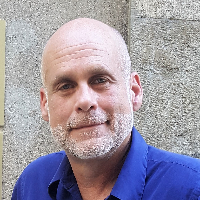
Dion Smith is a Licensed Professional Counselor (LPC) based in Texas who helps people manage anger and related concerns like stress, anxiety, and substance use. He has ten years of counseling experience and focuses on practical steps people can use right away. He draws on a mix of counseling styles to match each person's needs.
Sessions often include goal setting, skill practice, and real-life strategies for managing strong emotions. He also uses approaches aimed at processing trauma when that is part of the problem.
Background and approach
Before shifting into counseling work, he began his career in school psychology at the master's level. That background informs how he assesses needs and recommends next steps, including referrals when a different service is needed. People who meet with him can expect a direct but respectful style.
He aims to create a plan with clear, teachable tools for handling anger, improving sleep, or reducing substance use. Mindfulness and behavioral techniques are commonly taught as concrete practices to use between sessions. He has worked with service members through civilian contracting with the Department of Defense, focusing on military life transitions and related stressors.
That experience adds to his familiarity with trauma-related concerns and adjustment challenges. When starting, he reviews each person's situation and tailors a treatment plan to their goals. The emphasis is on usable skills, steady progress, and referrals when additional supports are appropriate.
What Dion works with
Everything Dion lists, in the therapist's own terms. Anger is the reason this directory exists; the rest tells you what usually sits alongside it in Dion's practice.
- Stress, Anxiety
- Addictions
- Trauma and abuse
- Sleeping disorders
- Depression
- LGBT
- Relationship issues
- Family conflicts
- Grief
- Intimacy-related issues
- Parenting issues
- Anger management
- Self esteem
- Career difficulties
- Bipolar disorder
- Coping with life changes
- Coaching
- Compassion fatigue
- ADHD
- Abandonment
- Aging and geriatric issues
- Attachment issues
- Avoidant personality
- Caregiver issues and stress
- Codependency
- Communication problems
- Coping with natural or human-caused disaster
- Divorce and separation
- Drug and alcohol addiction
- Emptiness
- Family of origin issues
- Family problems
- First responder issues
- Forgiveness
- Guilt and shame
- Infidelity
- Isolation / loneliness
- Life purpose
- Men's issues
- Midlife crisis
- Veteran and Armed Forces Issues
- Mood disorders
- Obsessions, compulsions, and OCD
- Panic disorder and panic attacks
- Phobias
- Post-traumatic stress
- Process addiction (porn, exercise, gambling)
- Sex addiction
- Sexual dysfunction
- Smoking / vaping cessation
- Social anxiety and phobia
- Traumatic brain injury
- Workplace issues
- Young adult issues
Approaches Dion lists
- Client-Centered Therapy
- Cognitive Behavioral Therapy (CBT)
- Dialectical Behavior Therapy (DBT)
- Existential Therapy
- Eye Movement Desensitization and Reprocessing (EMDR)
- Mindfulness Therapy
- Motivational Interviewing
- Narrative Therapy
- Solution-Focused Therapy
- Trauma-Focused Therapy
Listing an approach is not evidence of training in it. This directory copies what each therapist names and does not check training records.
Therapeutic approaches and online care
Client-Centered Therapy focuses on listening and building a collaborative relationship so people feel heard and can clarify their goals. Cognitive Behavioral Therapy (CBT) helps identify unhelpful thinking and teaches concrete skills to change behaviors and manage emotions. Dialectical Behavior Therapy (DBT) adds skills for regulating strong emotions and improving interpersonal effectiveness, which can be useful for anger and relationship struggles.Choosing the right approach is part of the work. The therapist will discuss goals and preferences, try methods out, and adapt the plan based on what helps most. This is a collaborative process meant to find practical tools that fit each person's situation.
Online sessions are offered as video calls, phone sessions, live chat, or text-based messaging to provide flexibility. Video is useful for in-depth conversations and skill demonstrations. Phone sessions require less bandwidth and can fit a break during the day. Live chat and text-based messaging let people check in between sessions or use shorter exchanges for coaching and support. These options make it easier to keep therapy consistent around work, caregiving, and other demands.
Questions people ask about Dion
What kinds of concerns does Dion address?
He helps with anger, stress, anxiety, addictions, trauma, depression, sleep problems, relationship and family issues, grief, parenting strain, self-esteem, career struggles, bipolar concerns, ADHD, and related topics.
What is his therapeutic style?
He uses a practical, collaborative approach that focuses on teachable skills, goal setting, and real-world practice. Sessions mix talking, skill rehearsal, and targeted strategies to manage emotions.
How much clinical experience does he have?
He has ten years of counseling experience and began his career working in school psychology at the master's level before becoming an LPC.
Where is he licensed and based?
He is a Licensed Professional Counselor with licensure in Texas and practices from that state.
Which languages are supported for sessions?
Sessions are offered in English.
What session formats are available?
He provides video calls, phone sessions, live chat, and text-based messaging to suit different preferences and needs.
How are sessions priced?
Cost varies with location and therapist availability; sessions are delivered through a subscription model that can be canceled at any time.
What is the first step to begin working together?
Start by selecting the Start Therapy button, complete a short matching questionnaire, and then schedule appointments according to the therapist's availability.