Works with
- Anger
- Stress, Anxiety
- LGBT
- Relationship issues
- Family conflicts
- Depression
How Donya works
Practical facts
- Credentials
- LPC
- Licensed in
- Georgia
- Years in practice
- 16
- Languages
- English
- Session format
- Online, through our partner platform
About Donya
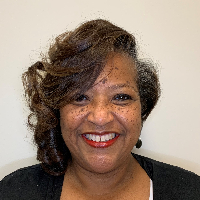
Donya Franklin is a Licensed Professional Counselor (LPC) based in Georgia who helps people facing stress, anger, anxiety, and relationship struggles. She brings 16 years of experience and focuses on practical steps people can use right away to feel steadier and more in control. Donya speaks directly and kindly, so sessions tend to be straightforward and focused on what matters now.
Her work combines listening with clear, goal-focused tools. She uses client-centered methods to make sure the person feels heard.
Background and approach
She also draws on cognitive behavioral techniques to spot and change unhelpful thought patterns. The Gottman Method is part of her approach when relationship skills need to be rebuilt. Donya has experience across community, residential, and outpatient settings.
That background informs her work with people managing grief, trauma, addictions, parenting challenges, and life transitions. She tailors the plan to each person’s situation rather than using a one-size-fits-all approach. In sessions she often sets small, achievable goals and tracks progress over time.
She can help with communication problems, codependency, control issues, and concerns around intimacy and self-esteem. Anger management is part of her practice and she offers concrete strategies people can use between sessions. Her style is collaborative and direct.
Donya aims to build trust and to help clients find practical ways to cope, change patterns, and move toward their goals. For many people she helps, the focus is on managing current stressors and creating clearer plans for the future.
What Donya works with
Everything Donya lists, in the therapist's own terms. Anger is the reason this directory exists; the rest tells you what usually sits alongside it in Donya's practice.
- Stress, Anxiety
- LGBT
- Relationship issues
- Family conflicts
- Depression
- Addictions
- Trauma and abuse
- Grief
- Intimacy-related issues
- Eating disorders
- Parenting issues
- Anger management
- Self esteem
- Career difficulties
- Bipolar disorder
- Coping with life changes
- Coaching
- ADHD
- Abandonment
- Adoption and foster care
- Attachment issues
- BDSM, kink, and alternative sex culture
- Blended family issues
- Caregiver issues and stress
- Codependency
- Commitment issues
- Communication problems
- Control issues
- Divorce and separation
- Domestic violence
- Family of origin issues
- Family problems
- Forgiveness
- Guilt and shame
- HIV / AIDS
- Impulsivity
- Infidelity
- Isolation / loneliness
- Midlife crisis
- Veteran and Armed Forces Issues
- Money and financial issues
- Mood disorders
- Obsessions, compulsions, and OCD
- Panic disorder and panic attacks
- Paranoia
- Personality disorders
- Phobias
- Polyamory / non-monogamous relationships
- Postpartum depression
- Post-traumatic stress
- Pregnancy and childbirth
- Prejudice and discrimination
- Process addiction (porn, exercise, gambling)
- Seasonal Affective Disorder (SAD)
- Self-harm
- Self-love
- Sex addiction
- Sexual assault and abuse
- Sexual dysfunction
- Sexuality
- Women's issues
- Workplace issues
- Young adult issues
Approaches Donya lists
- Client-Centered Therapy
- Cognitive Behavioral Therapy (CBT)
- Gottman Method
- Motivational Interviewing
- Solution-Focused Therapy
Listing an approach is not evidence of training in it. This directory copies what each therapist names and does not check training records.
How these approaches work online
Client-centered therapy focuses on listening and understanding a person’s experience, helping them feel respected and guiding conversations so they can find their own solutions. Cognitive Behavioral Therapy (CBT) looks at thought patterns and behaviors and teaches practical exercises to change reactions and reduce anxiety or anger. The Gottman Method concentrates on improving communication and conflict habits for people wanting to rebuild trust and connection.Deciding which approach to use is a team effort. The therapist will talk with the person about goals, try methods that match those goals, and adjust the plan as progress happens. This collaborative process helps make sure the methods fit the person’s needs and preferences rather than forcing a single style.
Online formats offer flexibility for people with busy days. Video calls allow face-to-face conversation for skill practice and nonverbal cues. Phone sessions work well when bandwidth is limited or for shorter check-ins. Live chat and text-based messaging can be useful for brief updates, homework check-ins, or when writing feels easier than speaking. These options make it simpler to fit therapy into a week and keep momentum between sessions.
Questions people ask about Donya
What kinds of problems does she address?
She works with stress, anxiety, anger, depression, addictions, trauma and relationship and family concerns among other issues.
How would you describe her therapeutic style?
Her style is collaborative and practical, mixing client-centered listening with goal-focused techniques to create small, usable steps.
What background does she bring to therapy?
She has 16 years of experience in community, residential, and outpatient mental health settings, including work related to domestic violence and addiction.
What credentials and region are listed?
She is a Licensed Professional Counselor (LPC) with a Georgia LPC credential and practices in Georgia.
In which languages are sessions offered?
Sessions are offered in English and international clients are not accepted at this time.
What session formats are available?
She conducts video calls, phone sessions, live chat, and text-based messaging to fit different schedules and needs.
How is cost handled?
Costs vary with location and therapist availability; sessions use a subscription model that can be canceled at any time.
How do I begin therapy with her?
Click the Start Therapy button, complete a short matching questionnaire, and then schedule sessions based on the therapist's availability.