Works with
- Anger
- Stress, Anxiety
- Trauma and abuse
- Self esteem
- Career difficulties
- Coping with life changes
How Doug works
Practical facts
- Credentials
- LPCC, LPC
- Licensed in
- Ohio, Kentucky, Michigan
- Years in practice
- 27
- Languages
- English
- Session format
- Online, through our partner platform
About Doug
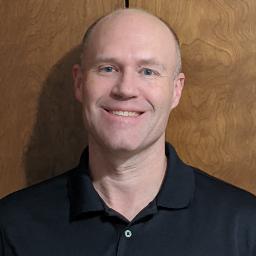
Doug Casper is a licensed professional counselor who helps people facing strong emotions and difficult life changes. He offers calm, practical support for issues such as stress, anxiety, anger, depression, and addiction. His style is straightforward and steady, aimed at helping people feel more capable day to day.
He brings 27 years of experience to sessions and focuses on building understanding first. Conversations explore what matters most to the client and what gets in the way of moving forward.
Background and approach
He helps people notice patterns, try small changes, and practice ways to respond differently when emotions run high. Doug uses a mix of approaches that fit the person and the problem. He draws on Acceptance and Commitment Therapy to clarify values and goals, Cognitive Behavioral Therapy to shift unhelpful thoughts and habits, and Trauma-Focused methods when past experiences are causing present distress.
He also uses client-centered and solution-focused ideas to keep work practical and goal-oriented. Sessions are collaborative and paced to each person's comfort. Doug aims to make steps manageable so progress feels real rather than overwhelming.
He also supports common life challenges like grief, career strain, parenting stress, blended family issues, and caregiver fatigue. Doug is licensed as an LPCC and as an LPC in Ohio and Michigan. He conducts sessions in English and offers video calls, phone sessions, live chat, and text-based messaging to suit different needs.
What Doug works with
Everything Doug lists, in the therapist's own terms. Anger is the reason this directory exists; the rest tells you what usually sits alongside it in Doug's practice.
- Stress, Anxiety
- Trauma and abuse
- Self esteem
- Career difficulties
- Coping with life changes
- Addictions
- Relationship issues
- Family conflicts
- Grief
- Eating disorders
- Parenting issues
- Anger management
- Bipolar disorder
- Depression
- Coaching
- Compassion fatigue
- Adoption and foster care
- Blended family issues
- Caregiver issues and stress
- Codependency
- Communication problems
- Family problems
- Fatherhood issues
- First responder issues
- Forgiveness
- Guilt and shame
- Hospice and end-of-life counseling
- Isolation / loneliness
- Men's issues
- Midlife crisis
- Money and financial issues
- Mood disorders
- Obsessions, compulsions, and OCD
- Panic disorder and panic attacks
- Personality disorders
- Phobias
- Post-traumatic stress
- Process addiction (porn, exercise, gambling)
- Seasonal Affective Disorder (SAD)
- Sexual assault and abuse
- Social anxiety and phobia
- Workplace issues
- Young adult issues
Approaches Doug lists
- Acceptance and Commitment Therapy (ACT)
- Client-Centered Therapy
- Cognitive Behavioral Therapy (CBT)
- Solution-Focused Therapy
- Trauma-Focused Therapy
Listing an approach is not evidence of training in it. This directory copies what each therapist names and does not check training records.
How Doug Uses Therapy Approaches Online
Doug commonly blends Acceptance and Commitment Therapy and Cognitive Behavioral Therapy in online work. Acceptance and Commitment Therapy helps people clarify what they value and build small steps toward those values even when feelings are intense. Cognitive Behavioral Therapy looks at thoughts and behaviors to reduce unhelpful patterns and teach practical coping skills.He approaches online therapy as a collaborative process. The therapist and client discuss goals, try approaches, and adjust based on what works. Finding the right method is part of the work rather than a one-time decision, and choices are shaped by the client's needs, preferences, and progress.
Offering video calls, phone sessions, live chat, and text-based messaging gives practical flexibility. Video calls work well for deeper conversations and visual cues. Phone sessions can be easier when bandwidth is limited or when a session needs to fit into a short break. Live chat and text messaging can support quick check-ins, daily skill practice, or ongoing encouragement between longer sessions. These options make it easier to continue work when schedules are busy or travel is necessary.
Questions people ask about Doug
What concerns does he help with?
Common concerns include stress, anxiety, anger, depression, addictions, grief, and coping with life changes. He also addresses family dynamics, parenting strain, caregiver stress, and career-related issues.
What is his therapeutic style like?
His approach is practical and collaborative. He focuses on understanding what matters to the client, testing small changes, and building skills for handling strong emotions.
How many years has he been practicing?
He has 27 years of experience working with people facing a wide range of concerns and life transitions.
What credentials and location apply?
He holds LPCC and LPC credentials and practices in Ohio and Michigan as noted in his licensure details.
Which languages are supported?
Sessions are offered in English only and international clients are not accepted.
What session formats are offered?
He offers video calls, phone sessions, live chat, and text-based messaging to fit different schedules and communication preferences.
How does billing and cost work?
Cost varies by location and therapist availability and uses a subscription model that can be canceled at any time.
How do I begin working with him?
Start by selecting the Start Therapy button, complete a short matching questionnaire, and then schedule sessions according to therapist availability.