Works with
- Anger
- Stress, Anxiety
- Trauma and abuse
- Anger management
- Self esteem
- Compassion fatigue
How Edward works
- Not listed
Practical facts
- Credentials
- LCSW
- Licensed in
- California
- Years in practice
- 28
- Languages
- English
- Session format
- Online, through our partner platform
About Edward
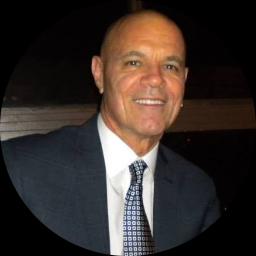
Edward Bielecki is a licensed clinical social worker with 28 years of experience helping people facing stress, anxiety, and anger. He listens for what matters most and helps clients find practical steps to feel more in control. His style is calm and direct, aimed at making therapy useful from the start.
He often supports people coping with trauma and post-traumatic stress, and helps those with low self-esteem or compassion fatigue rebuild emotional stamina.
Background and approach
Work-related issues and social anxiety are common topics he addresses, along with challenges around communication and life purpose. Edward brings particular attention to aging and multicultural concerns. He pays attention to how life stage and cultural background shape what feels manageable and what feels overwhelming.
That perspective helps him tailor strategies that fit each person's situation. Sessions focus on clear goals and skills people can use between meetings. He partners with clients to practice new ways of responding to anger, to reduce anxiety, and to strengthen self-respect.
Progress is measured in concrete steps rather than abstract promises. Clients meet with him by phone, video, live chat, or text messaging. He works from California and conducts sessions in English.
Getting started involves a short matching questionnaire and scheduling a time that aligns with the client's needs and his availability.
What Edward works with
Everything Edward lists, in the therapist's own terms. Anger is the reason this directory exists; the rest tells you what usually sits alongside it in Edward's practice.
Practical therapeutic approaches for online care
Edward uses evidence-based therapeutic techniques focused on skills and recovery. One common approach is trauma-focused work that helps people understand how past events still affect their reactions today and teaches ways to reduce intrusive memories and hyperarousal. Another common focus is emotion regulation and anger management work that teaches breathing, grounding, and behavioral strategies to interrupt intense reactions and improve daily functioning.Choosing the best approach is a collaborative process. The therapist will work with each person to identify goals, try methods that fit their preferences, and adjust the plan based on what helps. This means sessions can shift between skill practice, problem-solving, and processing as needs evolve.
Online sessions are offered by video, phone, live chat, and text messaging to increase flexibility. Video calls support face-to-face interaction for skill coaching and deeper conversation. Phone sessions use less bandwidth and can be easier to fit into a break at work. Live chat or text-based messaging are useful for short check-ins, step-by-step coaching, or keeping momentum between longer meetings.
Questions people ask about Edward
What kinds of concerns does he help with?
He supports people dealing with stress, anxiety, anger, trauma and abuse, self-esteem issues, and compassion fatigue. Additional areas include workplace problems, social anxiety, communication struggles, and life purpose questions.
What is his therapeutic style like?
The approach is collaborative and practical, focusing on clear goals and usable skills. Sessions emphasize understanding each person's situation and building steps to manage emotions and behavior.
How long has he practiced?
He has 28 years of experience as a clinician working with a wide range of adult concerns. That time includes work on trauma, aging issues, and multicultural matters.
What credentials and location apply?
He holds an LCSW credential and practices from California. The credential listed is LCSW.
Which languages are sessions offered in?
Sessions are offered in English. International clients are not currently accepted.
What session formats are available?
Therapy is offered via video calls, phone sessions, live chat, and text-based messaging. These options let people choose the format that fits their routine.
How does billing and cost work?
Cost varies with location and therapist availability. Sessions use a subscription model that can be canceled at any time.
How do I begin a therapy relationship?
To start, select the Start Therapy button, complete a short matching questionnaire, and schedule according to the therapist's availability. That process helps match needs with the right session times.