Works with
How Gina works
Practical facts
- Credentials
- LPC
- Licensed in
- Alabama
- Years in practice
- 4
- Languages
- English
- Session format
- Online, through our partner platform
About Gina
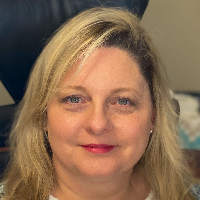
Gina Helms is a Licensed Professional Counselor (LPC) in Alabama who focuses on practical, usable skills. She draws on therapies that help people manage strong emotions and change habits. Her approach is calm and nonjudgmental, aimed at helping people feel steadier day to day.
Gina has four years of counseling experience working with a wide range of concerns. She helps people facing stress, anxiety, addictions, trauma and abuse, grief, depression, self-esteem struggles, and anger.
Background and approach
She also supports clients dealing with relationship strain, parenting stress, sleeping problems, bipolar symptoms, and life transitions. Her sessions emphasize listening first. Gina offers acceptance and commitment techniques alongside cognitive behavioral and dialectical behavior tools.
She also uses attachment-based ideas to help people understand patterns in close relationships. Work is tailored to what each person needs in the moment. In practice she blends skill teaching with reflective work.
Sessions may include exercises to change thinking, strategies to manage intense feelings, and steps to rebuild trust in relationships. Gina helps people build routines and small changes that add up over time. People who meet with her can expect a steady, respectful presence and clear, concrete steps to try between sessions.
The goal is to reduce overwhelm and increase coping so daily life feels more manageable.
What Gina works with
Everything Gina lists, in the therapist's own terms. Anger is the reason this directory exists; the rest tells you what usually sits alongside it in Gina's practice.
- Stress, Anxiety
- Addictions
- Trauma and abuse
- Grief
- Depression
- LGBT
- Relationship issues
- Family conflicts
- Sleeping disorders
- Parenting issues
- Anger management
- Self esteem
- Bipolar disorder
- Coping with life changes
- Abandonment
- Aging and geriatric issues
- Attachment issues
- Avoidant personality
- Blended family issues
- Body image
- Caregiver issues and stress
- Codependency
- Communication problems
- Control issues
- Coping with natural or human-caused disaster
- Dependent personality
- Divorce and separation
- Domestic violence
- Drug and alcohol addiction
- Family of origin issues
- Family problems
- First responder issues
- Forgiveness
- Guilt and shame
- Impulsivity
- Life purpose
- Midlife crisis
- Veteran and Armed Forces Issues
- Money and financial issues
- Mood disorders
- Narcissism
- Obsessions, compulsions, and OCD
- Panic disorder and panic attacks
- Personality disorders
- Phobias
- Postpartum depression
- Post-traumatic stress
- Process addiction (porn, exercise, gambling)
- Seasonal Affective Disorder (SAD)
- Self-harm
- Self-love
- Sexual assault and abuse
- Social anxiety and phobia
- Somatization
- Women's issues
- Workplace issues
Approaches Gina lists
- Acceptance and Commitment Therapy (ACT)
- Attachment-Based Therapy
- Client-Centered Therapy
- Cognitive Behavioral Therapy (CBT)
- Dialectical Behavior Therapy (DBT)
- Gottman Method
- Mindfulness Therapy
- Somatic Therapy
- Trauma-Focused Therapy
Listing an approach is not evidence of training in it. This directory copies what each therapist names and does not check training records.
Therapeutic approaches you can use online
Acceptance and Commitment Therapy, or ACT, focuses on helping people name their values and take small actions that reflect those values. It pairs mindfulness with practical steps to reduce avoidance and make progress on meaningful goals. Cognitive Behavioral Therapy, or CBT, looks at patterns of thought and behavior and teaches specific techniques to change them. It is often used for anxiety, depression, anger, and sleep problems. Attachment-Based Therapy pays attention to how early relationships shape current ways of relating and helps people notice and shift unhelpful patterns in close connections.Choosing the right approach is part of therapy. Gina will work together with each person to decide which methods fit best for their goals and situation. That decision is revisited as progress is made, so the plan can change if something isn’t working.
Online formats include video calls, phone sessions, live chat, and text-based messaging, giving flexibility to match different needs. Video sessions are useful when visual connection helps the work. Phone calls can be easier when bandwidth is limited or for a quick check-in. Live chat and text messaging let people send brief updates, try short coaching-style exchanges, or keep work moving between longer sessions. These options make it easier to fit therapy into a busy life and to use techniques in real time.
Questions people ask about Gina
What concerns does this therapist help with?
Gina works with stress, anxiety, addictions, trauma and abuse, grief, depression, anger, self-esteem, relationship and family concerns, sleep problems, parenting strain, and coping with life changes.
What is the general therapy style used?
Her style centers on unconditional positive regard and a nonjudgmental stance, combining active listening with practical skill teaching.
What kind of experience does she have?
She has four years of experience working with a range of mental health and addiction concerns, including trauma-informed approaches.
What credentials and location are listed?
She is a Licensed Professional Counselor - LPC - practicing in Alabama.
Which languages and international options are available?
Sessions are offered in English and international clients are not currently accepted.
What session formats are offered?
Available session formats include video calls, phone sessions, live chat, and text-based messaging.
How is cost handled?
Cost varies with location and therapist availability; sessions use a subscription that can be canceled at any time.
How do I begin working with this therapist?
Start by selecting the Start Therapy button, complete a short matching questionnaire, and schedule according to therapist availability.