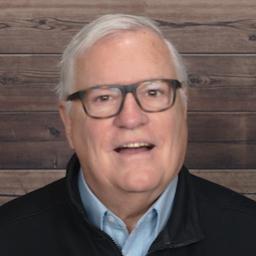
Dr. James Bedell, IL Psychologist
Experienced clinical psychologist focused on practical solutions
Book with JamesWorks with
- Anger
- Stress, Anxiety
- Addictions
- Relationship issues
- Family conflicts
- Depression
How James works
Practical facts
- Credentials
- IL Psychologist
- Licensed in
- Illinois
- Years in practice
- 38
- Languages
- English
- Session format
- Online, through our partner platform
About James
Dr. James Bedell is a clinical psychologist with 38 years of experience based in Illinois. He takes a practical, down-to-earth approach and aims to understand the many parts of a person's life that feed their distress.
He seeks to form a respectful, non-judgmental alliance so people feel safe talking about what matters to them. He looks at difficulties such as anxiety, depression, anger, or addiction as having social, biological, and psychological roots.
Background and approach
That means sessions often cover life history, current thinking patterns, and how the body and brain are reacting to stress. He describes his work as collaborative and direct, moving from assessment toward clear, manageable steps. Dr.
Bedell uses several therapeutic methods, including attachment-based ideas, Cognitive Behavioral Therapy, Dialectical Behavior Therapy, Emotionally-Focused Therapy, and Eye Movement Desensitization and Reprocessing. He picks tools that fit the problem at hand, whether that is trauma, relationship strain, or coping with change.
People who come to him for anger, grief, trauma, or relationship concerns can expect a mixture of conversation, skill practice, and reflection. Sessions often include learning new ways to respond to triggers and rebuilding healthier patterns with others. He works with adults and brings particular experience in first responder and veteran issues, forensic contexts, hoarding, OCD and process addictions.
Dr. Bedell holds an Illinois psychologist credential, IL Psychologist 071004954, and conducts sessions in English.
What James works with
Everything James lists, in the therapist's own terms. Anger is the reason this directory exists; the rest tells you what usually sits alongside it in James's practice.
- Stress, Anxiety
- Addictions
- Relationship issues
- Family conflicts
- Depression
- Trauma and abuse
- Grief
- Intimacy-related issues
- Eating disorders
- Parenting issues
- Anger management
- Self esteem
- Bipolar disorder
- Coping with life changes
- Compassion fatigue
- ADHD
- First responder issues
- Hoarding
- Jealousy
- Veteran and Armed Forces Issues
- Obsessions, compulsions, and OCD
- Paranoia
- Personality disorders
- Phobias
- Process addiction (porn, exercise, gambling)
- Seasonal Affective Disorder (SAD)
- Sex addiction
- Sexual dysfunction
Approaches James lists
- Attachment-Based Therapy
- Cognitive Behavioral Therapy (CBT)
- Dialectical Behavior Therapy (DBT)
- Emotionally-Focused Therapy (EFT)
- Eye Movement Desensitization and Reprocessing (EMDR)
- Mindfulness Therapy
- Trauma-Focused Therapy
Listing an approach is not evidence of training in it. This directory copies what each therapist names and does not check training records.
How therapy approaches translate to online care
Attachment-Based Therapy focuses on the patterns people form in close relationships. Online sessions using this approach look at how those patterns affect reactions to stress and relationship conflicts, and they help build new ways to relate. Cognitive Behavioral Therapy, or CBT, breaks problems into thoughts, feelings, and behaviors. In remote sessions CBT often includes learning to spot unhelpful thoughts and practicing behavior changes between appointments. Dialectical Behavior Therapy, DBT, teaches practical skills for managing strong emotions and improving interpersonal effectiveness, which works well in short skills coaching during video or text exchanges.Choosing the right approach is a team effort. The therapist will listen to your goals and suggest methods that fit your needs. Together you decide whether to focus on skills training, trauma processing, or relationship work and can adjust the plan as you go.
Online work is offered by licensed professionals through video calls, phone sessions, live chat, or text-based messaging. Video calls let you work face-to-face when deeper conversation is needed. Phone sessions can be easier when bandwidth is limited or a quieter connection is wanted. Live chat or text messaging can be useful for brief check-ins, practicing skills, or getting support between sessions. These options make scheduling more flexible and help therapy fit into busy lives.
Questions people ask about James
What kinds of problems does this therapist help with?
He works with a broad range of concerns including stress, anxiety, depression, anger, addictions, trauma and relationship and family issues.
What is his therapy style like?
He uses a straightforward, collaborative style that combines discussion with concrete skill practice and problem-focused steps.
How long has he practiced?
Dr. Bedell has 38 years of experience working in clinical and forensic settings and with people facing complex life challenges.
What are his credentials and where is he based?
He is an Illinois psychologist listed as IL Psychologist 071004954 and practices in Illinois.
Can I work with him if I live outside the United States?
Sessions are offered in English and he does not accept international clients at this time.
What formats are available for sessions?
He offers video calls, phone sessions, live chat, and text-based messaging to fit different needs and schedules.
How does payment and cost work?
Cost varies with location and therapist availability; sessions use a subscription model that can be canceled at any time.
How do I get started with therapy?
Click the Start Therapy button, fill out a short matching questionnaire, and schedule a session according to the therapist's availability.