Works with
- Anger
- Stress, Anxiety
- Family conflicts
- Trauma and abuse
- Grief
- Depression
How James works
Practical facts
- Credentials
- LICSW
- Licensed in
- District of Columbia
- Years in practice
- 10
- Languages
- English
- Session format
- Online, through our partner platform
About James
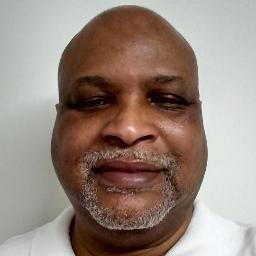
James Campbell, LICSW, helps people manage strong emotions and life stressors. He supports clients dealing with anger, anxiety, depression, grief, trauma, addiction, and self-esteem concerns. He also addresses relationship communication problems and challenges tied to gender identity, sexual assault, and prejudice.
James uses straightforward, goal-focused work in sessions. He draws on cognitive behavioral methods and mindfulness to help people notice patterns, test new behaviors, and calm their reactions. He also uses solution-focused and motivational techniques to set short-term goals and build momentum.
Background and approach
He trained at Howard University and has a long history in District of Columbia public services. That background includes program supervision and directing clinic services, plus many years in school-based mental health work. This mix gives him experience with practical problems that come up in daily life.
Sessions often move between skill practice and problem-solving. Clients can expect to map triggers, try new coping steps, and track small improvements over time. The approach is collaborative and paced to each person's needs.
Outside direct therapy work, he has presented a fatherhood initiative nationally and continues to consult and lead programs. That experience informs a focus on communication, responsibility, and rebuilding trust after conflict. James aims to help people regain control and find clearer ways to respond under pressure.
What James works with
Everything James lists, in the therapist's own terms. Anger is the reason this directory exists; the rest tells you what usually sits alongside it in James's practice.
- Stress, Anxiety
- Family conflicts
- Trauma and abuse
- Grief
- Depression
- Addictions
- LGBT
- Intimacy-related issues
- Anger management
- Self esteem
- Career difficulties
- Bipolar disorder
- Coping with life changes
- Coaching
- Compassion fatigue
- ADHD
- Communication problems
- Gender dysphoria
- HIV / AIDS
- Jealousy
- Obsessions, compulsions, and OCD
- Personality disorders
- Phobias
- Prejudice and discrimination
- Self-harm
- Self-love
- Sexual assault and abuse
Approaches James lists
- Cognitive Behavioral Therapy (CBT)
- Mindfulness Therapy
- Motivational Interviewing
- Solution-Focused Therapy
- Trauma-Focused Therapy
Listing an approach is not evidence of training in it. This directory copies what each therapist names and does not check training records.
Therapeutic approaches for online support
James often uses cognitive behavioral therapy to help people spot unhelpful thoughts and try different behaviors. CBT is useful for anxiety, anger, depression, and some obsessive patterns because it links thinking, feeling, and action in concrete steps. He also draws on mindfulness therapy to teach simple attention and breathing practices that reduce reactivity and support emotional regulation.Motivational interviewing features in his work when people want to make a change but feel unsure or stuck. This approach uses gentle questions to clarify values and strengthen commitment to small, practical steps. Together these approaches are used collaboratively; the therapist will talk with the client about goals and try methods that fit the person's needs and preferences.r>
Online sessions can be scheduled as video calls, phone sessions, live chat, or text messaging to match different routines. Video is useful for longer therapy and skill practice, phone calls work well when bandwidth is limited, and chat or messaging can support brief check-ins and coaching between sessions. These options make it easier to fit therapy into work, caregiving, or busy days while keeping a steady course of treatment.
Questions people ask about James
What kinds of problems does James help with?
He supports people facing anger, stress, anxiety, depression, grief, trauma, addictions, and self-esteem issues. He also works on communication problems, sexual assault recovery, gender dysphoria concerns, and related areas.
How would you describe his therapy style?
The style is practical and collaborative. Sessions focus on skills practice, short-term goals, and clearer ways to respond to difficult emotions.
What is his professional background?
He holds a Master of Social Work and has about 10 years of clinical experience in direct therapy roles noted here. He also has long experience in program leadership and school mental health work in the District of Columbia.
What credentials and location are listed?
He is listed as an LICSW and practices in the District of Columbia. The profile shows a DC LICSW credential.
Which languages are supported for sessions?
Sessions are offered in English.
What session formats does he use?
He offers video calls, phone sessions, live chat, and text-based messaging to suit different schedules and communication preferences.
How are costs and billing handled?
Cost varies with location and therapist arrangements; sessions use a subscription model that can be canceled at any time.
How do I begin if I want to work with him?
Start by selecting the Start Therapy button, complete the short matching questionnaire, and then schedule sessions according to therapist availability.