Works with
- Anger
- Stress, Anxiety
- Trauma and abuse
- Anger management
- Self esteem
- Depression
How James works
Practical facts
- Credentials
- LCSW
- Licensed in
- Tennessee, Kentucky
- Years in practice
- 11
- Languages
- English
- Session format
- Online, through our partner platform
About James
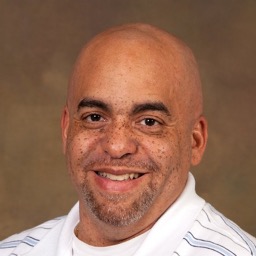
James Slaton is a Licensed Clinical Social Worker (LCSW) with 11 years of clinical experience. He works in Kentucky and focuses on practical, solution-oriented help for stress, anxiety, anger, depression, substance concerns, and trauma. He aims to make therapy direct and understandable for people who feel stuck.
He uses a client-centered stance that treats the person as the expert on their life. Sessions are straightforward and goal-focused, drawing on Cognitive Behavioral Therapy and Dialectical Behavior Therapy when helpful.
Background and approach
He also brings elements of Emotionally-Focused and Existential approaches as needed to address meaning, values, and emotional patterns. James' background includes work in a state mental hospital, a community crisis unit, and child protective services. He began offering counseling in 2012 and has helped people with parenting strain, career stress, relationship problems, sleep issues, ADHD concerns, and compassion fatigue among other struggles.
Those roles shaped his practical, no-nonsense style. In sessions he emphasizes clarity over judgment. He listens, asks direct questions, and helps people build skills and routines that reduce distress.
He avoids sympathy as a therapeutic tool and focuses on real actions clients can take between sessions. James welcomes people from diverse backgrounds, including LGBT individuals and those facing addiction or bipolar challenges. He supports international clients and offers flexible formats such as video calls, phone sessions, live chat, and text-based messaging.
To begin, a short matching questionnaire and scheduling step are used to connect people to his work.
What James works with
Everything James lists, in the therapist's own terms. Anger is the reason this directory exists; the rest tells you what usually sits alongside it in James's practice.
- Stress, Anxiety
- Trauma and abuse
- Anger management
- Self esteem
- Depression
- Addictions
- LGBT
- Relationship issues
- Family conflicts
- Intimacy-related issues
- Sleeping disorders
- Parenting issues
- Career difficulties
- Bipolar disorder
- Coping with life changes
- Coaching
- Compassion fatigue
- ADHD
- Aging and geriatric issues
- Antisocial personality
- Caregiver issues and stress
- Codependency
- Commitment issues
- Control issues
- Coping with natural or human-caused disaster
- Disruptive Mood Dysregulation Disorder (DMDD)
- Dissociation
- Domestic violence
- Drug and alcohol addiction
- Emptiness
- Family problems
- Fatherhood issues
- First responder issues
- Hearing impaired
- Hospice and end-of-life counseling
- Immigration issues
- Jealousy
- Veteran and Armed Forces Issues
- Multicultural concerns
- Narcissism
- Obsessions, compulsions, and OCD
- Postpartum depression
- Prejudice and discrimination
- Process addiction (porn, exercise, gambling)
- Seasonal Affective Disorder (SAD)
- Self-harm
- Sex addiction
- Sexual assault and abuse
- Young adult issues
Approaches James lists
- Client-Centered Therapy
- Cognitive Behavioral Therapy (CBT)
- Dialectical Behavior Therapy (DBT)
- Emotionally-Focused Therapy (EFT)
- Existential Therapy
- Eye Movement Desensitization and Reprocessing (EMDR)
- Mindfulness Therapy
- Narrative Therapy
- Psychodynamic Therapy
- Solution-Focused Therapy
- Somatic Therapy
- Trauma-Focused Therapy
Listing an approach is not evidence of training in it. This directory copies what each therapist names and does not check training records.
Approaches you can use in online sessions
James uses Client-Centered Therapy to focus on the person’s goals and perspective. That means sessions start with listening and building on what the client already knows about themselves. It helps when someone needs acceptance and a place to sort their priorities.Cognitive Behavioral Therapy (CBT) is used to spot and change unhelpful thoughts and behaviors. CBT is useful for anxiety, depression, anger, and sleep problems because it breaks issues into manageable steps and practical exercises.
Dialectical Behavior Therapy (DBT) provides skills for managing strong emotions and improving coping. DBT techniques can help people who struggle with intense anger, mood swings, or impulsive habits by teaching emotion regulation, distress tolerance, and better interpersonal skills.
Finding the right approach is part of the work together. The therapist will discuss goals, try methods that fit those goals, and adjust plans based on what helps. That collaborative process aims to match techniques to the client’s needs and preferences.
Online therapy offers flexibility with video calls, phone sessions, live chat, and text-based messaging. Video lets people keep a face-to-face rhythm while phone calls can be easier when bandwidth is limited. Live chat or text messaging can support quick check-ins, skill practice, or shorter coaching-style contacts between longer sessions. These options make it easier to fit therapy into busy routines and different life schedules.
Questions people ask about James
What kinds of concerns does James address?
He works with stress, anxiety, anger, depression, trauma, addictions, relationship and parenting issues, sleep problems, ADHD, and related concerns listed in his specialties.
What is his therapeutic style like?
His approach is straightforward and solution focused. He combines client-centered listening with practical techniques from CBT and DBT to teach skills and change unhelpful patterns.
How much clinical experience does he have?
He has been practicing since 2012 and holds 11 years of clinical experience as a Licensed Clinical Social Worker.
Where is he licensed and based?
He is a Licensed Clinical Social Worker with licenses in Kentucky and Tennessee and practices out of Kentucky.
Which languages are supported for sessions?
Sessions are offered in English and he also accepts international clients who can work in English.
What session formats are available?
He offers video calls, phone sessions, live chat, and text-based messaging to fit different schedules and communication preferences.
How is cost handled for sessions?
Costs vary with location and therapist availability; sessions use a subscription model that can be canceled at any time.
How do I get started with him?
Begin by selecting the Start Therapy button, complete a short matching questionnaire, and then schedule sessions according to therapist availability.