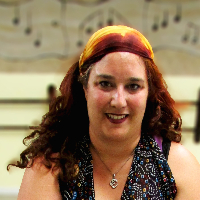
Dr. Jenenne Valentino-Bottaro, LMHC, LCMHC
Compassionate support for strong emotions
Book with JenenneWorks with
- Anger
- Trauma and abuse
- Grief
- Eating disorders
- Self esteem
- Compassion fatigue
How Jenenne works
Practical facts
- Credentials
- LMHC, LCMHC
- Licensed in
- Florida, Utah
- Years in practice
- 12
- Languages
- English
- Session format
- Online, through our partner platform
About Jenenne
Dr. Jenenne Valentino-Bottaro offers calm, practical support for people dealing with strong emotions and life disruptions. She focuses on helping clients manage anger, stress, anxiety, and the fallout from trauma.
Her early paragraph is short so readers can quickly see if she might fit their needs. She draws on 12 years of experience as a licensed mental health counselor in Florida. Dr.
Valentino-Bottaro uses a warm, interactive approach and avoids stigmatizing labels.
Background and approach
Sessions aim to build self-leadership, resilience, and clearer decision making in everyday life. Her method mixes several evidence-based strategies in ways that fit each person. That can mean learning concrete coping skills for intense feelings, practicing new thinking patterns, or working through painful memories at a manageable pace.
The work is collaborative and paced to the client’s comfort. She has helped people with trauma, grief, eating and substance issues, mood concerns such as depression and bipolar, and relationship or intimacy problems. Other areas she addresses include parenting challenges, caregiver stress, ADHD, body image, and career transitions.
Dr. Valentino-Bottaro offers video calls, phone sessions, live chat, and text-based messaging. Sessions are arranged through a subscription model that can be canceled at any time.
She works in English and provides services from Florida. Her background blends Acceptance and Commitment Therapy, attachment ideas, client-centered care, cognitive behavioral tools, and elements of dialectical behavior therapy. That mix is adapted to what each person needs so they can regain control and move forward.
What Jenenne works with
Everything Jenenne lists, in the therapist's own terms. Anger is the reason this directory exists; the rest tells you what usually sits alongside it in Jenenne's practice.
- Trauma and abuse
- Grief
- Eating disorders
- Self esteem
- Compassion fatigue
- Stress, Anxiety
- Addictions
- LGBT
- Relationship issues
- Family conflicts
- Intimacy-related issues
- Sleeping disorders
- Parenting issues
- Anger management
- Career difficulties
- Bipolar disorder
- Depression
- Coping with life changes
- Coaching
- ADHD
- Abandonment
- Adoption and foster care
- Attachment issues
- Autism and Asperger Syndrome
- Body image
- Caregiver issues and stress
- Chronic pain, illness, and disability
- Codependency
- Communication problems
- Coping with natural or human-caused disaster
- Drug and alcohol addiction
- Eating and food-related issues
- Emptiness
- Family problems
- Forgiveness
- Intellectual disability
- Isolation / loneliness
- Life purpose
- Mood disorders
- Polyamory / non-monogamous relationships
- Postpartum depression
- Post-traumatic stress
- Seasonal Affective Disorder (SAD)
- Self-love
- Sexual assault and abuse
- Sexuality
- Somatization
- Traumatic brain injury
- Women's issues
- Workplace issues
- Young adult issues
Approaches Jenenne lists
- Acceptance and Commitment Therapy (ACT)
- Attachment-Based Therapy
- Client-Centered Therapy
- Cognitive Behavioral Therapy (CBT)
- Dialectical Behavior Therapy (DBT)
- Eye Movement Desensitization and Reprocessing (EMDR)
- Jungian Therapy
- Mindfulness Therapy
- Motivational Interviewing
- Narrative Therapy
- Psychodynamic Therapy
- Solution-Focused Therapy
- Somatic Therapy
- Trauma-Focused Therapy
- Internal Family Systems
Listing an approach is not evidence of training in it. This directory copies what each therapist names and does not check training records.
How therapy approaches translate to online work
Acceptance and Commitment Therapy, or ACT, helps people clarify what matters most to them and take committed action even when strong feelings are present. It teaches simple exercises to notice thoughts and choose actions that match personal values. Cognitive Behavioral Therapy, or CBT, focuses on identifying unhelpful thinking patterns and practicing concrete behavior changes to reduce symptoms like anxiety, depression, and anger. It often uses short exercises and practice between sessions. Dialectical Behavior Therapy, DBT, emphasizes emotion regulation, distress tolerance, and clearer communication skills to manage intense reactions and improve relationships.Choosing the right approach is part of the therapy process. The therapist will work together with each person to try different methods and pick what fits best with their goals, preferences, and daily life. That collaborative process helps shape a plan that feels manageable and useful.
Online work is offered through video calls, phone sessions, live chat, and text-based messaging to make therapy more flexible. Video calls let people read facial cues and have longer sessions, phone sessions can be easier when bandwidth is limited, and live chat or messaging can be used for shorter check-ins or when writing feels easier. These options let people fit therapy around work, caregiving, or travel while keeping regular contact with a licensed professional.
Questions people ask about Jenenne
What kinds of problems does she help with?
She helps people with anger, trauma and abuse, grief, anxiety, depression, eating and addiction concerns. The practice also addresses relationship, intimacy, parenting, career, and body image issues.
How would you describe her therapy style?
Her style is warm and interactive. Sessions focus on building self-leadership, resilience, and practical skills for managing intense emotions.
What is her professional background?
She has 12 years of experience as a licensed mental health clinician and practices in Florida. Her work integrates several therapeutic approaches to match each person's needs.
What credentials and location are listed?
She holds LMHC and LCMHC credentials, with licensure in Florida and Utah noted as FL LMHC and UT LCMHC. Her practice is based in Florida.
Which languages are supported for sessions?
Sessions are offered in English. International clients are not currently accepted.
What session formats are available?
She offers video calls, phone sessions, live chat, and text-based messaging to allow different ways to connect depending on your needs.
How are sessions paid for and what does it cost?
Cost varies with location and therapist availability. Sessions use a subscription model that can be canceled at any time.
How do I begin working with her?
Start by selecting the Start Therapy button, completing a short matching questionnaire, and scheduling according to therapist availability.