Works with
- Anger
- Family conflicts
- Trauma and abuse
- Parenting issues
- Self esteem
- ADHD
How Jennifer works
Practical facts
- Credentials
- LCSW
- Licensed in
- Illinois
- Years in practice
- 19
- Languages
- English
- Session format
- Online, through our partner platform
About Jennifer
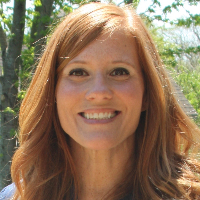
Jennifer Hoffman is a Licensed Clinical Social Worker with 19 years of experience based in Illinois. She has spent much of her career helping people who struggle with anger, trauma, ADHD, parenting concerns, and behavior challenges. She uses a down-to-earth, respectful approach that aims to give people practical tools they can use right away.
Her work focuses on understanding what is happening in daily life and finding clearer ways to respond.
Background and approach
Sessions are collaborative and centered on the person's goals. Jennifer adapts conversation and strategies to match each person's situation rather than using a one-size-fits-all plan. She draws from client-centered ideas that put the person’s perspective first.
Mindfulness techniques are used to help calm the body and notice the triggers that lead to strong emotions. Solution-focused methods help identify small, achievable changes that reduce conflict and boost confidence. Jennifer also brings trauma-focused practices into care when past events affect current behavior and relationships.
She pays attention to safety and pacing, and helps people build skills for coping with stress, grief, and life transitions. Her manner is warm and direct, with an emphasis on building useful habits. People who work with her can expect practical steps, short-term goal setting, and regular review of progress.
The aim is clearer thinking, fewer explosive moments, and better day-to-day management of emotions and relationships. She welcomes questions and takes time to explain each step of the process.
What Jennifer works with
Everything Jennifer lists, in the therapist's own terms. Anger is the reason this directory exists; the rest tells you what usually sits alongside it in Jennifer's practice.
- Family conflicts
- Trauma and abuse
- Parenting issues
- Self esteem
- ADHD
- Stress, Anxiety
- LGBT
- Relationship issues
- Grief
- Intimacy-related issues
- Eating disorders
- Anger management
- Career difficulties
- Bipolar disorder
- Depression
- Coping with life changes
- Compassion fatigue
- Adoption and foster care
- Aging and geriatric issues
- Autism and Asperger Syndrome
- Caregiver issues and stress
- Co-morbidity
- Communication problems
- Coping with natural or human-caused disaster
- Dependent personality
- Divorce and separation
- Domestic violence
- Eating and food-related issues
- Emptiness
- Family problems
- Fertility issues
- First responder issues
- Forgiveness
- Gender dysphoria
- Guilt and shame
- Hospice and end-of-life counseling
- Impulsivity
- Infidelity
- Intellectual disability
- Isolation / loneliness
- Jealousy
- Life purpose
- Postpartum depression
- Pregnancy and childbirth
- Seasonal Affective Disorder (SAD)
- Self-harm
- Self-love
- Sexual assault and abuse
- Workplace issues
- Young adult issues
Approaches Jennifer lists
Listing an approach is not evidence of training in it. This directory copies what each therapist names and does not check training records.
Approaches that translate to online care
Client-centered therapy focuses on listening to each person's experience and shaping sessions around their goals. In online sessions this means the therapist follows the client's lead, asks clear questions, and builds a plan from what matters most to the client.Mindfulness therapy teaches simple breathing and attention exercises to reduce reactivity. Online work can include guided breathing, body awareness checks, and short practices to use before or after stressful moments to lower the intensity of anger or anxiety.
Solution-focused therapy zeroes in on small, practical changes that make daily life easier. In remote sessions the therapist and client set concrete, short-term goals and track progress between meetings to keep momentum moving forward.
Choosing the right approach is part of the work together. The therapist will discuss needs, goals, and personal preferences and then recommend a mix of methods. This collaborative process helps tailor the plan to what the person finds most helpful.
Online formats offer flexibility for people with busy schedules or limited travel options. Video calls approximate an in-person conversation, phone sessions fit into shorter breaks or low-bandwidth situations, and live chat or text-based messaging allow for brief check-ins or ongoing support between appointments. These options make it easier to maintain steady progress while fitting therapy into everyday life.
Questions people ask about Jennifer
What kinds of concerns does she help with?
She helps with anger, trauma and abuse, parenting and family challenges, ADHD, stress, anxiety, depression, grief, relationship and intimacy-related issues, eating concerns, career and life changes, and compassion fatigue.
What is her therapeutic style like?
Her style is compassionate and caring, with a focus on practical tools. She centers sessions on the person's goals and adapts methods to fit individual needs.
How much clinical experience does she have?
She has 19 years of experience working in clinical social work, including substantial work with behavioral and anger-related concerns.
Where is she licensed and based?
She is a Licensed Clinical Social Worker, LCSW, licensed in Illinois and practices from that state.
Which languages can sessions be held in?
Sessions are offered in English.
What formats are available for sessions?
She offers video calls, phone sessions, live chat, and text-based messaging as session formats.
How does pricing work for sessions?
Cost varies with location and therapist availability; sessions use a subscription model that can be canceled at any time.
How do I begin working with her?
Start by selecting the Start Therapy button, complete a short matching questionnaire, and schedule according to therapist availability.