Works with
- Anger
- Stress, Anxiety
- Relationship issues
- Family conflicts
- Depression
- Coping with life changes
How Jennifer works
Practical facts
- Credentials
- LMHC
- Licensed in
- New York
- Years in practice
- 9
- Languages
- English
- Session format
- Online, through our partner platform
About Jennifer
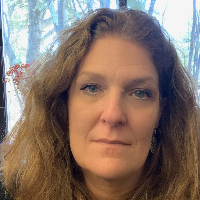
Jennifer Pias is a New York State Licensed Mental Health Counselor (LMHC) who aims to help people bring calmer, clearer thinking to stressful moments. She focuses on practical tools people can use right away. Her approach is warm and down-to-earth, with an emphasis on building trust and understanding at the start of work together.
She draws on several approaches to tailor sessions to each person's needs. Cognitive Behavioral Therapy helps identify thoughts and behaviors that keep problems going.
Background and approach
Dialectical Behavior Therapy adds skills for managing strong emotions and staying steady under pressure. Client-centered methods keep sessions grounded in empathy and the client’s own priorities. Jennifer has nine years of clinical experience and a master’s degree in mental health counseling from The Sage Colleges.
She has worked in hospital settings and with personal patients, which gives her familiarity with a range of concerns. This background supports work on issues like stress, anxiety, anger, and life transitions. In sessions she works to help people notice what’s working and then build on it.
That can mean learning breathing and grounding skills, practicing new ways of reacting, or setting small goals to shift daily patterns. She also helps with relationship questions, parenting stress, and problems like sleep or low self-esteem. People who come for help often want clear, usable steps and a supportive space to try them out.
Jennifer aims to be collaborative, offering straightforward options while listening for what matters most to each person.
What Jennifer works with
Everything Jennifer lists, in the therapist's own terms. Anger is the reason this directory exists; the rest tells you what usually sits alongside it in Jennifer's practice.
- Stress, Anxiety
- Relationship issues
- Family conflicts
- Depression
- Coping with life changes
- Addictions
- LGBT
- Trauma and abuse
- Grief
- Intimacy-related issues
- Sleeping disorders
- Parenting issues
- Anger management
- Self esteem
- Career difficulties
- Bipolar disorder
- Coaching
- ADHD
- Blended family issues
- Caregiver issues and stress
- Codependency
- Dissociation
- Divorce and separation
- Forgiveness
- Guilt and shame
- Impulsivity
- Isolation / loneliness
- Life purpose
- Men's issues
- Midlife crisis
- Mood disorders
- Obsessions, compulsions, and OCD
- Personality disorders
- Post-traumatic stress
- Self-love
- Women's issues
- Young adult issues
Approaches Jennifer lists
- Client-Centered Therapy
- Cognitive Behavioral Therapy (CBT)
- Dialectical Behavior Therapy (DBT)
- Mindfulness Therapy
- Solution-Focused Therapy
- Internal Family Systems
Listing an approach is not evidence of training in it. This directory copies what each therapist names and does not check training records.
How therapeutic approaches translate to online sessions
Client-centered therapy places the person’s experience at the center of sessions and focuses on listening, empathy, and the client’s goals. Online this means conversations that follow what matters most to the client and adapt to their pace and priorities.Cognitive Behavioral Therapy (CBT) is about identifying unhelpful thoughts and testing new behaviors. In remote sessions this often includes short between-session exercises, thought records, and step-by-step plans to change day-to-day habits.
Dialectical Behavior Therapy (DBT) brings skills for emotion regulation, distress tolerance, and better communication. These skills can be practiced in session and reinforced with brief coaching via text or chat when appropriate.
Choosing the right approach is a collaborative process. The therapist will talk with the client about goals, try a few methods, and adjust based on what is helpful. Clients are invited to give feedback so sessions stay practical and focused on real-life problems.
Online formats - video calls, phone, live chat, and text messaging - offer flexibility for different needs. Video lets people work face-to-face for skills practice, phone is useful when bandwidth is limited, chat or text can support quick check-ins or shorter coaching, and messaging allows for ongoing reflection between meetings. These options make it easier to fit therapy into a busy schedule and keep momentum between sessions.
Questions people ask about Jennifer
What kinds of concerns does she address?
She helps with stress, anxiety, anger, depression, relationship worries, grief, parenting strain, and related issues such as addiction and trauma.
How would you describe her therapy style?
Her style is warm and collaborative, combining empathy with practical skill-building from approaches like CBT and DBT.
What is her clinical background?
She holds a master’s degree in mental health counseling and has nine years of experience working in clinical settings and with personal patients.
Where is she licensed and located?
She is a New York Licensed Mental Health Counselor (LMHC) based in New York.
Which languages are sessions offered in?
Sessions are offered in English.
What session formats are available online?
Sessions can be scheduled as video calls, phone sessions, live chat, or text-based messaging.
How are fees handled?
Cost varies by location and therapist availability; sessions use a subscription model that can be canceled at any time.
How do I begin working with her?
Start by selecting the Start Therapy button, completing a short matching questionnaire, and then scheduling a session based on therapist availability.