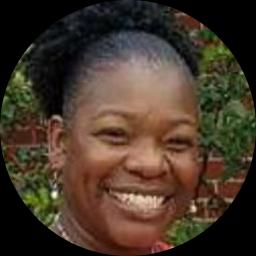
Dr. Jeronda Golston, LMHC
Compassionate, practical counseling for life stressors
Explore online therapy optionsWorks with
- Anger
- Stress, Anxiety
- Addictions
- Trauma and abuse
- Anger management
- Self esteem
How Jeronda works
Practical facts
- Credentials
- LMHC
- Licensed in
- Florida
- Years in practice
- 7
- Languages
- English
- Session format
- Online, through our partner platform
About Jeronda
Dr. Jeronda Golston is a licensed mental health counselor practicing in Florida. She holds the LMHC credential and brings seven years of clinical experience to sessions.
Her work often focuses on stress, anxiety, addiction concerns, trauma and abuse, and anger. Dr. Golston uses a respectful, compassionate style in sessions.
She listens first and adapts conversation and goals to what each person needs. She frames therapy as a partnership and helps people take practical steps toward change.
Background and approach
Her approach draws on several evidence-informed methods. Cognitive Behavioral Therapy helps people spot unhelpful thoughts and change behaviors. Acceptance and Commitment Therapy supports identifying values and committing to workable steps toward them.
Mindfulness practices are used to build awareness and reduce reactivity. People come to her for issues like low self-esteem, relationship struggles, depression, ADHD symptoms, and problems with impulsivity or addiction. She also addresses concerns tied to abandonment, infidelity, and post-traumatic stress.
Dr. Golston can support those navigating aging, hospice and end-of-life worries, and young adult transitions. Sessions are shaped around the person’s goals, with practical tools and simple exercises to try between meetings.
She emphasizes short-term strategies alongside longer-term growth. The tone in sessions is down-to-earth and goal-oriented to help people make steady progress.
What Jeronda works with
Everything Jeronda lists, in the therapist's own terms. Anger is the reason this directory exists; the rest tells you what usually sits alongside it in Jeronda's practice.
- Stress, Anxiety
- Addictions
- Trauma and abuse
- Anger management
- Self esteem
- Relationship issues
- Depression
- ADHD
- Abandonment
- Aging and geriatric issues
- Family problems
- Hospice and end-of-life counseling
- Impulsivity
- Infidelity
- Post-traumatic stress
- Self-love
- Sexual assault and abuse
- Young adult issues
Approaches Jeronda lists
- Acceptance and Commitment Therapy (ACT)
- Client-Centered Therapy
- Cognitive Behavioral Therapy (CBT)
- Mindfulness Therapy
- Motivational Interviewing
- Solution-Focused Therapy
- Trauma-Focused Therapy
Listing an approach is not evidence of training in it. This directory copies what each therapist names and does not check training records.
Approaches that translate well to online therapy
Acceptance and Commitment Therapy, or ACT, helps people clarify what matters most to them and take small, committed steps in that direction. It can be useful for anxiety, depression, and anger because it focuses on values-based action rather than just eliminating difficult feelings.Cognitive Behavioral Therapy, or CBT, breaks problems into thoughts, feelings, and behaviors and teaches practical skills to change unhelpful patterns. It is often used for stress, anxiety, depression, and addictive behavior because it gives concrete tools to practice between sessions.
Client-Centered Therapy emphasizes a supportive, nonjudgmental relationship where the person leads the pace and goals. That approach helps people build self-trust and work through sensitive issues like trauma, self-esteem, and relationship concerns.
Finding the right mix of approaches is a collaborative process. The therapist will talk with the client about goals, preferences, and what has or hasn’t worked before, then suggest a plan to try. Adjustments are made together as progress unfolds.
Online formats offer flexibility for busy lives. Video calls allow face-to-face work and guided exercises. Phone sessions can be easier if bandwidth or camera use is difficult. Live chat and text-based messaging are useful for quick check-ins, brief coaching, or when someone prefers not to speak in a session. These options make it easier to fit therapy into a routine and to keep momentum between meetings.
Questions people ask about Jeronda
What concerns does Dr. Golston help with?
She works with stress, anxiety, addictions, trauma and abuse, anger, self-esteem, relationship issues, depression, and ADHD among other concerns.
How would you describe her therapy style?
Her style is respectful and compassionate, with a focus on listening first and adapting sessions to each person's needs.
What background and experience does she have?
Dr. Golston has seven years of professional counseling experience and uses a practical, goal-oriented approach in sessions.
What are her credentials and where is she based?
She is a Licensed Mental Health Counselor (LMHC) licensed in Florida and practices from that state.
Which languages are supported for sessions?
Sessions are offered in English.
What session formats are available?
She offers video calls, phone sessions, live chat, and text-based messaging to suit different needs.
How do sessions cost and billing work?
Cost varies with location and therapist availability; sessions use a subscription that can be canceled at any time.
How do I begin working with her?
Start by selecting the Start Therapy button, complete a short matching questionnaire, and schedule sessions according to the therapist's availability.