Works with
- Anger
- Stress, Anxiety
- Family conflicts
- Trauma and abuse
- Anger management
- Depression
How Kathryn works
Practical facts
- Credentials
- LPC
- Licensed in
- Oklahoma
- Years in practice
- 28
- Languages
- English
- Session format
- Online, through our partner platform
About Kathryn
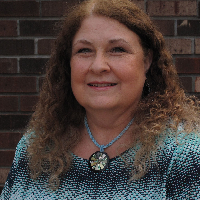
Kathryn Bishop is a Licensed Professional Counselor (LPC) in Oklahoma who helps people manage stress, anger, anxiety, and life changes. She works with individuals facing depression, trauma, addiction, parenting strain, and relationship concerns. Kathryn listens without judgment and focuses on practical steps people can use right away.
She brings 28 years of experience to sessions and adapts her style to each person. She commonly uses client-centered approaches to build trust and Cognitive Behavioral Therapy to spot unhelpful thoughts and behaviors.
Background and approach
Motivational Interviewing is included when someone needs help finding motivation to change. In a typical session she asks clear questions, reflects what she hears, and helps set doable goals. She emphasizes skills people can try between meetings, such as behavioral experiments or short cognitive exercises.
For parents she offers strategies to manage stress and improve routines around sleep and eating. Her background includes long-term work with people affected by trauma, including physical, verbal, and sexual abuse. She also supports those adjusting to job or relationship changes, and people coping with grief or chronic stress.
Kathryn combines practical tools with steady support. Sessions are aimed at helping people feel more in control and better able to handle daily demands. She encourages small steps and measures progress together so clients can see what’s changing.
Kathryn is ready to begin work when someone chooses to start therapy.
What Kathryn works with
Everything Kathryn lists, in the therapist's own terms. Anger is the reason this directory exists; the rest tells you what usually sits alongside it in Kathryn's practice.
- Stress, Anxiety
- Family conflicts
- Trauma and abuse
- Anger management
- Depression
- Addictions
- LGBT
- Relationship issues
- Grief
- Eating disorders
- Sleeping disorders
- Parenting issues
- Self esteem
- Career difficulties
- Bipolar disorder
- Coping with life changes
- Compassion fatigue
- ADHD
- Abandonment
- Adoption and foster care
- Antisocial personality
- Attachment issues
- Blended family issues
- Body image
- Caregiver issues and stress
- Codependency
- Commitment issues
- Communication problems
- Control issues
- Coping with natural or human-caused disaster
- Dependent personality
- Disruptive Mood Dysregulation Disorder (DMDD)
- Family problems
- Fatherhood issues
- Forgiveness
- Guilt and shame
- Impulsivity
- Isolation / loneliness
- Life purpose
- Midlife crisis
- Mood disorders
- Narcissism
- Panic disorder and panic attacks
- Paranoia
- Personality disorders
- Phobias
- Post-traumatic stress
- Self-harm
- Self-love
- Sexual assault and abuse
- Social anxiety and phobia
- Women's issues
- Young adult issues
Approaches Kathryn lists
- Client-Centered Therapy
- Cognitive Behavioral Therapy (CBT)
- Existential Therapy
- Motivational Interviewing
- Narrative Therapy
Listing an approach is not evidence of training in it. This directory copies what each therapist names and does not check training records.
Therapeutic approaches and online care
Client-centered therapy focuses on listening and understanding each person’s experience, so conversation starts where the client feels most comfortable and moves at their pace. This approach helps people who need a supportive space to sort through feelings and make decisions.Cognitive Behavioral Therapy, or CBT, looks at the link between thoughts, feelings, and actions. It teaches simple exercises to test unhelpful thoughts and try new behaviors, which can help with anxiety, depression, anger, and sleep or eating concerns.
Motivational Interviewing is a brief, collaborative style that helps people find their own reasons to change. It can be useful when someone feels stuck or is unsure about taking next steps for addiction, routine changes, or health behaviors.
Choosing the right approach is part of the work. Kathryn will talk with each person about goals, preferences, and what feels useful. Together they decide which methods to try and adjust the plan as progress is made.
Online sessions can fit a busy life. Video calls let therapists see facial cues and hold a longer session. Phone sessions work well when bandwidth is limited or for a quick check-in. Live chat and text messaging make it possible to get shorter support between meetings or to communicate when typing feels easier. These options aim to make therapy more flexible and easier to keep up with on a regular basis.
Questions people ask about Kathryn
What kinds of concerns does Kathryn help with?
She helps people dealing with stress, anxiety, anger, depression, addictions, trauma and abuse, and many life changes such as job or relationship transitions.
What is her general therapy style?
Her style is adaptable and non-judgmental, often focusing on client-centered work and using practical techniques from cognitive behavioral therapy and motivational interviewing.
How much experience does she have?
Kathryn has 28 years of clinical experience working with a wide range of concerns and long-term trauma histories.
Where is Kathryn licensed and based?
She is a Licensed Professional Counselor (LPC) in Oklahoma and practices from that state.
Which languages are sessions offered in?
Sessions are offered in English.
What session formats are available?
She meets with people via video calls, phone sessions, live chat, and text-based messaging.
How are sessions paid for and what does it cost?
Costs vary with location and therapist availability; sessions use a subscription that can be canceled at any time.
How do I begin therapy with Kathryn?
Start by selecting the Start Therapy button, completing a short matching questionnaire, and scheduling a session according to therapist availability.