Works with
- Anger
- Stress, Anxiety
- Family conflicts
- Trauma and abuse
- Anger management
- Depression
How Kelly works
Practical facts
- Credentials
- LCSW
- Licensed in
- Nevada
- Years in practice
- 30
- Languages
- English
- Session format
- Online, through our partner platform
About Kelly
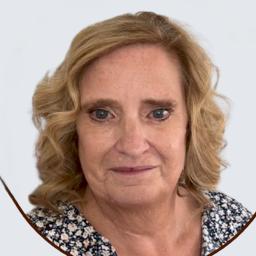
Kelly Wooldridge is a Licensed Clinical Social Worker with 30 years of professional experience. She offers calm, straightforward support for people facing anger, stress, anxiety, depression, trauma, and family concerns. Kelly writes treatment plans to fit each person's situation and speaks plainly about next steps.
Her approach blends practical skills with attention to relationships and life history. She draws on cognitive behavioral strategies to change unhelpful thinking and behavior. She uses acceptance and commitment ideas to help people clarify values and take manageable action toward them.
Background and approach
Attachment-based work guides conversations about how early relationships shape current reactions. Kelly also incorporates elements of dialectical behavior therapy to teach emotional regulation and distress-tolerance skills. The Gottman Method informs her work when communication and relationship patterns are central concerns.
Kelly has helped people cope with issues such as abandonment, adoption and foster care concerns, attachment difficulties, blended family stress, and family-of-origin problems. She also supports individuals facing substance use concerns, control and commitment issues, body image struggles, and the emotional impact of divorce and separation. Sessions are offered in English and provided from Nevada.
Kelly uses active listening, clear feedback, and step-by-step skill practice so people can use what they learn outside of sessions. She aims for practical shifts that fit into busy lives and lead to steadier mood and clearer relationships.
What Kelly works with
Everything Kelly lists, in the therapist's own terms. Anger is the reason this directory exists; the rest tells you what usually sits alongside it in Kelly's practice.
- Stress, Anxiety
- Family conflicts
- Trauma and abuse
- Anger management
- Depression
- Abandonment
- Adoption and foster care
- Attachment issues
- Avoidant personality
- Blended family issues
- Body image
- Commitment issues
- Communication problems
- Control issues
- Disruptive Mood Dysregulation Disorder (DMDD)
- Divorce and separation
- Drug and alcohol addiction
- Emptiness
- Family of origin issues
- Family problems
- First responder issues
- Forgiveness
- Guilt and shame
- Impulsivity
- Infidelity
- Isolation / loneliness
- Jealousy
- Midlife crisis
- Mood disorders
- Panic disorder and panic attacks
- Post-traumatic stress
- Self-harm
- Self-love
- Sexual assault and abuse
- Social anxiety and phobia
- Women's issues
- Workplace issues
- Young adult issues
Approaches Kelly lists
- Acceptance and Commitment Therapy (ACT)
- Attachment-Based Therapy
- Cognitive Behavioral Therapy (CBT)
- Dialectical Behavior Therapy (DBT)
- Gottman Method
- Mindfulness Therapy
- Motivational Interviewing
- Solution-Focused Therapy
- Somatic Therapy
- Trauma-Focused Therapy
- Internal Family Systems
- Systemic Therapy
Listing an approach is not evidence of training in it. This directory copies what each therapist names and does not check training records.
Using evidence-based approaches in online care
Acceptance and Commitment Therapy helps people notice difficult thoughts and feelings without getting stuck in them, then choose actions that match their values. It is useful for anxiety, depression, and problems with motivation. Cognitive Behavioral Therapy focuses on identifying unhelpful thought patterns and testing new behaviors to change mood and reactions; it is often used for anxiety, anger, and depressive symptoms.Finding the right approach is a collaborative process. The therapist will work with each person to pick or combine methods that match their goals and life situation. Together they will evaluate what works and adjust the plan as needs change.
Online therapy is offered by video calls, phone sessions, live chat, or text-based messaging to give flexibility. Video calls are good for more in-depth conversations, phone sessions can fit a break at work or require less bandwidth, and messaging or live chat can work for short check-ins or practicing skills between appointments. These options make it easier to keep therapy consistent despite busy schedules, travel, or other time constraints.
Questions people ask about Kelly
What kinds of problems does Kelly help with?
She supports people with anger, stress, anxiety, depression, trauma and a range of family-related concerns. Additional focus areas include attachment issues, adoption and foster care, substance use concerns, and communication problems.
What is her therapeutic style like?
Kelly uses a practical, skills-focused style that blends talk and practice. Sessions include teaching coping tools, trying new behaviors, and reviewing what worked between appointments.
How much experience does she have?
She has 30 years of professional work experience. That background includes helping people manage mood, trauma, and family stress.
What credentials and region are listed for Kelly?
She is a Licensed Clinical Social Worker, LCSW, licensed in Nevada. Her practice information lists Nevada as the state of practice.
Are sessions offered in other languages or internationally?
Sessions are offered in English. International clients are not currently accepted.
Which session formats are available?
She offers video calls, phone sessions, live chat, and text-based messaging. These options let people pick what fits their schedule and comfort level.
How are fees and billing handled?
Costs vary with location and therapist availability and use a subscription model. Subscriptions can be canceled at any time.
How do I begin working with her?
Start by selecting the Start Therapy button and completing a short matching questionnaire. Then schedule sessions according to the therapist's availability.