Works with
- Anger
- Stress, Anxiety
- Addictions
- LGBT
- Relationship issues
- Depression
How Kiya works
- Not listed
Practical facts
- Credentials
- LCPC
- Licensed in
- Illinois
- Years in practice
- 41
- Languages
- English
- Session format
- Online, through our partner platform
About Kiya
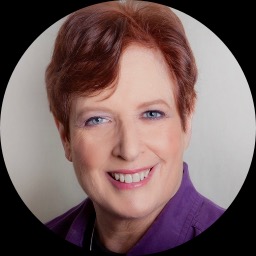
Dr. Kiya Immergluck helps people who are dealing with stress, anxiety, addiction, relationship strain, and anger. She works with concerns including depression, grieving, trauma, self-esteem, and career questions.
She also supports people facing life changes and compassion fatigue. Dr. Immergluck brings calm and practical focus to sessions and treats every person with respect and sensitivity.
Dr. Immergluck holds an Illinois Licensed Clinical Professional Counselor credential, LCPC, and has worked in counseling for 41 years.
Background and approach
She adapts conversations and plans to fit each person's situation rather than using a one-size-fits-all method. Sessions are collaborative and goal-focused, with attention to what will make daily life feel more manageable. Her approach emphasizes straightforward problem solving and emotional understanding.
She listens for what makes a problem feel stuck and then helps people try small, practical changes. Over time those changes can ease anger, improve relationships, or reduce anxiety and stress. She has experience with a wide range of concerns, including ADHD, bipolar mood concerns, parenting strain, and issues tied to intimacy and sexuality such as kink and BDSM culture.
She also supports people with family of origin issues, addiction recovery, and cancer-related stress. People can expect a respectful, nonjudgmental space to talk through what matters. Dr.
Immergluck aims to empower each person to find clearer steps forward and to build coping skills that fit their life.
What Kiya works with
Everything Kiya lists, in the therapist's own terms. Anger is the reason this directory exists; the rest tells you what usually sits alongside it in Kiya's practice.
- Stress, Anxiety
- Addictions
- LGBT
- Relationship issues
- Depression
- Family conflicts
- Trauma and abuse
- Grief
- Intimacy-related issues
- Parenting issues
- Anger management
- Self esteem
- Career difficulties
- Bipolar disorder
- Coping with life changes
- Coaching
- Compassion fatigue
- ADHD
- Aging and geriatric issues
- BDSM, kink, and alternative sex culture
- Blended family issues
- Cancer
- Codependency
- Commitment issues
- Divorce and separation
- Drug and alcohol addiction
- Family of origin issues
- Family problems
- Forgiveness
- Infidelity
- Isolation / loneliness
- Jealousy
- Life purpose
- Midlife crisis
- Multicultural concerns
- Personality disorders
- Polyamory / non-monogamous relationships
- Process addiction (porn, exercise, gambling)
- Self-love
- Sex addiction
- Sexuality
- Women's issues
How evidence-based methods translate to online care
Dr. Immergluck draws on evidence-based therapeutic techniques that focus on clear, active steps people can use in daily life. One common approach she uses helps people notice unhelpful thought and behavior patterns, then practice small changes to reduce anxiety and anger and improve mood. Another approach centers on skills training for self-regulation - teaching breathing, grounding, and behavioral steps to manage intense feelings and cravings.Choosing the right approach is a collaborative process. She will work with each person to identify goals, try approaches that fit their needs, and adjust the plan over time. The focus is on what works in real life and on building tools a person can use between sessions.
Online formats include video calls, phone sessions, live chat, and text-based messaging, which provide flexibility for different schedules and needs. Video lets people read facial cues and mimic an in-person meeting, phone sessions use less bandwidth and can be easier when on the go, live chat is helpful for quick check-ins, and messaging allows shorter updates or reflection outside sessions. These options make it simpler to fit therapy into a busy life while keeping the work goal-oriented and practical.
Questions people ask about Kiya
What kinds of problems does she help with?
She supports people with stress, anxiety, addictions, anger, depression, trauma, grief, and relationship concerns among other issues.
How would you describe her therapeutic style?
She uses a practical, collaborative style that focuses on listening, identifying stuck patterns, and trying concrete changes that fit daily life.
How much clinical experience does she have?
She has 41 years of professional work experience in counseling and related clinical roles.
What credentials and location are listed?
She holds an Illinois LCPC credential and practices out of Illinois.
Are sessions offered in other languages or internationally?
Sessions are offered in English and she accepts international clients.
What session formats are available online?
She provides video calls, phone sessions, live chat, and text-based messaging for remote work.
How is cost handled for sessions?
Cost varies with location and therapist availability, and sessions use a subscription that can be canceled at any time.
What are the first steps to begin working together?
Click the Start Therapy button, complete a short matching questionnaire, and schedule a session based on therapist availability.